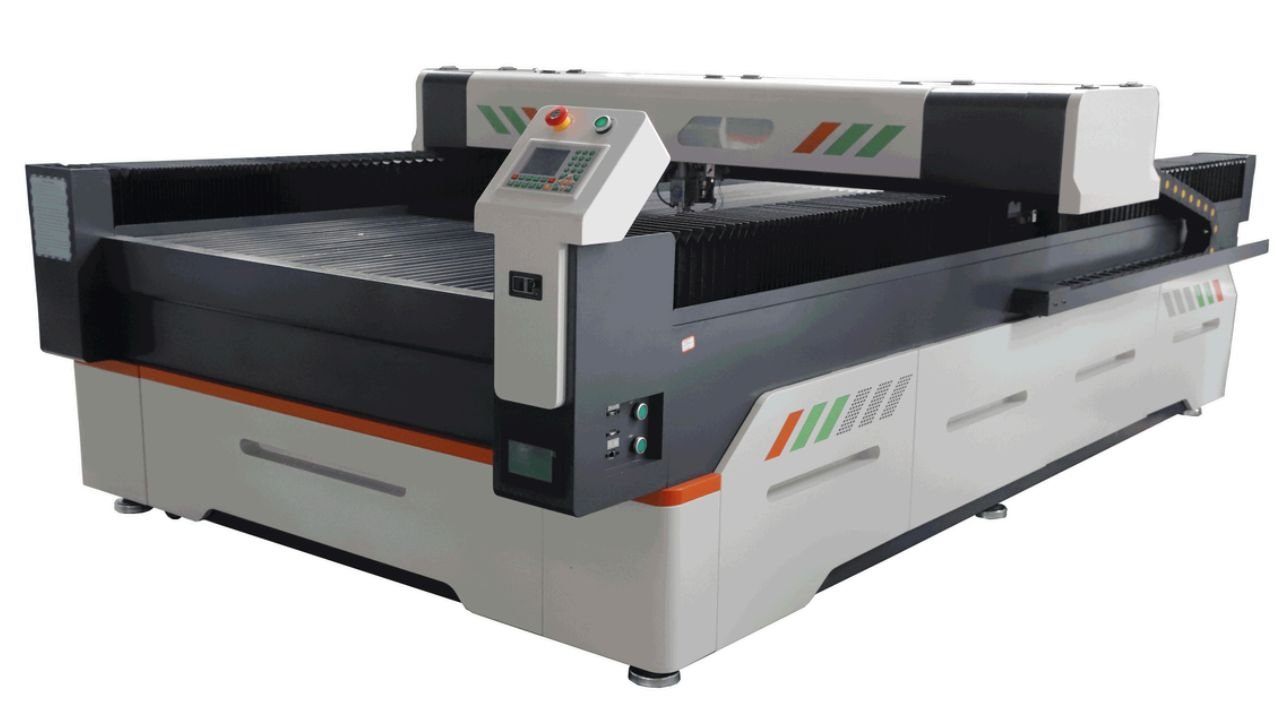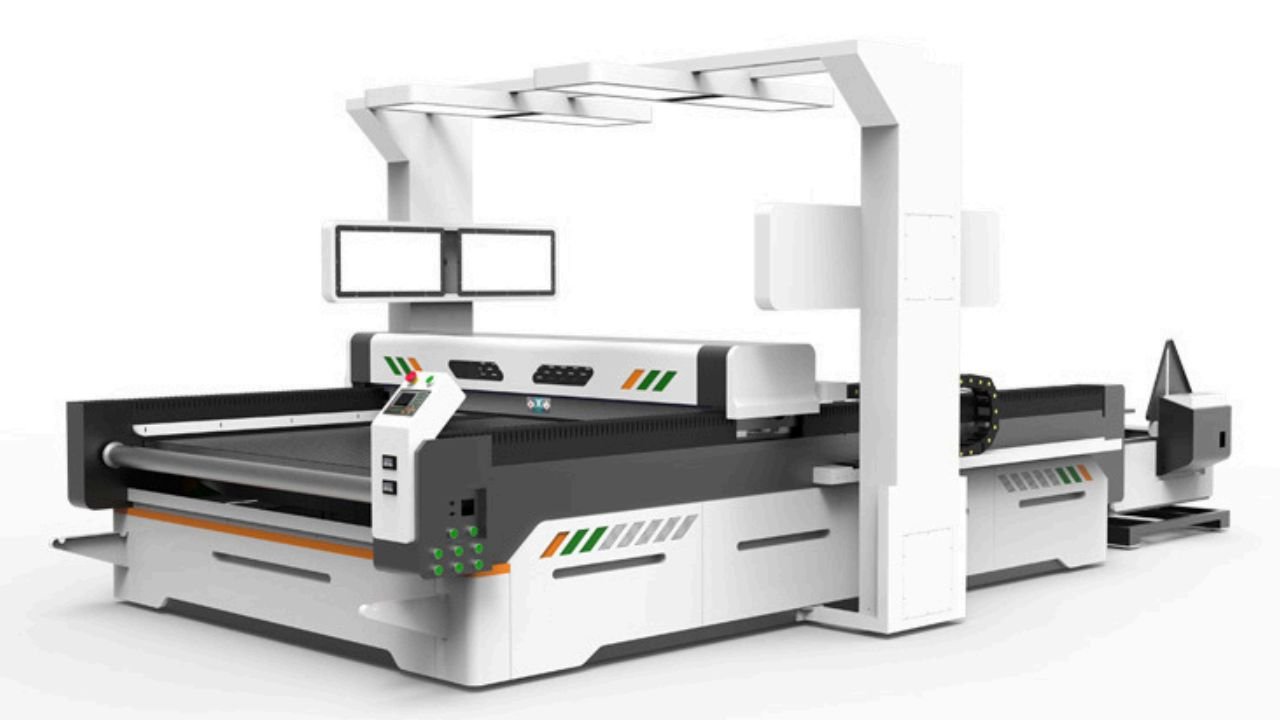
All of the packaging factories, printing factories, or advertising production companies may have encountered such a problem: Die-Cutting Machine or Digital Cutter? Which should I choose? Today, we will give you some useful suggestions.
What Is the Difference Between Die Cutting and Digital Cutter
Die-cutting and digital cutter are both processes used to shape materials into specific forms. However, the methods of implementation are completely different.
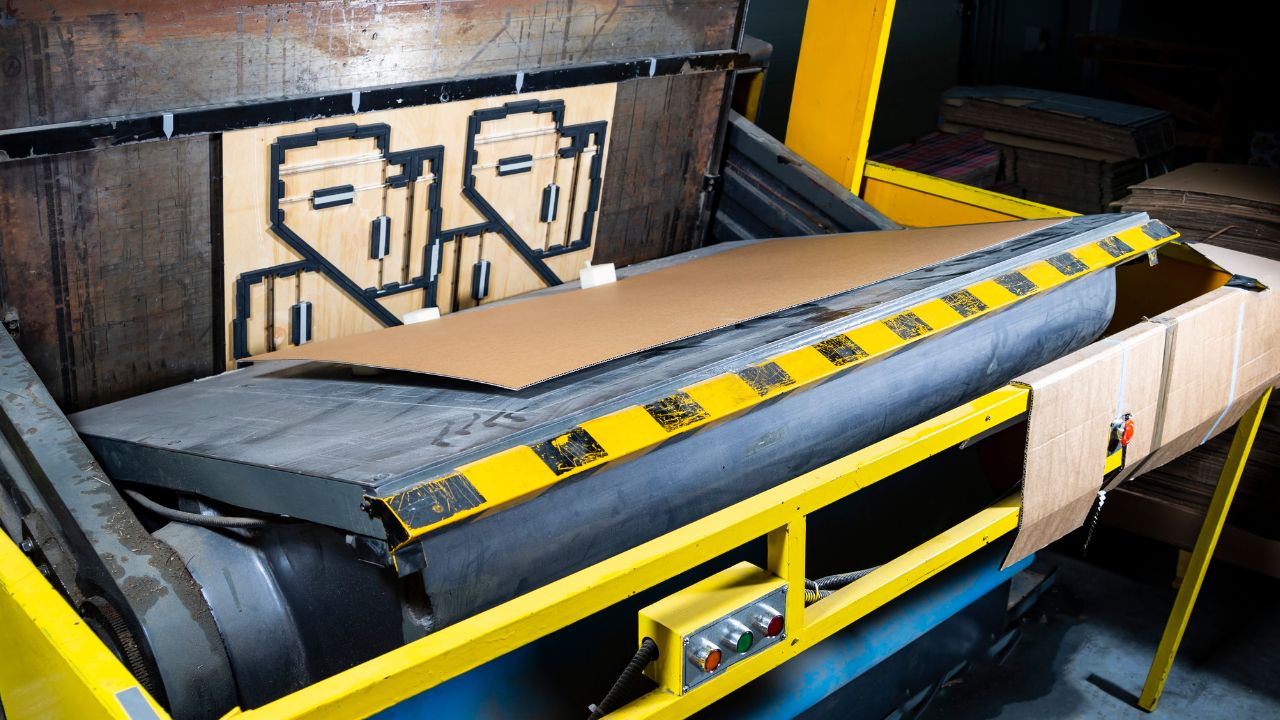
Die-Cutting Machine
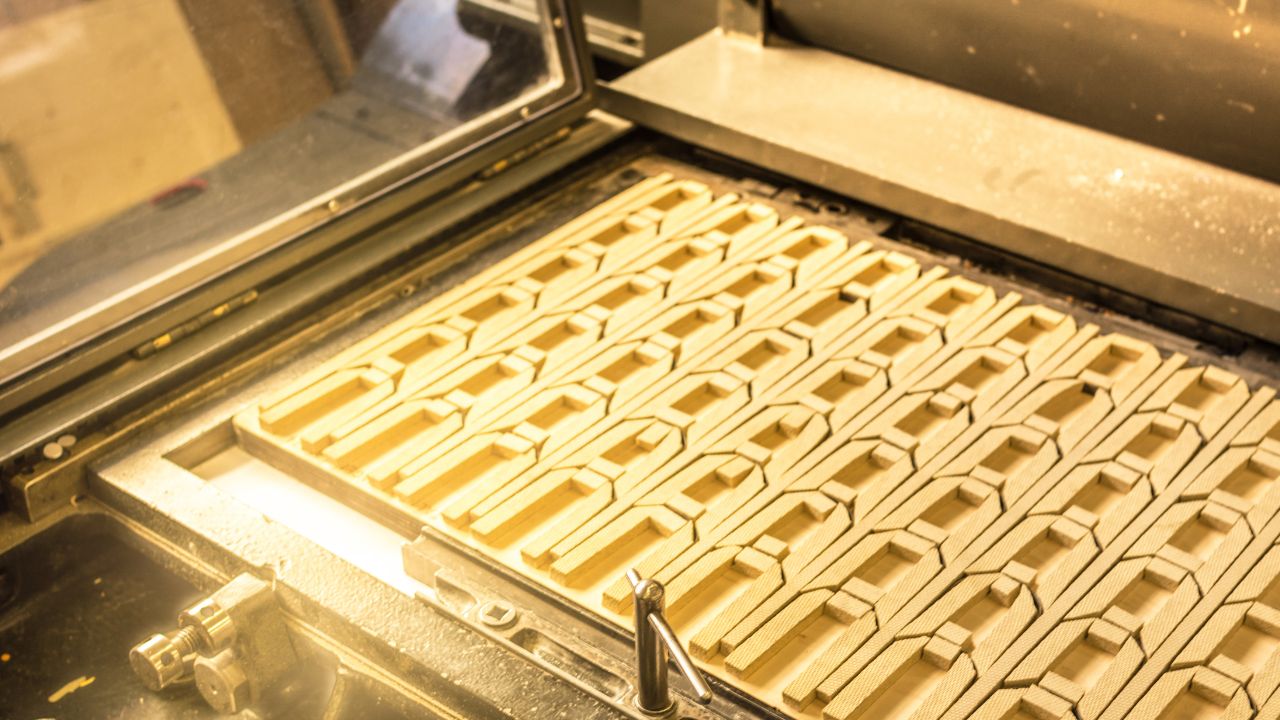
The principle of die-cutting is to use pre-made metal die molds for cutting. The user first makes a set of steel die molds based on the design drawing, then installs them on the die-cutting machine. The machine applies pressure to push the die mold against the material, and cuts out the specified shape in one go.
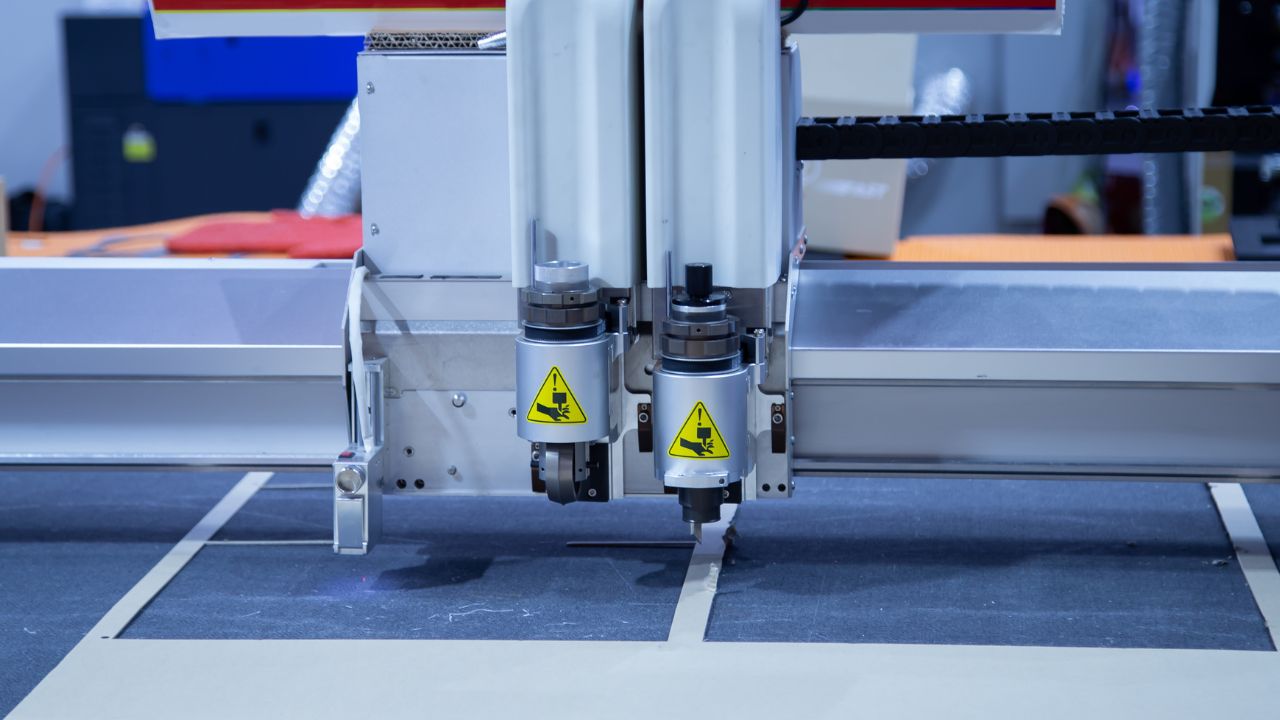
Digital Cutter
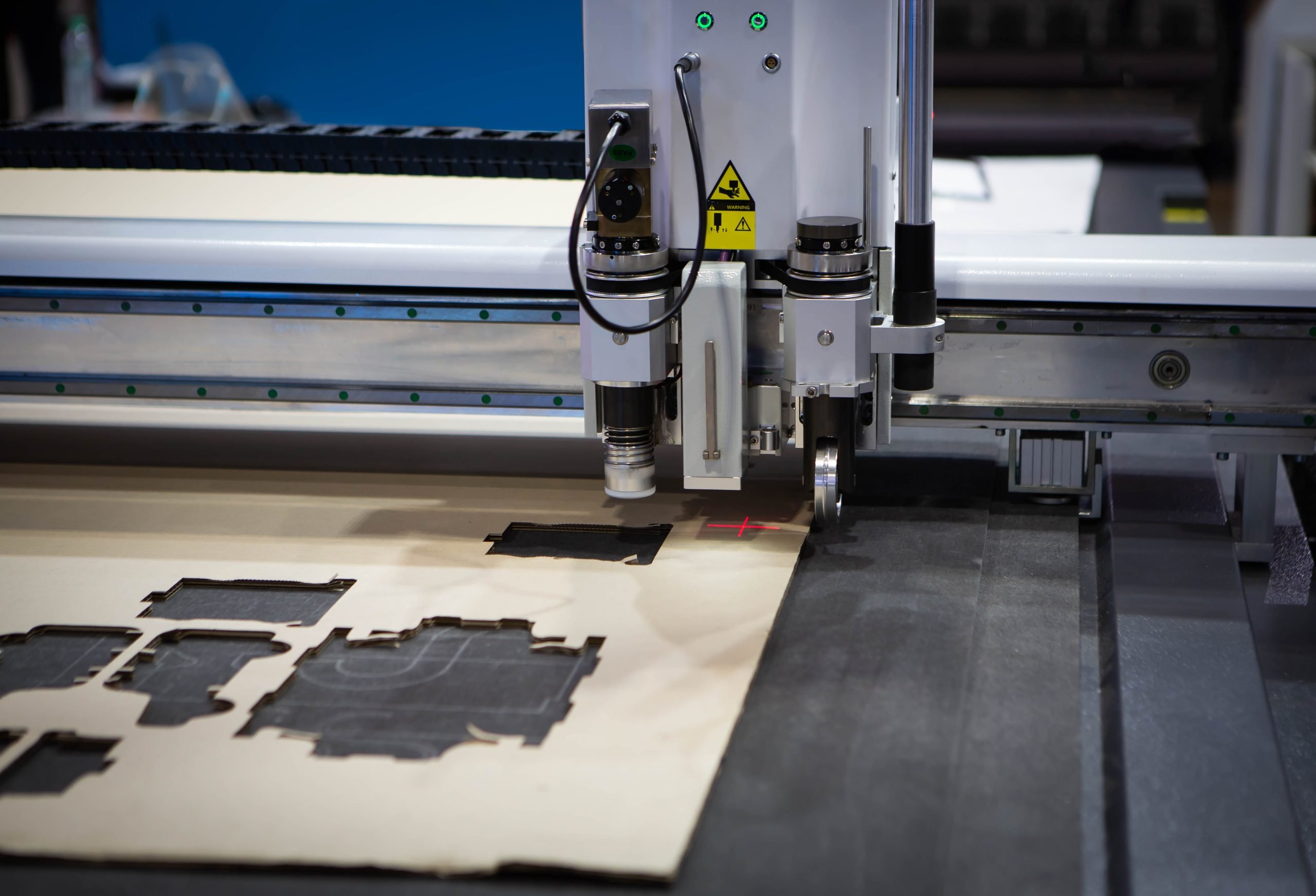
Digital cutter does not require a die. Users import the design file into the equipment, and the computer controls the cutter head to cut along the preset path. Changing products is also very simple; just change the file. There are many types of cutter heads for digital cutter, such as drag cutters, oscillating cutters, and cutting line cutters, which can adapt to different materials and cutting requirements.
| Factor | Die-Cutting Machine | Digital Cutter |
| Tooling Requirement | Custom Die Required | No Die Required |
| Upfront Investment | Higher | Lower |
| Best for Production Volume | Large Runs | Short Runs & Prototyping |
| Cost per Unit | Lower at Scale | Higher for Large Volumes |
| Design Modification | New Die Needed | Instant File Updates |
| Design Complexity | Moderate | Excellent for Intricate Designs |
| Material Versatility | Best for Paper and Cardboard | Handles a Wider Range of Materials |
| Thick Material Capability | Limited | Strong |
| Production Speed | Very Fast for Repetitive Jobs | Slower but More Flexible |
| Ideal Application | Mass Production | Customization and On-Demand Production |
- The core logic of die-cutting is: Every product shares the cost of the die. The larger the order volume, the lower the unit cost. The die plates can be reused again and again. They are suitable for long-term, large-scale, and fixed-design goods.
- The core logic of digital cutting is: you almost do not need to prepare. For example, you don’t need to wait for the production of the die, nor do you need to prepare different dies for different designs.
The main difference: die-cutting focuses on speed, while digital cutting has more flexibility.
When a Die-Cutting Machine Makes More Sense
You should not think that die-cutting is outdated. In fact, it remains the most cost-effective cutting method in the process of mass production.
If you encounter the following situations during production, die-cutting should be your first choice.
Producing the Same Product All Year Round
Your order, product structure, and design are fixed. For example, standard-sized color boxes, labels, cards, and paper hanging cards. Although the die needs time to prepare, it is a one-time investment and can be reused subsequently. The larger the order volume, the more negligible the die cost will be.
Once the order volume reaches a certain scale, the single-piece cost of die cutting is much lower than that of digital cutting.
High Requirements for Production Efficiency
The production speed of die-cutting machines is much higher than that of digital cutters. The flat-press-flat die-cutting machine can cut 3,000 to 8,000 sheets per hour. The round-press-round die-cutting machine can cut more than 10,000 to 15,000 sheets per hour. You should know that digital cutters cut one sheet at a time, so the speed is far behind.
The Material You Are Processing Now Is Thin
Die-cutting is most suitable for paper, cardstock, label materials, and film materials, as these materials have a uniform texture and moderate thickness. Die-cutting machine can fully utilize its advantages in high-speed punching.
Need an Extremely Low Unit Cost
Under the condition of sufficient order volume, the single-piece cost of die-cutting is the lowest.
Typical application scenarios of die-cutting:
- Color box packaging, corrugated cardboard box
- Labels and stickers
- Cards (business cards, greeting cards, tags)
- Paper display stands, brochures
When a Digital Cutter Is the Better Choice
The value of digital cutting is most evident in the following scenarios.
Orders Are Mainly in Small Quantities and with a Variety of Products
This is the most common application scenario of digital cutting. For instance, your customer orders 500 packaging boxes at a time, and they are not of the same style. You may need to handle dozens of different designs simultaneously. In this case, the cost of the die-cutting tool cannot be ignored.
The cost of creating a new mold for each order is extremely high. However, digital cutting does not require die-cutting tools. You can switch between different designs simply by changing a file.
Often Need to Make Samples
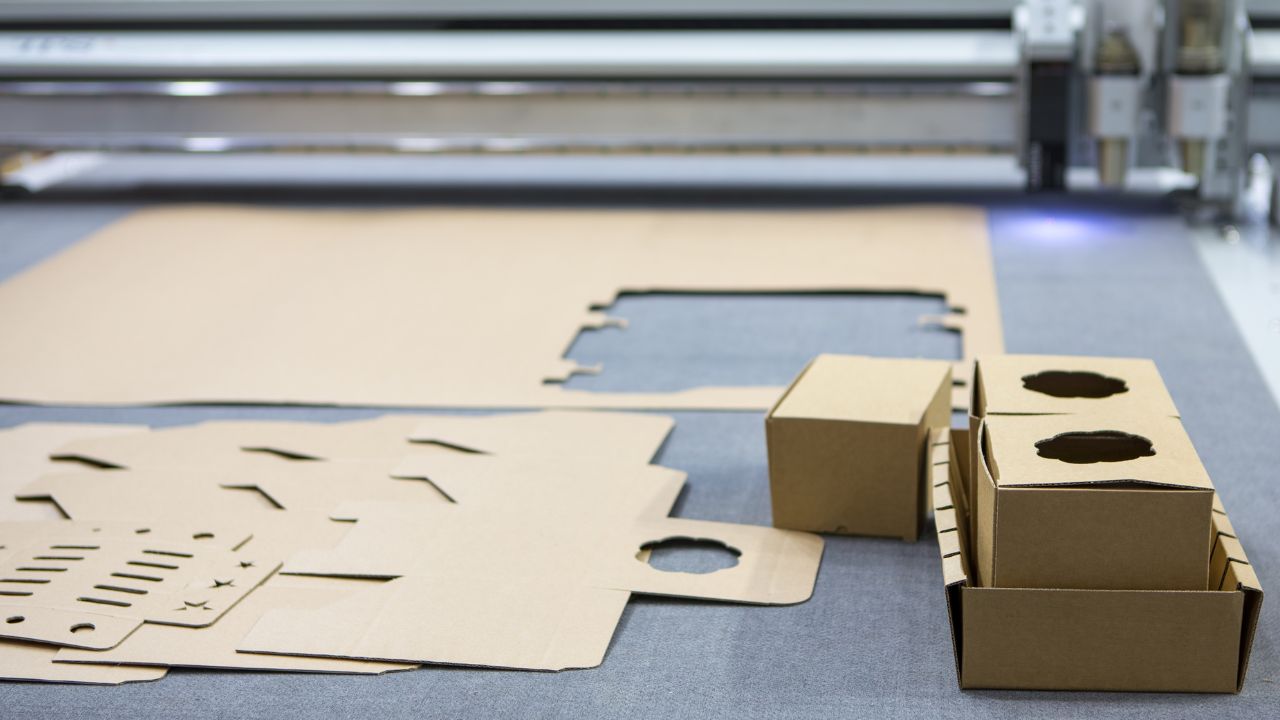
Sample confirmation is required in these conditions: Packaging design, display stand design, and special structure design. The design can be modified at any time during the proofing stage. You need to re-cut the die for each modification if using die-cutting, which is impractical. With digital cutting, samples can be directly cut according to the design files. And this also accommodates frequent design revisions.
Process Thick Materials or Special Materials
Digital cutter can handle materials that are difficult to be die-cut: corrugated cardboard, Foam Board, PVC board, leather, EVA foam, sponge, honeycomb board, and carbon fiber composite materials. Some equipment can also process materials with a thickness of over 50mm.
While die-cutting works by applying pressure, it is ineffective for thick or soft materials. Digital cutter, on the other hand, utilizes the movement of the cutting head and has a wider application range.
The Client Frequently Modifies the Design
Some customers repeatedly revise their orders before confirmation. And some customers have different designs for each order they place. At this point, the advantages of digital cutting become evident.
Processing Complex Shapes and Irregular Structures
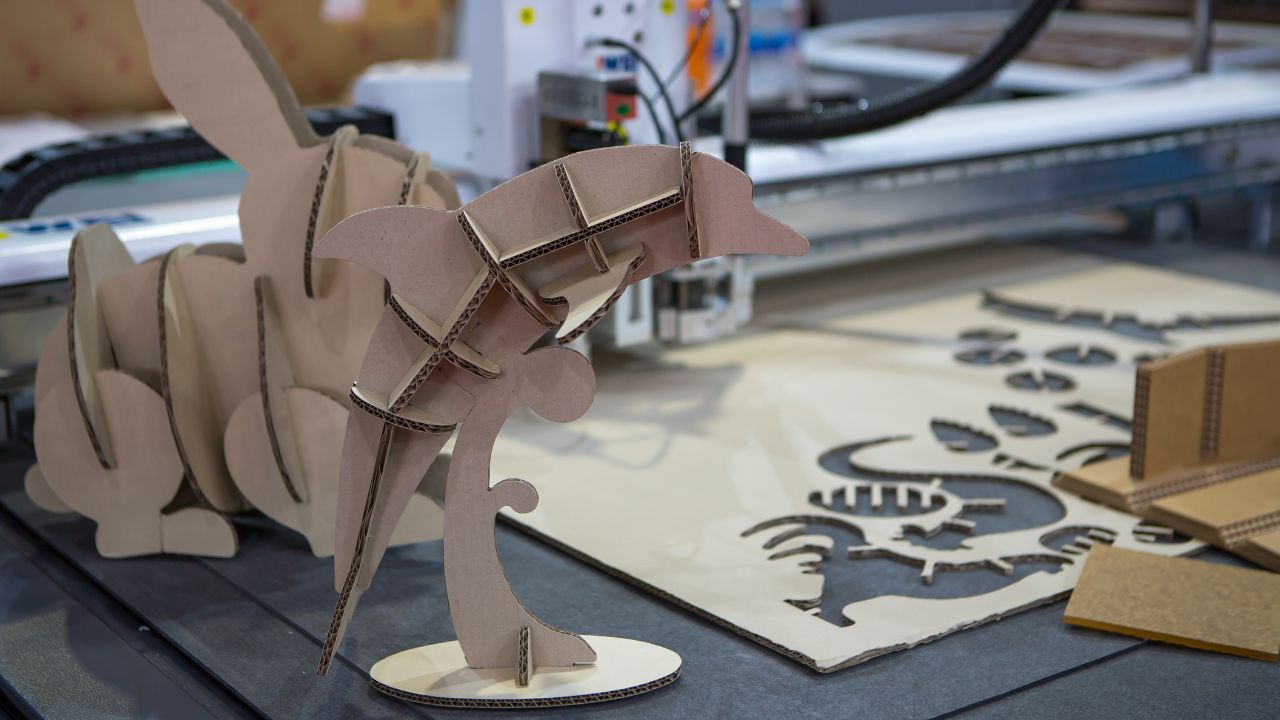
The production of die-cutting molds has certain technical limitations. If the graphics are too complex or the details are too small, the die-cutting molds may not be able to be made. With digital cutting, as long as the computer can draw it, the cutter head can cut it out.
Typical application scenarios of digital cutting:
- Packaging samples and prototypes
- Small-batch customized packaging
- POP/POS display stand
- Billboards and exhibition boards
- Processing of thick materials and special materials
What to Consider Before Buying
Before purchasing, remember to consider the following factors.
The Structure of Your Order
Calculate the composition of orders for the past year: What proportion are large quantities? What proportion are small quantities with multiple varieties? How many are for prototyping? If most are large quantities, die-cutting is more suitable. For more small quantities and customized orders, choose laser cutting.
If both, it is necessary to consider equipping both types of equipment, or you can choose a more compatible solution.
You Process What Materials
Arrange all the materials you need to process, as well as those planned to be processed in the future. If only paper and cardstock, die-cutting and digital cutting are acceptable. If thick materials, soft materials, or composite materials, digital cutting is suitable.
Total Cost of Ownership for Equipment
The purchase price is only a part of the cost. The total cost of die-cutting includes: equipment purchase price, tool mold manufacturing cost (continuous expenditure), equipment maintenance cost, and labor cost.
The total cost of digital cutting includes: equipment purchase price, tool head consumable cost, equipment maintenance cost, software licensing fee, and labor cost. Don’t just look at the equipment purchase price. Calculate the cost and price that are averaged out for the finished products.
After-Sales Support and Training Services
This factor is easily overlooked. If there is a problem with the equipment, how long will it take for the supplier to respond? How long will it take for the operators to receive training? How long will the equipment installation and commissioning take? Make sure to ask about these relevant questions regarding after-sales support before making a purchase.
The Versatility and Scalability of the Equipment
The business requirements you received today do not represent tomorrow’s needs. A die-cutting machine that can only cut paper cannot help you process corrugated cardboard. A digital cutter without automatic functions cannot adapt to the trend of automated production.
When purchasing, you must consider whether the equipment can process more materials, be compatible with more software, be equipped with an automatic feeding system, and be upgradeable.
Market Reputation
Don’t just rely on the promotional materials. Search for some reviews on the Internet, and you can arrange an on-site inspection.
Common Mistakes When Purchasing
Here are six common mistakes when purchasing.
Just Consider the Purchase Price, Not the Long-Term Costs
Purchasing the cheapest equipment does not necessarily mean the lowest cost overall. The price of die-cutting machine equipment may not be low, but if your order volume is large enough, the unit cost is extremely low.
The price of digital cutter equipment may be lower, but the costs of the cutting heads and software licensing fees are ongoing. Calculating the total cost is a necessary step before making an accurate judgment.
Overestimating the Quantity of One’s Orders
The cost of the die-cutting process can only be reduced on the condition of a large order volume. If you start receiving orders but the annual order volume is uncertain, it is recommended to first conduct verification through digital cutting or outsourcing for die-cutting to test the market.
Underestimating the Actual Speed of Digital Cutting
Digital cutter is a piece-by-piece cutting process, and its speed is indeed slower than die cutting. However, it also eliminates the time required for die production and replacement. For small batch orders, the total delivery time of digital cutting may be shorter than that of die cutting. Don’t just focus on how many sheets can be cut per hour; you also need to consider the total time from receiving the order to delivery.
Ignoring the Compatibility Between Software and Processes
A digital cutter cannot be used immediately after being powered on. You need to ask yourself a few questions: Will the designer use CorelDRAW or Illustrator to create the cutting files? Can your current production process be compatible with this system? If the software doesn’t work and the process doesn’t match, the equipment will not be usable even after being purchased.
No Time Was Set Aside for Material Testing
Different brands and batches of materials may have different cutting effects. Before purchasing the equipment, ask the factory to use your materials to have a cutting test. Make sure that your commonly used materials can be properly processed before placing an order.
The Future Development of Packaging Production
The printing and packaging industry is undergoing a significant change now: smaller orders, greater variety, increasing demand for personalization, and shorter delivery cycles.
The advantages of traditional die-cutting still exist. For large quantities of standardized and repetitive goods, die-cutting is still the most cost-effective option. Every year, billions of color boxes, corrugated cartons, and labels are made by die-cutting machines.
However, there is a fact that the proportion of orders in small quantities, customized orders, and orders that need to be delivered quickly is rising. Brands are disposed to make purchases in batches, in multiple versions, and in small quantities. This change has led to a picture of digital cutting.
Digital cutter equipment is evolving towards automation and intelligence:
- The automatic feeding system enables long-term continuous production.
- Automatically identify and locate the marking, without the need for manual calibration.
- The QR code triggers the file and automatically switches the cutting task
- Compatible with packaging CAD software, seamlessly integrating into the design process
- Some high-end equipment has already enabled unmanned production.
Some Suggestions That Give You
- Don’t think that traditional die-cutting will be completely phased out. Digital cutter is not a replacement for die-cutting; rather, it is a complement to the die-cutting technology. The two devices cater to different needs.
- You can also assess the changes in your customer structure. If the proportion of small-batch orders is increasing, investing in digital cutting may bring you more competitiveness in the future.
- The most possible market in the future might be the combination of “digital cutting” and “die-cutting”. Digital cutter can be used for sample production, small-batch orders, and customized orders, while die-cutting is responsible for large-scale mass production. Only companies that can flexibly utilize both can follow the market step.
FAQ
The Small Factory Has a Limited Budget. Should They Purchase a Die-Cutting Machine or a Digital Cutter First?
It is recommended to consider purchasing a digital cutter first. This option has a lower initial investment and does not require consideration of the cost of the die. During the initial stage, you can handle small batches, customized orders, and proofing orders, which is more flexible.
Once the company grows and the order volume steadily increases, you can then purchase additional die-cutting machines based on actual needs.
How Many Types of Materials Can a Digital Cutter Handle?
This is decided by the model of the equipment and the configuration of the cutter head. The basic model is mainly used to process paper, cardboard, and corrugated cardboard. The high-end models can process foam boards, PVC boards, leather, EVA foam, sponge, carbon fiber composite materials, etc. Some equipment can process thick materials more than 50mm.
How Long Is the Service Life of a Die-Cutting Machine and a Digital Cutter?
The mechanical structure of the die-cutting machine is relatively simple, and with proper maintenance, its service life can reach 15 to 20 years. The service life of the digital cutter is also affected by the compatibility of the software and the update of the operating system.
These are hidden factors that need to be considered when purchasing digital equipment. Its electronic components and software systems update relatively quickly, and their typical service life is 8 to 12 years.
There Are More and More Small-Batch Orders. Should I Directly Purchase a Digital Cutter?
If the proportion of small-batch orders exceeds 30%, and you find you need to prototype frequently and deliver quickly, you can buy. However, if your company is still occupied by large-scale orders, we recommend first configuring a basic model digital cutter for prototyping and small orders, while reversing the die-cutting machine for mass production. Using both together will bring you a higher return.
What Is the Floor Space Required for Digital Cutters and Die-Cutting Machines? What Kind of Site Conditions Are Needed?
Die-cutting machines usually have a large size. For flatbed flattening type flat cutting machines, including the paper feeding and collection system, the occupied area can reach approximately 10 to 20 square meters; disc flattening type disc cutting machines are even larger.
Digital cutter machines have a relatively compact structure, and the standard models generally occupy about 5 to 10 square meters of space. Both of these devices require a flat, solid ground, stable power supply, and good ventilation conditions.
Note: When the cutting machine is running, it will generate significant vibration and noise, so there are higher requirements for the load-bearing capacity and sound insulation performance of the site.
What Is the Approximate Cost of the Die-Cutting Tool Mold?
The cost of a small flat die is approximately $200 – $500. A medium-sized color box die’s cost is about $500 – $1,500. Large or complex structure dies’s price can reach $2,000. The dies can be reused many times.
How Often Should the Cutting Head Consumables of the Digital Cutter Be Replaced?
This depends on the usage frequency and the material needed to be cut. If you cut paper and cardboard, the blade head can last longer. But if thick materials or composite materials, it wears out more quickly.
Generally, the lifespan of each blade head ranges from several hundred to several thousand linear meters, which depends on the hardness and cutting parameters. Remember to confirm the frequency of blade head replacement and the cost per replacement when purchasing.
What Are the Requirements for the Environmental Temperature and Humidity for These Two Devices?
The die-cutting machine is not sensitive to temperature and humidity and can operate normally in a normal temperature environment. The digital cutter has higher requirements for the environment. The equipment’s accuracy and stability may be affected by excessively high temperatures or excessive humidity.
The precise optical positioning system may deviate in harsh environments. If your workshop does not have a constant temperature and humidity condition, it is best to comprehensively assess and consider it before deciding whether to purchase.
Final Thoughts
Die-cutting and digital cutting are two different processes, and there is no absolute good or bad. It depends on your specific production requirements. Regarding the selection of machines and any other questions, you can contact us at any time. We are happy to answer your inquiries.