
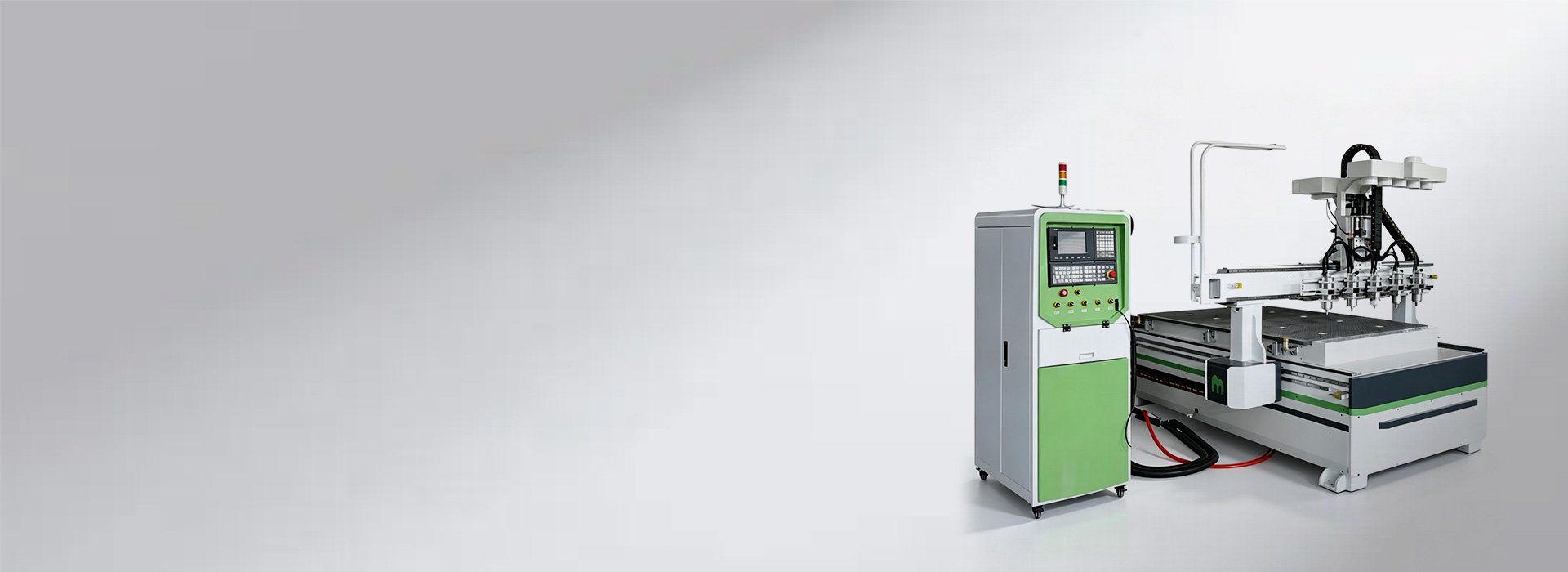
Your Reliable 3-Axis CNC Router Supplier In China
The 3-axis CNC router works by controlling the cutting tool along the X, Y, and Z axes to precisely carve, cut, and engrave materials according to a programmed design.
MC’s 3-axis CNC routers can achieve high-precision machining of sheet materials through accurate positioning. This effectively ensures the consistent quality of your products. In addition, they support high-speed continuous operation, helping you strengthen order delivery capability. What’s more, our CNC routers can process various complex patterns to meet your diverse production requirements.
As an experienced 3-Axis CNC Router Supplier, we have been continuously upgrading our equipment. Meanwhile, we have also obtained ISO certification and multiple patents. This fully demonstrates our capability to provide high-quality 3-axis CNC routers. If you need a customized solution or quotation, please feel free to contact us!
Types of 3-Axis CNC Routers
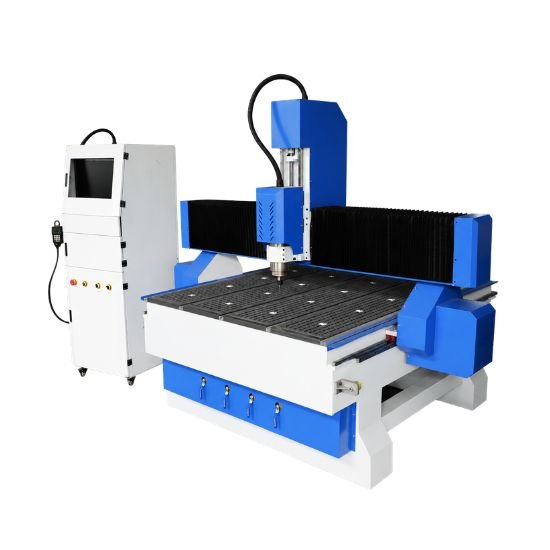
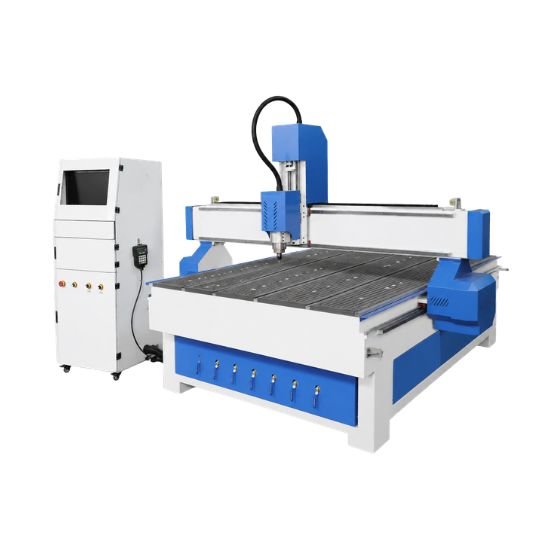
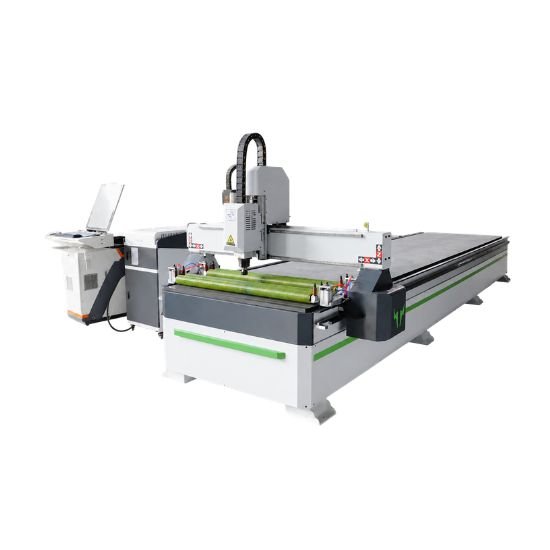
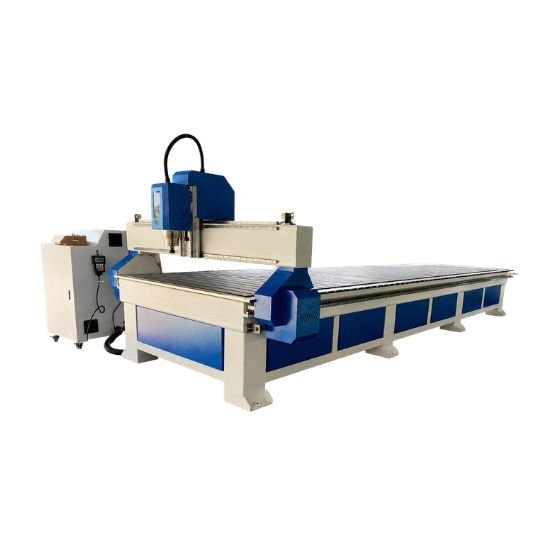
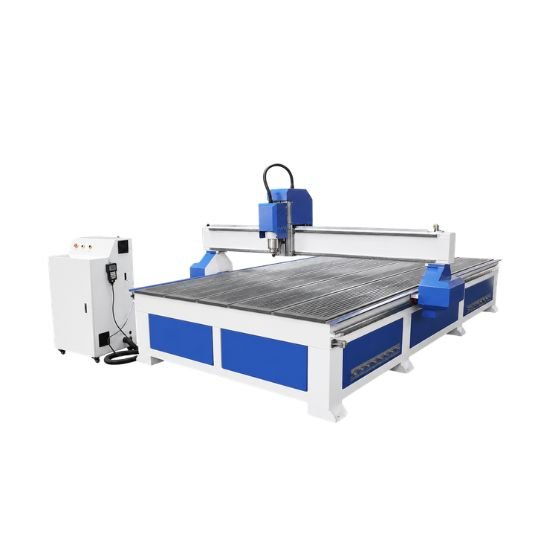
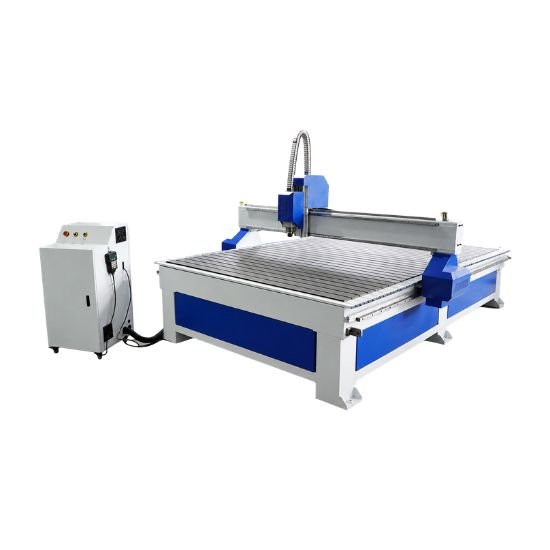
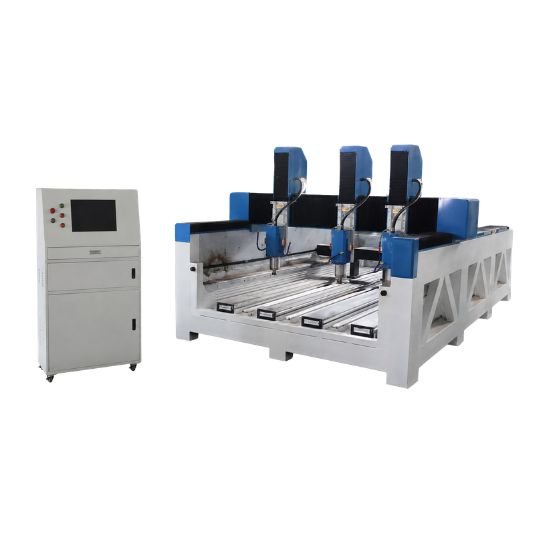
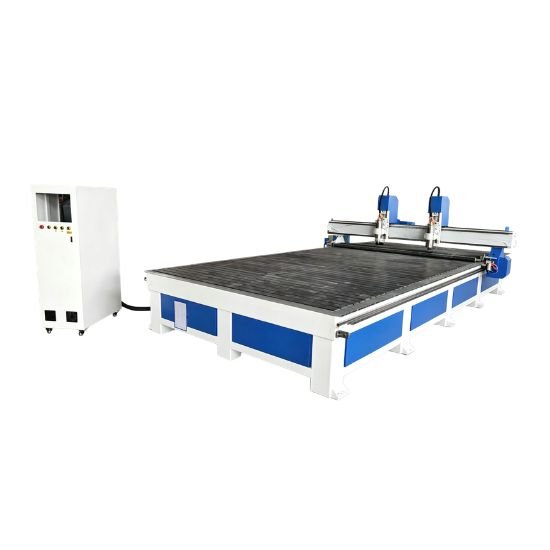
MC 3-Axis CNC Router’s Features

The CNC router delivers high-precision cutting and engraving, ensuring every finished part meets strict dimensional accuracy requirements.

With a high-speed motion system, the machine significantly shortens machining time and improves overall production efficiency.

Optimized cutting paths and stable motion control ensure smooth, burr-free edges, reducing the need for secondary finishing.

Multiple working table sizes are available, allowing flexible processing of both small parts and large panels on a single machine.

The machine can process a wide range of materials, including wood, MDF, acrylic, PVC, and soft metals such as aluminum.

Different configurations and working setups can be customized to meet specific production requirements across various industries.

A user-friendly control system and stable mechanical structure make daily operation simple and maintenance more convenient.

Durable components and stable performance help reduce your long-term replacement frequency and overall operating costs.
Seamless CAD/CAM Software Integration
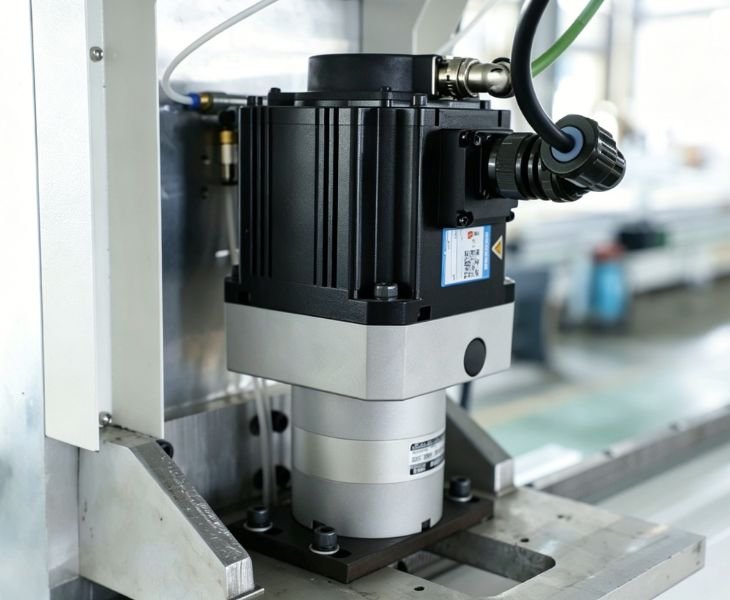
MC 3-axis CNC routers can seamlessly integrate with mainstream CAD/CAM software, enabling an integrated workflow from design, toolpath planning to actual machining. You no longer need complicated file conversion or additional data processing. This effectively ensures the continuity and stability of your production line.
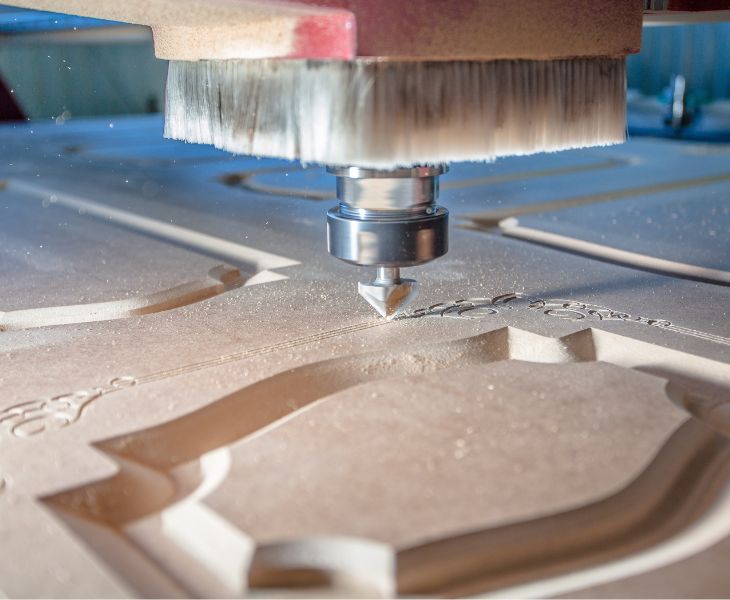
Supports Complex 2D and 2.5D Machining
Our CNC routers support complex 2D and 2.5D machining. Whether you require flat cutting, slotting, text and pattern engraving, or layered relief and depth milling, the machine can handle it with ease. This not only allows you to take on a wider range of custom orders but also helps reduce your overall equipment procurement costs.
Fast Production with Consistent High Quality
Our CNC control system enables high-speed machining, which significantly shortens order lead times and helps you better handle bulk and rush orders. Meanwhile, CNC automation minimizes manual intervention, ensuring consistent accuracy and quality for every single product. This provides a reliable guarantee for standardized and large-scale production.
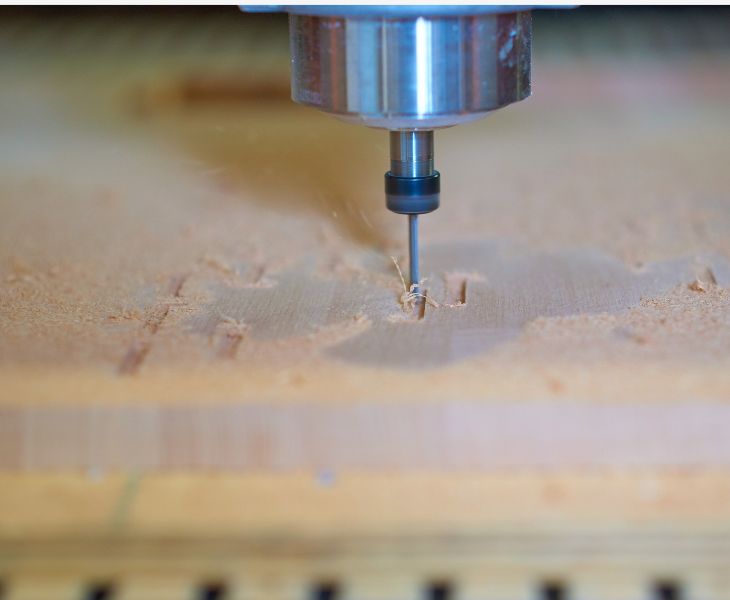
Applications of 3-Axis CNC Routers
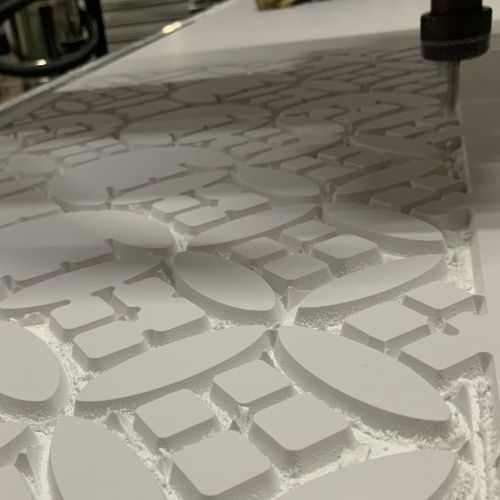
3-axis CNC routers can carve various intricate patterns. This feature perfectly matches the advertising industry’s demand for diverse styles and high visual appeal. Whether it’s small logos, large-format light boxes, or display boards, it can deliver excellent results.
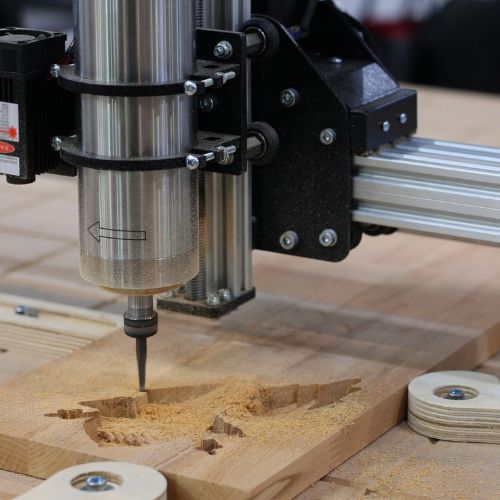
Furniture manufacturing involves multiple processing steps. The CNC routers can handle the full core processing for various furniture panels, including cutting, grooving, drilling, carving, and hollowing. This greatly improves your efficiency in batch furniture production.
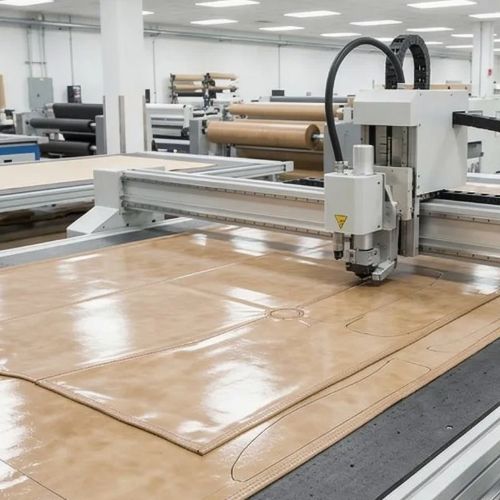
Automotive interior components are precision-fit parts. CNC routers can achieve highly accurate positioning and perform precise machining on components such as plastic interior trims and rubber pads. This ensures interior parts are more uniform and better fitted.
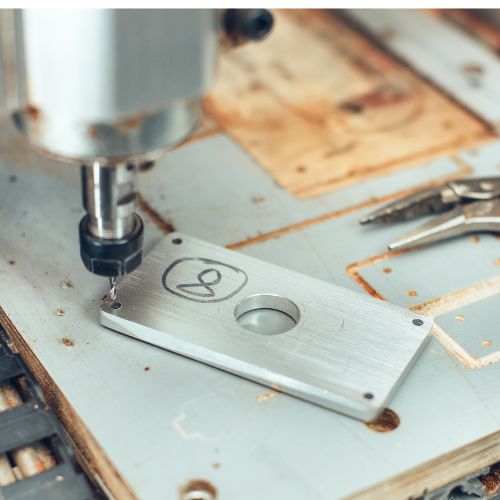
Equipped with high-precision linear guides and a stable transmission system, the 3-axis CNC router runs smoothly with highly accurate positioning. This can ensure the dimensions of your products are precise, meeting the strict standards of the aerospace industry.
- Specification
| Item | Specification |
| Working Area | 9060 / 1212 / 1325 / 1350 / 1550 / 2030 / 2040 / 2550 (Optional) |
| Drive System | X, Y, Z axis rack & pinion transmission |
| Guide Rail System | High-precision linear guide rails |
| Motor System | Stepper motor / Servo motor (Optional) |
| Control System | DSP / NC Studio / Syntec (Optional) |
| Spindle Power | 3.0 kW / 4.5 kW / 6.0 kW / 9.0 kW (Optional) |
| Spindle Speed | 0–24,000 RPM |
| Positioning Accuracy | ±0.05 – ±0.1 mm |
| Supported File Format | G-code / DXF / HPGL |
Usually, a 3-axis CNC router can handle simple 3D carving (2.5D relief and shallow 3D shapes) very well, such as logos, patterns, molds, and decorative surfaces. However, it cannot process complex full 3D machining with undercuts or multi-angle surfaces, as the tool only moves along X, Y, and Z axes. So, if you need advanced 3D parts, a 4-axis or 5-axis CNC machine would be more suitable.
- Ball Screw System: High precision, smooth movement, commonly used for small to medium working areas.
- Rack and Pinion System: Faster movement speed, lower cost, better for large-format machines and long travel distances.
As a result, if you focus more on accuracy, please consider a ball screw system. But once you need large-format production and higher efficiency, choosing a rack and pinion system may be a better option for you.
Yes. Most CNC router spare parts are standardized and globally available, including spindle motors, drivers, controllers, rails, and tools. This means easier local sourcing and lower long-term maintenance. So it’s wise for you to cooperate with a reliable 3-axis CNC router supplier that offers long-term spare parts support.
Yes. Most routers are equipped with safety devices like an emergency stop button, protective covers, a dust collection system, and software safety limits. Besides, safety is also linked to operator training and proper machine setup. You can ask the supplier to offer you installation and training services.
Specifically, the entry-level router is about $1,800 – $5,000, the mid-range industrial router is $5,000 – $12,000, and the high-end / ATC model is $12,000– $25,000+. You need to consider the required worktable size, spindle power, and whether an automatic tool changer system is equipped. All these factors will affect the price of your CNC routers.
Yes. As a professional 3-axis CNC router supplier, we can provide OEM/ODM services. You can choose the suitable working size, spindle power, control system, and other configurations based on your specific requirements. After that, we will customize the CNC router to make it easier to integrate into your production line.
3-Axis CNC Router vs 4-Axis CNC Router
3-axis CNC routers and 4-axis CNC routers are two typical types of CNC engraving machines classified by the number of axes. The comparison table below can help you better understand the differences between them.
- Choose a 3-axis CNC router if you mainly process flat materials, standard products, and want a more cost-effective solution.
- Choose a 4-axis CNC router if you need cylindrical machining, complex 3D carving, or multi-angle processing.
| Aspect | 3-Axis CNC Router | 4-Axis CNC Router |
| Axis Configuration | X, Y, Z axes | X, Y, Z plus rotary A axis |
| Machining Scope | Flat cutting & 2.5D carving | Multi-angle & complex 3D processing |
| Cylindrical Machining | Not supported | Fully compatible |
| Production Flexibility | Suitable for flat materials | Better for curved and irregular parts |
| Processing Efficiency | Good for standard production | Higher efficiency for complex machining |
| Operation Level | Easy to master | Requires professional experience |
| Cost Budget | Lower investment | Higher procurement cost |
| Ideal Usage | Furniture, signage, and cabinet making | Sculpture, mold, and customized parts |
How to Choose the Right 3-Axis CNC Router?
Processing Materials
Different materials have different performance demands for a CNC router. For materials such as wood, acrylic, and PVC, a standard 3-axis CNC router is usually sufficient. However, if you need to process harder materials such as aluminum, the machine will require a higher-power spindle and a more stable machine structure.
Working Area Size
The working area of the 3-axis CNC router should match your product size and raw material specifications. Choosing the right working area size not only better fits the actual production needs, but also allows you to complete machining in a single operation, which thus improves material utilization.
Production Volume
For small workshops or start-up businesses, a cost-effective standard 3-axis CNC router is usually the most practical choice. For large-scale manufacturers, however, the machine with faster cutting speeds and continuous production capabilities is the optimal solution to maximize efficiency.
Required Machining Precision
Machining precision is especially important for products with detailed patterns or strict dimensional requirements. A high-quality 3-axis CNC router can deliver smoother cutting edges, more accurate machining dimensions, and more consistent engraving depth. These advantages can make your products more refined and unique, thereby making you stand out in market competitiveness.
Automation Level
If needed, you should consider a CNC router with a higher level of automation. The type of machine has various automation features, including automatic tool changing systems, vacuum tables, and automatic loading and unloading systems. These functions can significantly reduce manual operation and achieve continuous, high-precision production.
Overall Cost
When choosing a CNC router, you should consider not only the machine price but also the overall operating costs. These include maintenance costs, energy consumption, wear part replacement, and future upgrade options. Only by finding the right balance between performance and cost can you maximize your ROI.
After-Sales Support
Reliable after-sales support is essential for stable long-term production. You should check whether the supplier can provide installation guidance, operator training, spare parts supply, and fast response services. A professional support system helps you minimize downtime and maintain consistent machine performance.