
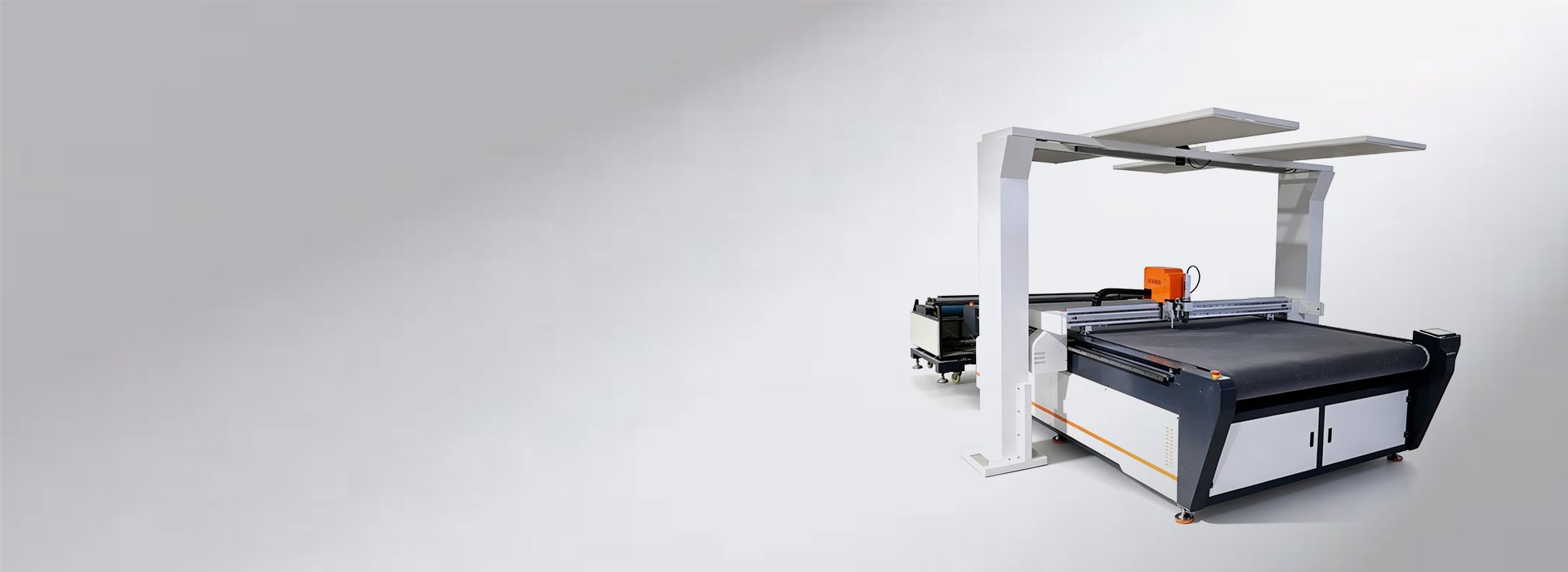
Your Reliable Textile Cutting Machine Supplier in China
The MC textile cutting machines generate cutting paths through CAD/CAM software, and then drive the cutting head to automatically run according to the preset path by the control system, achieving high-speed and high-precision cutting of materials like textiles and leather, and realizing automated processing.
In addition, our textile cutting machine supports multi-layer cutting and can use CNC or laser cutting technology to effectively improve cutting efficiency, reduce material waste, and enhance processing accuracy.
As a reliable textile cutting machine manufacturer, MC has abundant industry experience, innovative R&D experience, and OEM services. Every textile cutting machine from us undergoes strict quality inspection, which can provide your business with a safe and highly efficient cutting process.
Textile Cutting Machine Classified by Function Type
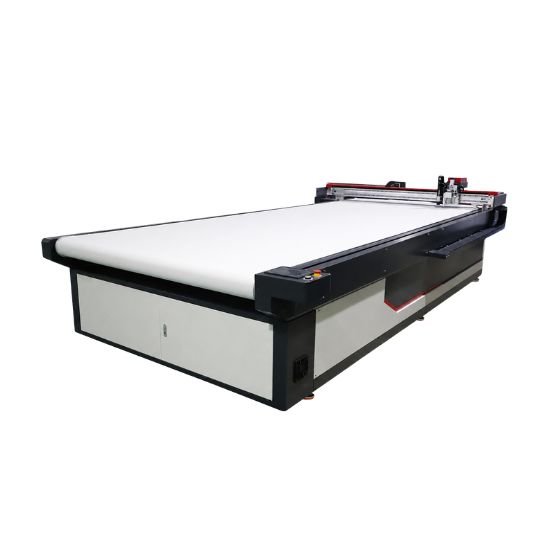
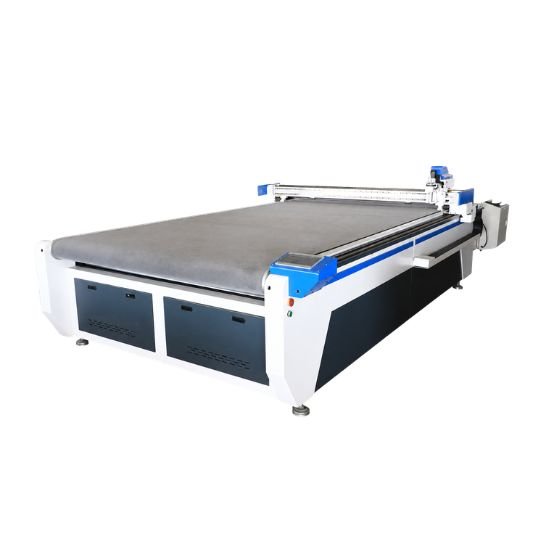
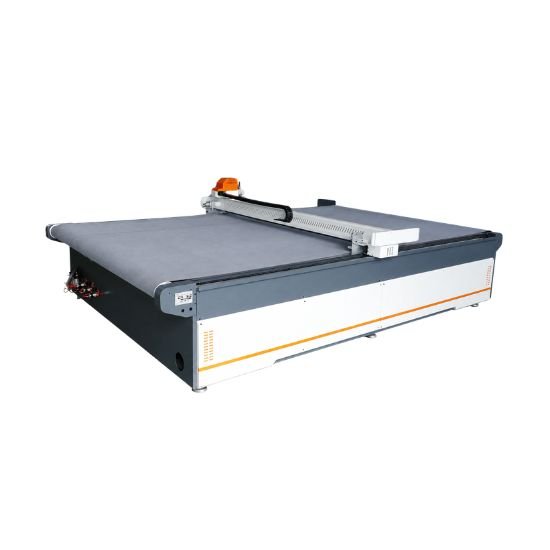
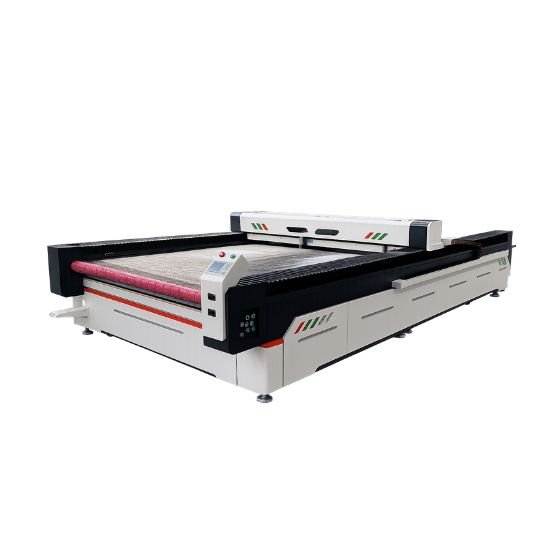
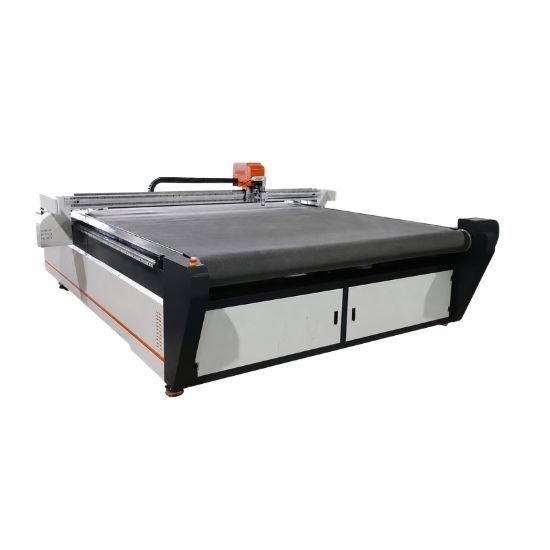
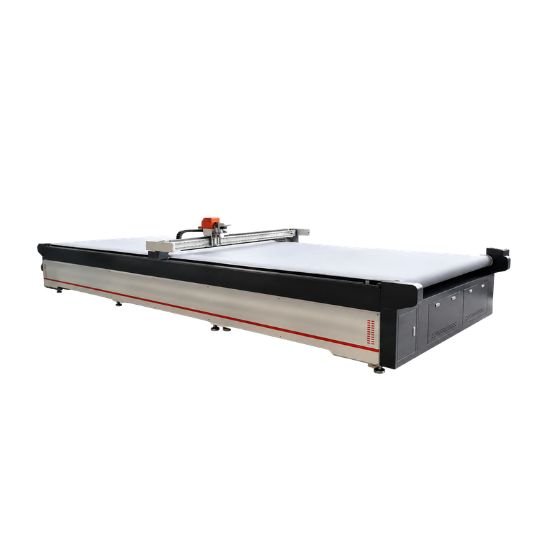
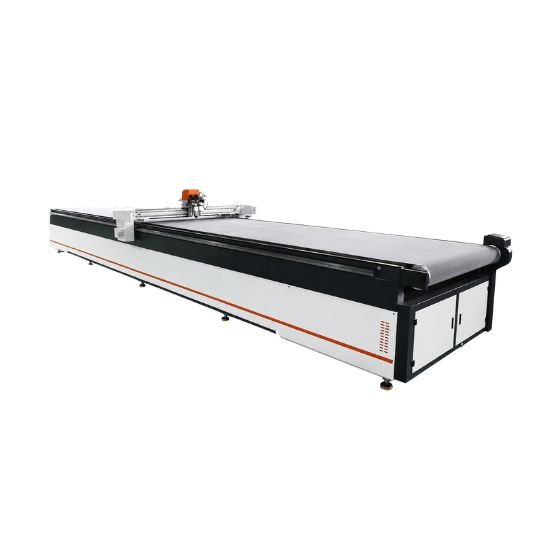
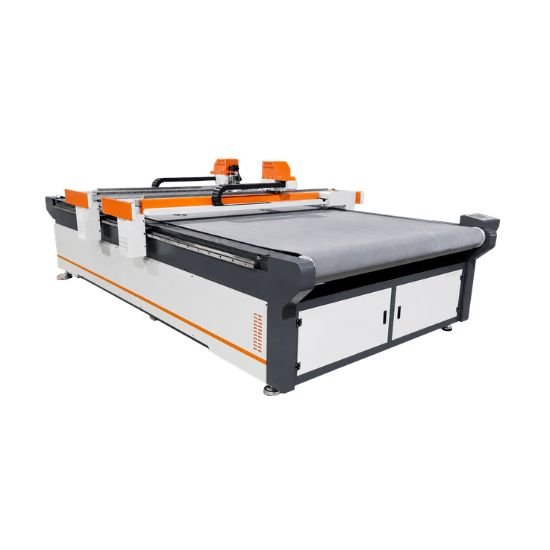
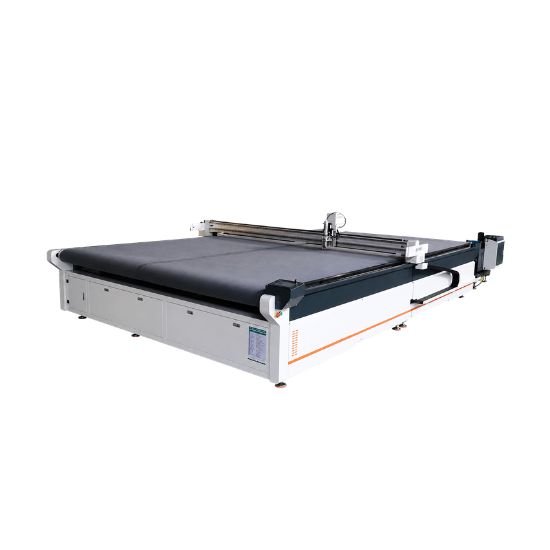
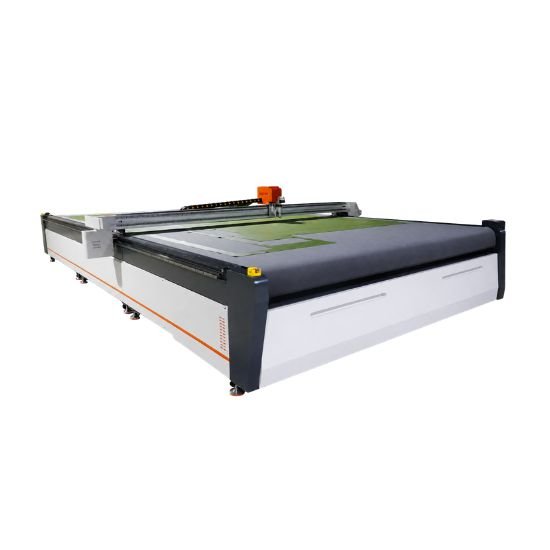
Features of the MC Textile Cutting Machine

Combined with CNC computer control, precision cutting tools, and stable motion systems.

By employing CNC automation technology, cutting patterns can be quickly executed, minimizing manual operations to the greatest extent possible.

Using high-power cutting technology, it can efficiently cut textiles and minimize resistance.

Completely controlled by CNC machines or computer systems, and can handle entire cutting processes from pattern input to execution.
Automatic Nesting Function Improves Material Utilization
Using software intelligently places multiple cutting patterns on textiles in the most space-saving way, minimizing gaps between cut pieces to the greatest extent possible, reducing waste caused by irregular shapes, and optimizing the direction of textiles according to texture and design requirements.
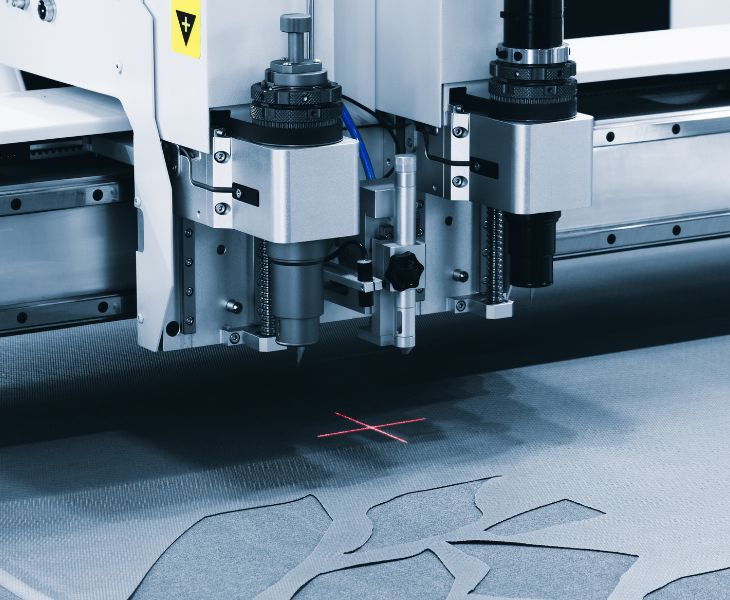
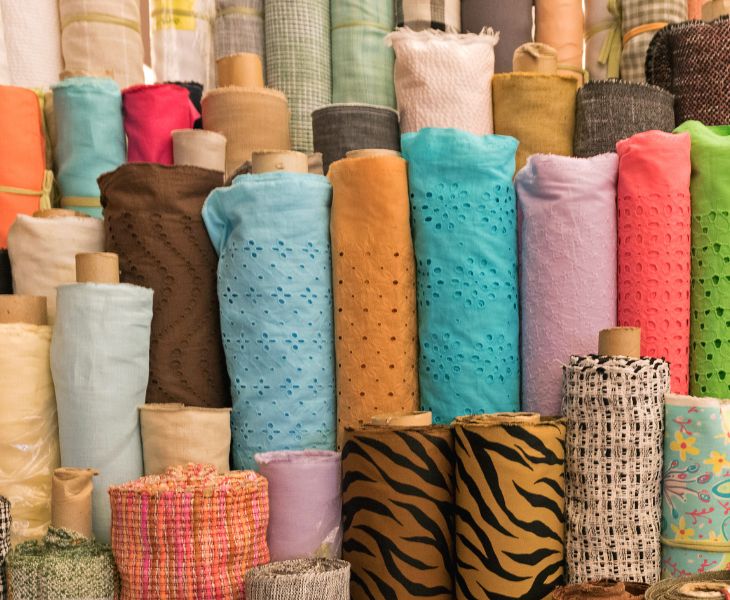
Wide Material Compatibility Suitable for Multiple Industries
You can adjust cutting tools and parameters like speed, pressure, power, etc, to precisely cut natural fibers, synthetic fibers, leather, high-performance industrial textiles, etc, and it supports multi-layer and custom-shaped cutting.
Thus, textile cutting machines can satisfy the cutting requirements of various industries like luggage, furniture, and so on.
Multi-Layer Cutting Capability Reduces Labor Costs
Our textile cutting machines can complete multi-layer cutting at once; the operators do not need to frequently transport, align, and cut single-layer textiles, which can obviously reduce manual operation frequency and labor costs.
Applications of the Textile Cutting Machine
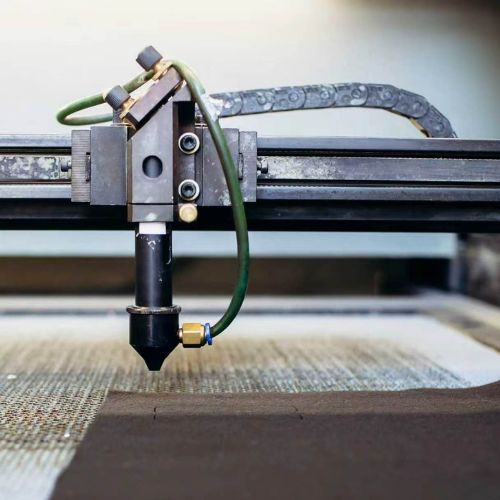
Automotive interior components like seat textiles, door interior panels, dashboard coverings, etc, often have complex shapes and require precise cutting. Textile cutting machines can accurately cut according to CAD drawings or digital templates, guaranteeing that each component has consistent dimensions.
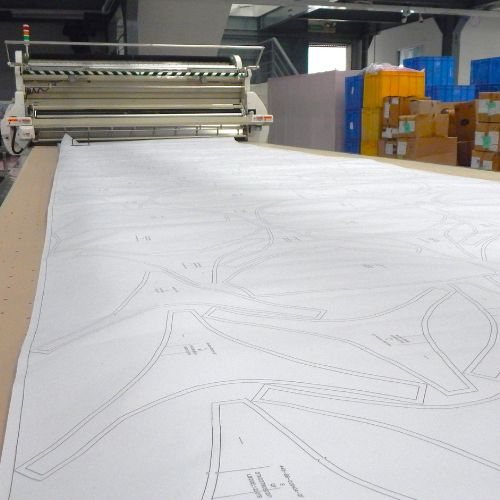
The garment and apparel industry has requirements for precision, efficiency, diverse materials, and complex designs, and our textile cutting machines can cut multiple textiles with high precision, cut multiple layers at once, and handle complex contours.
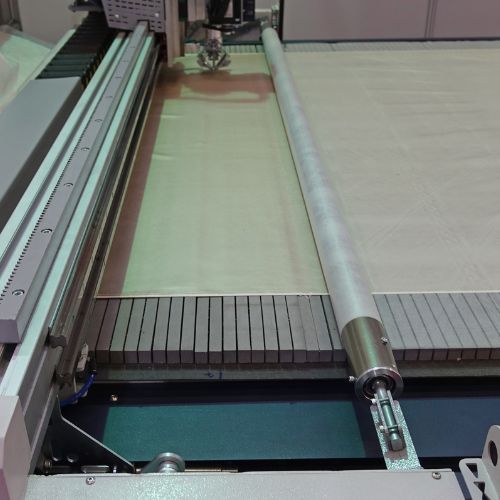
Protective clothing textiles, filter cloth, tent canvas, etc., are usually thick and strong, making it difficult to cut quickly manually. Using Textile Cutting Machines, it’s possible to precisely cut multi-layer protective clothing textiles, irregular holes in filter cloth, or large-sized cut pieces of tent canvas.
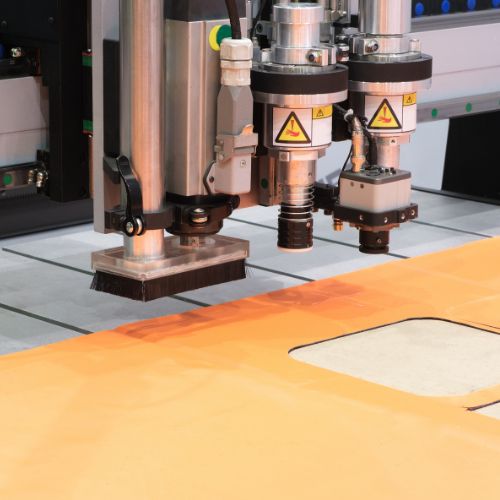
Luggage and bags are made of textiles, leather, composite materials, etc, and the shapes of the components are diverse, like the body, zippers, and so on. Our textile cutting machines can accurately cut out irregular parts and keep neat edges.
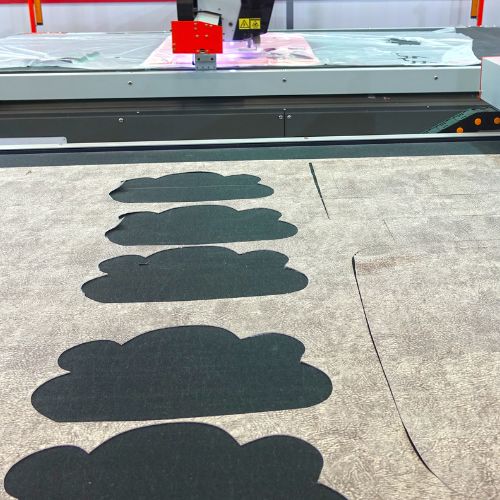
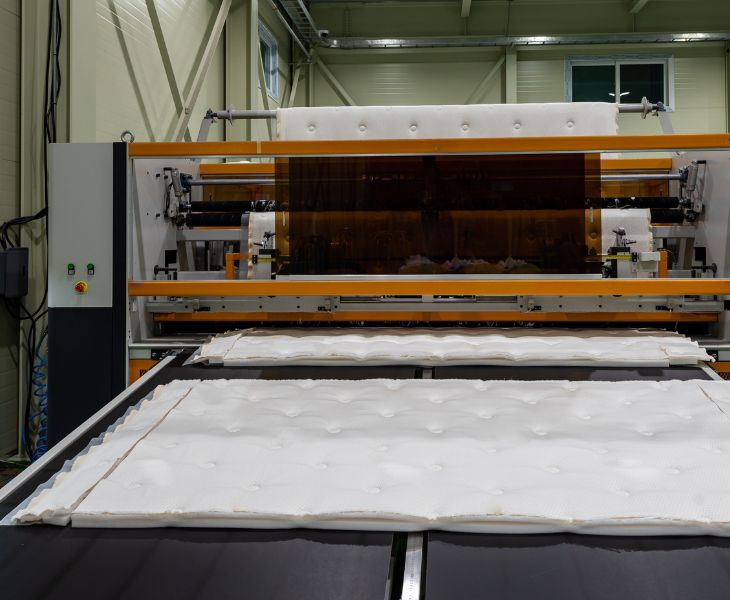
In the furniture industry, sofas, seats, cushions, etc. usually use composite materials like textiles, leather, and foam, which have low manual cutting efficiency and are easy to errors. Textile cutting machines can perform exact cutting of sofa covers, seat textiles, and cushion fillers.
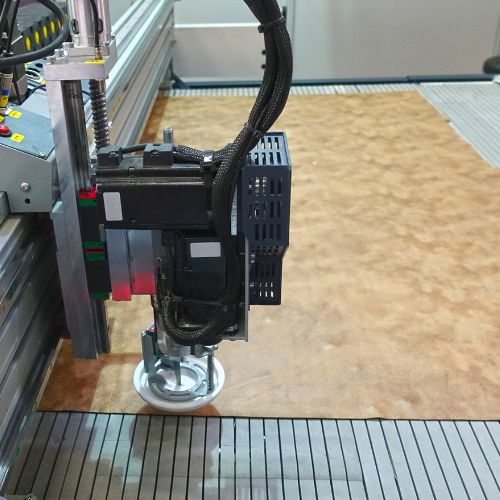
High-strength fiber cloth, composite material cloth, thermal insulation materials, etc., with large thickness are often used in aerospace and marine industries. Textile cutting machines can cut seat covering materials, cabin decoration textiles, etc., while keeping the edges neat.
- Specification
| Parameters | Specification |
| Cutting Thickness | 0.1–50 mm (depends on material) |
| Cutting Speed | 0–1200 mm/s adjustable |
| Cutting Precision | ±0.1 mm / ±0.05 mm (high-precision model) |
| Working Area | 1600*2500mm,1600*3500mm,1800*3000mm,2000*3000mm,2500*3500mm,2000*6000mm,1300*8000mm,2500*4000mm,2500*6000mm,3000*4000mm, 3200*6000mm |
| Control System | Industrial CNC control system |
| Power Supply | 220V / 380V, 50/60Hz |
| Cutting Material | Cotton, Polyester, Denim, Knitted Fabric, Technical Textiles |
The cutting technology, like CNC blade, laser, automation level, and production scale, all can affect the price of textile cutting machines.
For instance, some industrial-grade CNC textile cutting machines cost around $9,500–$12,800, while multi-layer automatic textile cutting systems can reach $40,000–$60,000 or even higher.
You need to pay attention to the following points:
- The textile fibers and dust on devices should be cleaned every day.
- Timely monitor the wear of blades and replacing or polishing them.
- Proper lubrication of moving parts like guide rails and bearings.
- Regularly calibrate devices’ accuracy.
There is no fixed criterion for the useful life of textile cutting machine blades, which depends on material types, frequency of use, and cutting thickness. When cutting ordinary textile fabrics, the blade may be used for several days to weeks; But for high-strength continuous production or cutting of hard composite materials, daily inspections or even frequent replacements may be necessary.
The best cutting method for textile materials depends on the type of textile, yield, and required precision.
Generally, CNC textile cutting is the most commonly used cutting method for clothing and industrial textiles.
Digital cutting is controlled by a computer to accurately cut multiple layers of materials, with fast speed, high precision, and reduced waste; Traditional manual cutting leans upon manual labor, which is inefficient and easy to errors.
Tool sharpness, cutting speed, pressure settings, device control accuracy, and the performance of the textile itself, like thickness, elasticity, fiber structure, etc, all impact the quality of textile cutting.
The common blades of textile cutting machines include vibrating blades, trailing blades, rotating blades, and hard alloy or high-speed steel blades; among them, vibrating blades are the most widely used.
What Is a Textile Cutting Machine?
The textile cutting machine is an industrial machine designed to cut textiles and textile materials into precise shapes and sizes by using automated or semi-automated cutting technologies.
And it is used in various industries, like garment manufacturing, automotive interiors, and so on, to improve cutting accuracy, speed, and production efficiency.
CNC Textile Cutting vs Laser Textile Cutting
| Performance | CNC Textile Cutting | Laser Textile Cutting |
| Cutting Method | Oscillating blade / physical knife | Laser beam (thermal cutting) |
| Edge Quality | Clean, no sealing | Clean but may scorch edges |
| Material Compatibility | Very wide (cotton, polyester, denim, multi-layer fabrics) | Medium (best for synthetics) |
| Thickness Capability | High (multi-layer cutting possible) | Low to medium |
| Cutting Speed | Medium | Very high |
| Cutting Precision | High | Very high |
| Maintenance Requirement | Blade replacement & basic mechanical maintenance | Laser tube / optical system maintenance |
| Production Flexibility | Very high (multi-material, flexible production) | Medium |
| Best Applications | Garment, upholstery, automotive interiors, industrial textiles | Fashion garments, complex patterns, synthetic fabrics |
How to Choose the Right Textile Cutting Machine?
Based on Material Type
The physical performances of different materials can directly impact cutting efficiency, accuracy, and device durability.
For instance, thick, multi-layered materials or those easy to edge chip are ideal for CNC or ultrasonic textile cutting machines, while thin materials like terylene, nylon, etc, that are easy to curl up or need precise edges, you can choose laser textile cutting machines.
Based on Production Volume
You need to figure out your company’s production volume, because the production volume decides the textile cutting machine’s speed, automatic level, and cost-effectiveness.
Consequently, selecting the right textile cutting machine is essential to strike an equilibrium between efficiency, quality, and return on investment.
Based on Cutting Thickness
The cutting thickness can decide the machine’s power, tool type, and cutting methods, so when your business wants to choose textile cutting machines, you should consider this.
Only a device with an applicable thickness can guarantee cutting accuracy, efficiency, and tool lifetime. For example, if you are using a thin-material device to cut thick textiles, it’s very easy to cause uneven cutting, edge burrs, or textile breakage.
Based on Automation Requirements
Highly automated devices are ideal for large-scale, normalized production, and they can reduce manual operations and guarantee stability, while less automated devices are better suited for small-batch and diversified orders.
Based on Cutting Precision
The cutting precision can guarantee consistent dimensions and neat edges of textile products, and also safeguard material utilization and production efficiency. Therefore, you need to know what precision your company’s products are suitable for or want to achieve before choosing textile cutting machines.
Based on Software Compatibility
Most modern textile cutting machines rely on design files, typesetting software, and automation systems, and software compatibility can affect production efficiency and cutting accuracy.
Thereby, your business needs to be based on it to select textile cutting machines, and guarantee that the device can directly read designs and typesetting files, support automatic cutting and layout optimization, and guarantee seamless integration with existing design systems or ERP.
Based on the Budget
You need to consider your company’s budget. If your company has a sufficient budget, you can choose high-power multi-layer CNC textile cutting machines or ultrasonic textile cutting machines. Conversely, if your budget is limited, semi-automatic CNC textile cutting machines or digital textile cutting machines can meet your needs.