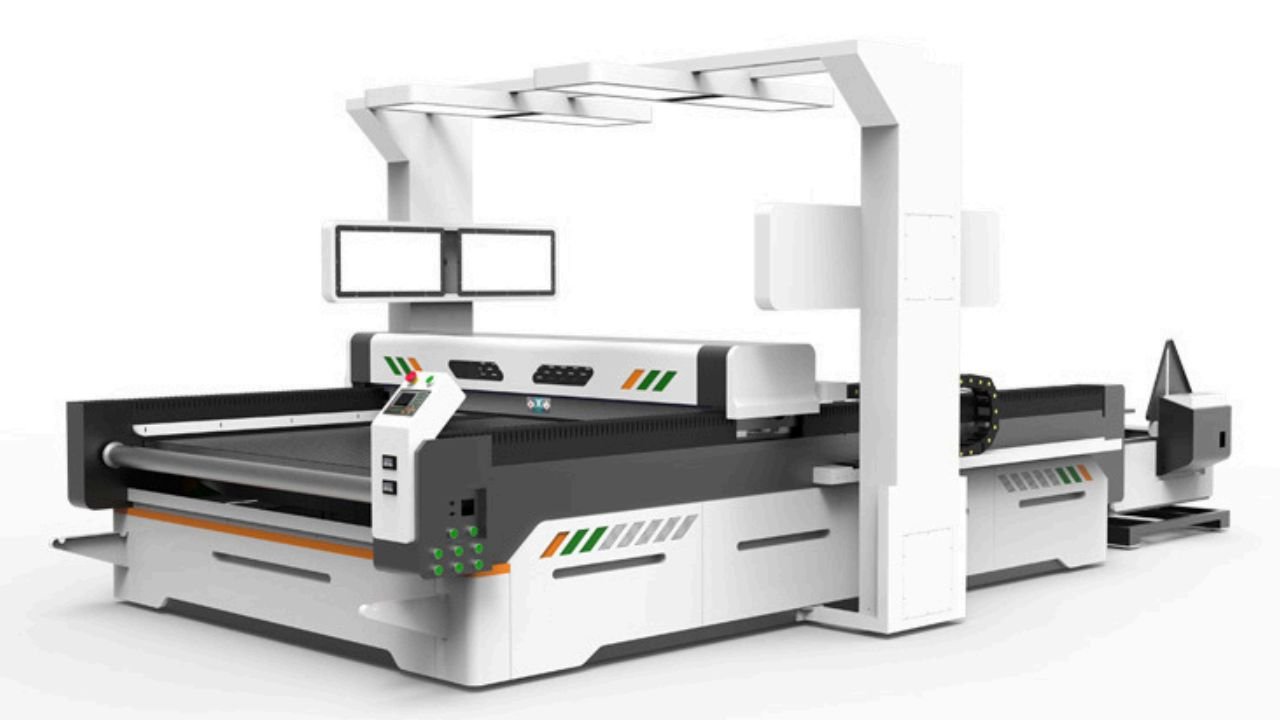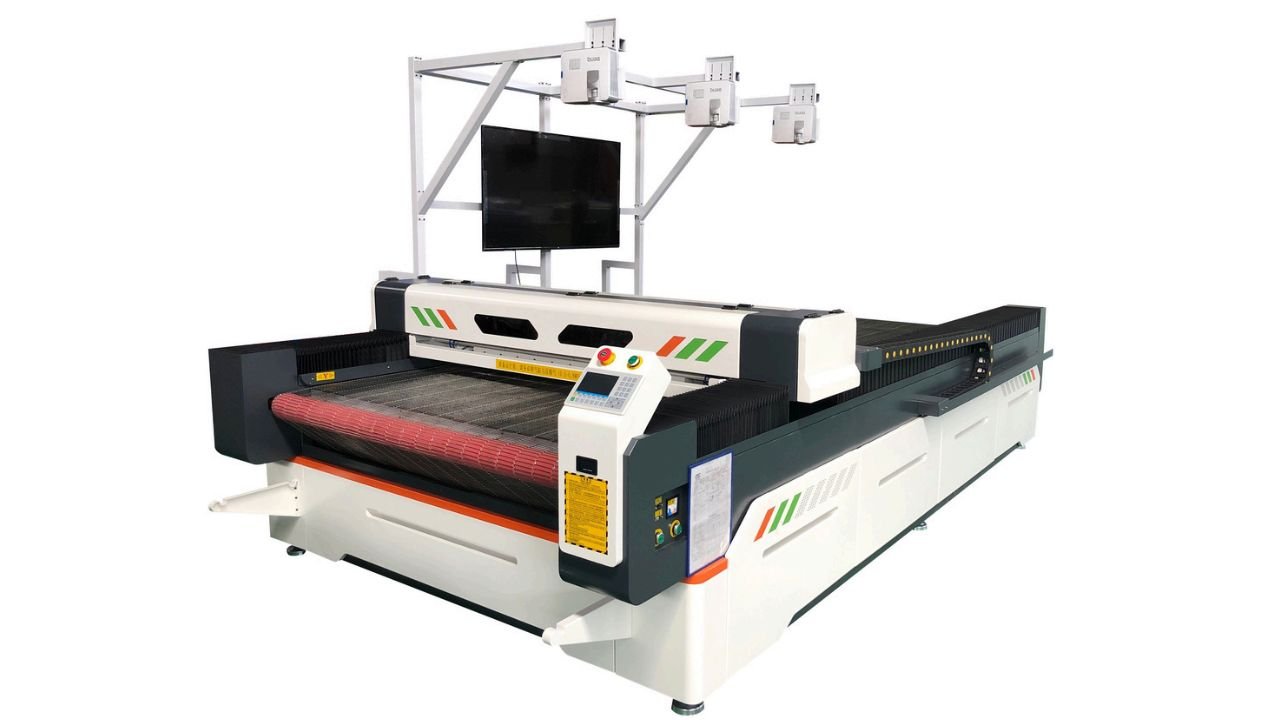
Laser cutting has become a mainstream machining technology. So why are more and more companies choosing it instead of traditional cutting methods? This article will talk about how laser cutting works, its types, methods, pros and cons, and applications.
What Is Laser Cutting?
Definition of Laser Cutting
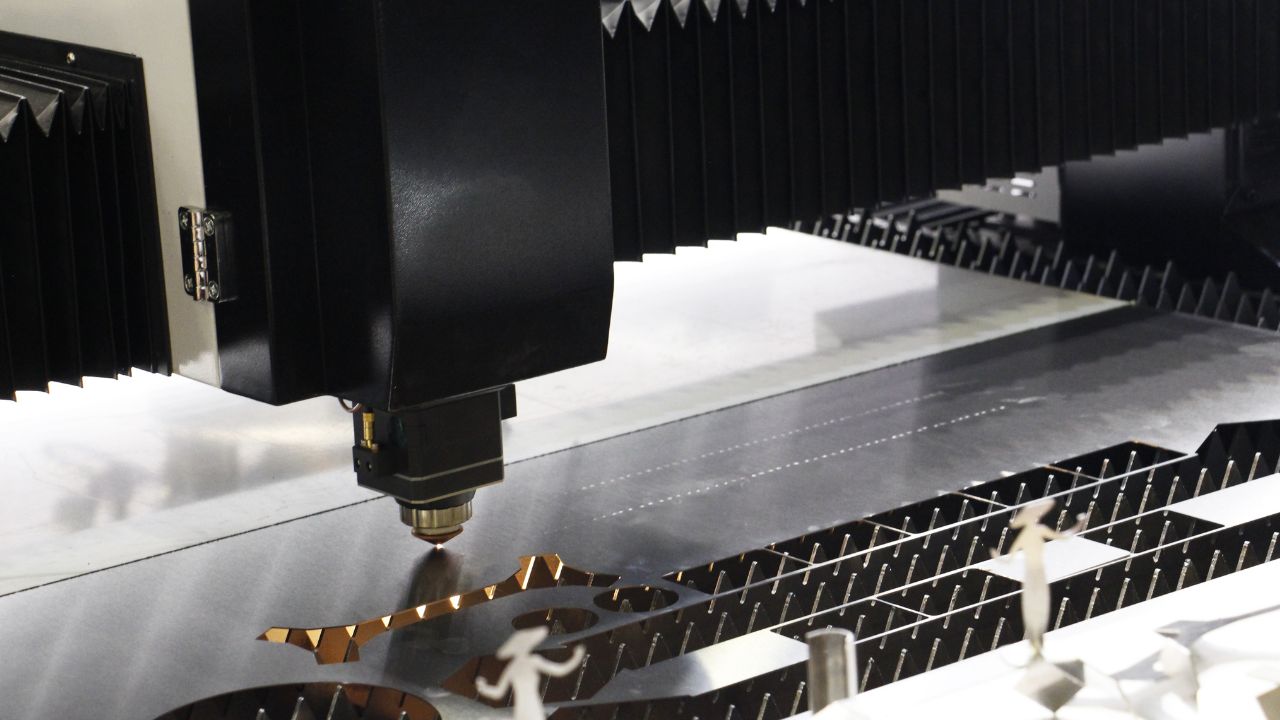
Laser cutting is a non-contact processing method that uses a highly concentrated beam of light to cut materials. It works without direct contact with the material, which can reduce tool wear, minimize contamination, and get cleaner edges. This technology is widely used in many fields.
How Does Laser Cutting Work?
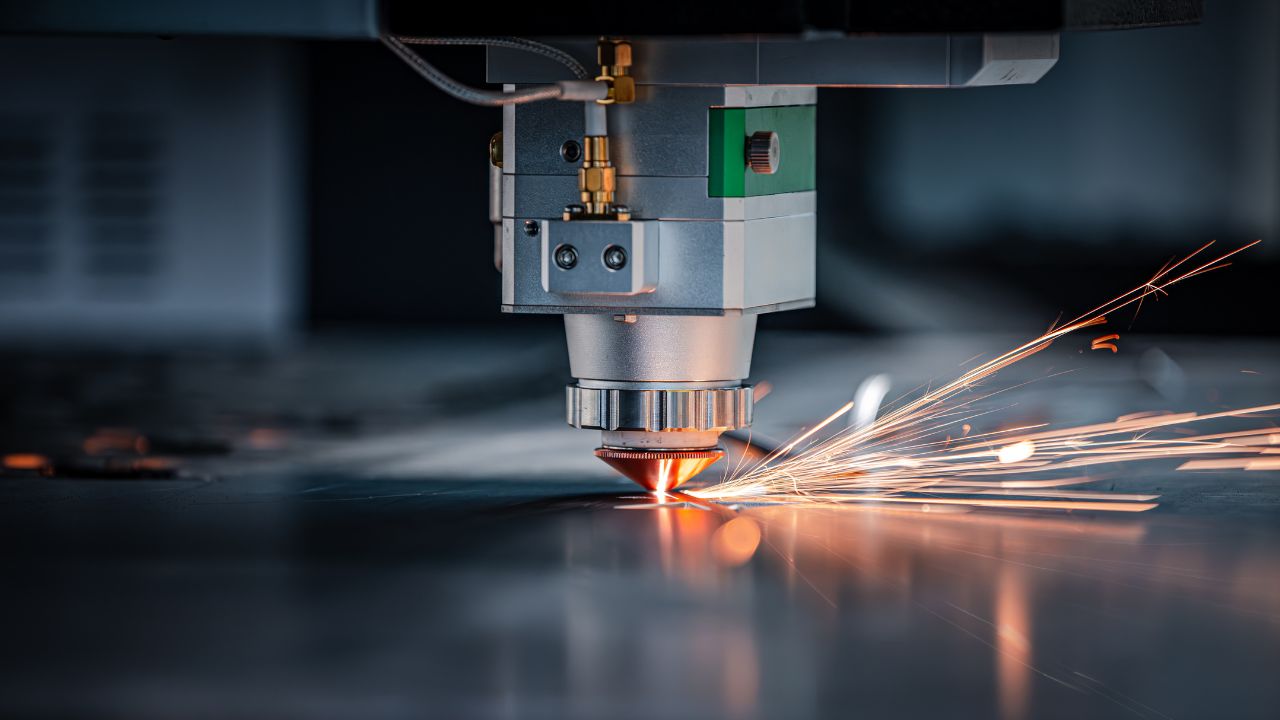
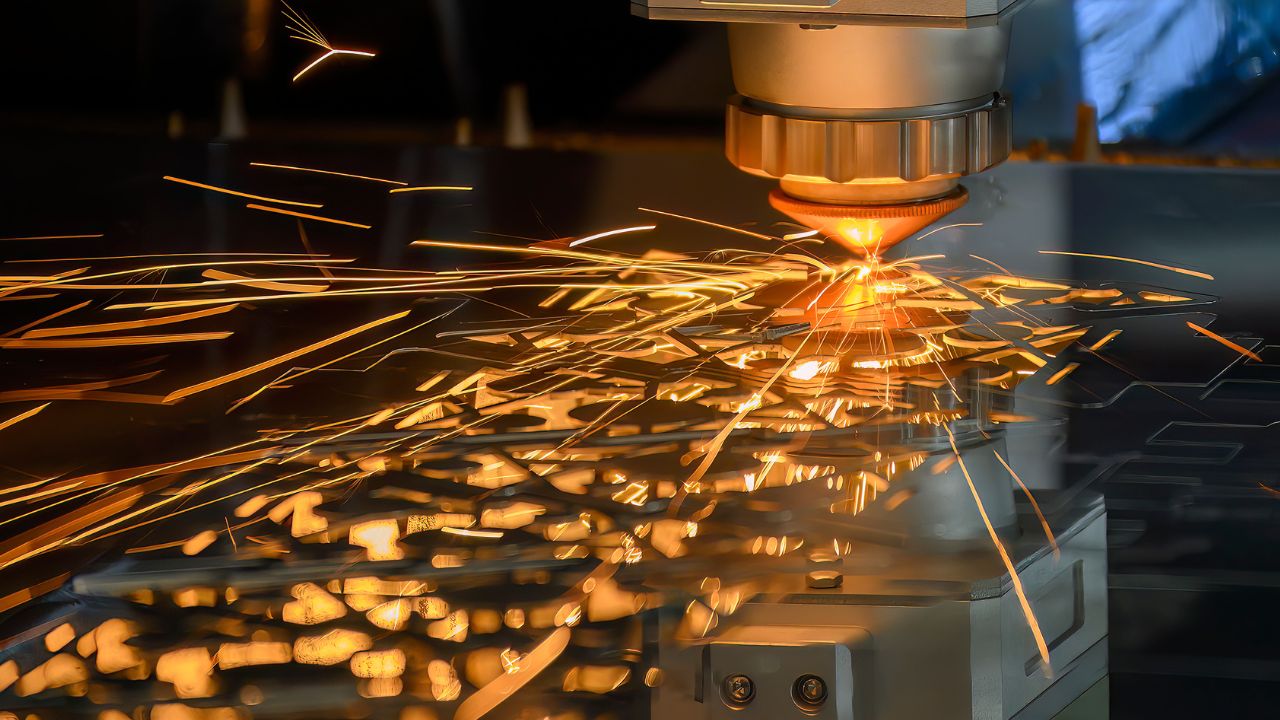
Laser cutting uses a high-energy beam of light to cut materials. The beam focuses on a small spot and moves along a set path. When the light hits the material, it will remove a small bit of it and cut the material. As a result, laser cutting uses light to cut materials instead of traditional tools.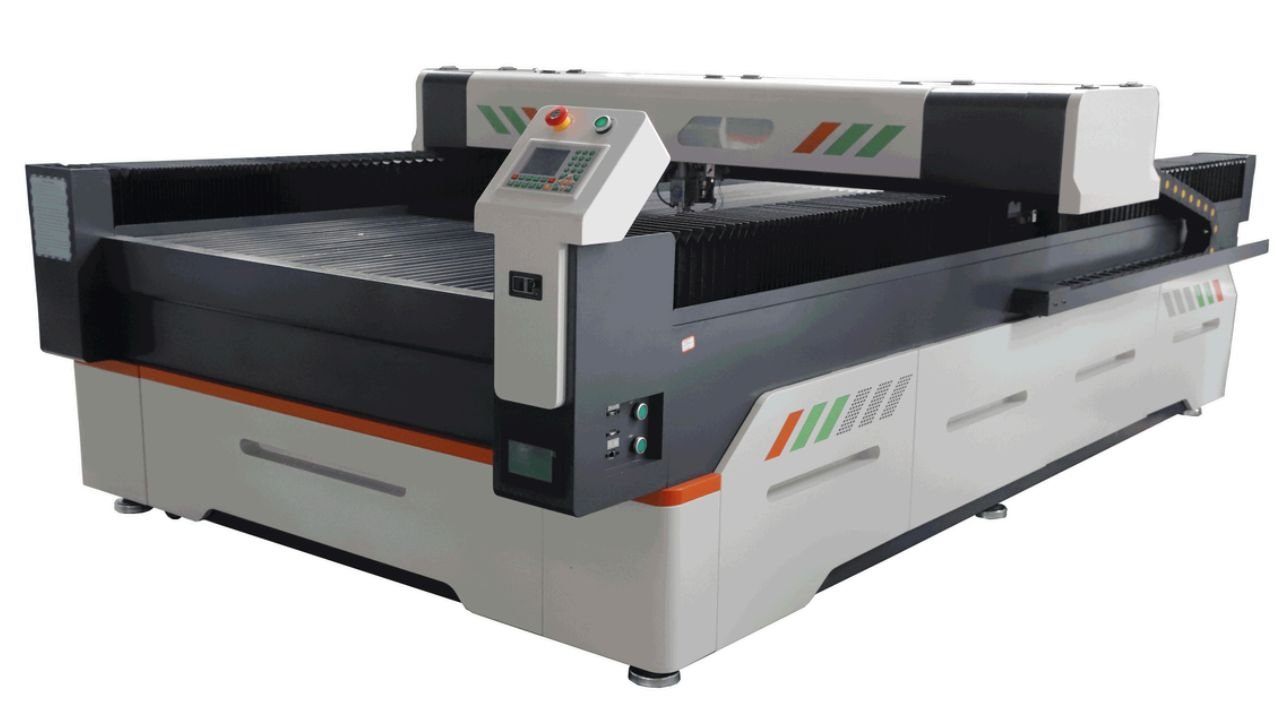
Types of Laser Sources
CO2 Lasers
CO2 lasers were one of the earliest types of lasers used for cutting. They use special gases inside the machine to produce a powerful laser beam.
Many people like these lasers because they can produce relatively smooth cutting edges and can cut many different kinds of non-metal materials. Since they have been used in manufacturing for years, this technology is very mature and widely trusted and recognized.
Fiber-Optic Laser
Fiber lasers are a newer type of laser and are very common in cutting equipment nowadays. They produce laser light in optical fibers and then deliver it to the cutting area. Different from many older lasers, fiber lasers use less energy, need less maintenance, and can run steadily for a long time.
Crystal Lasers
Crystal lasers use special crystals to produce laser beams. Common types include Nd lasers and Nd-YAG lasers. These lasers can generate strong and focused beams of light and stay stable while working. These types of lasers are good for cutting work that needs high precision.
Assist Gases
As it is mentioned above, the cutting process will use some auxiliary gases. These gases are used to blow away the melted material from the cut, keeping the kerf clear.
Different cutting processes can use different gases. Oxygen, nitrogen, and compressed air are commonly used. By constantly clearing the material from the cutting area, the auxiliary gas can make the whole cutting process more stable and smoother.
Methods of Laser Cutting
Vaporizing
In vaporization cutting, the laser doesn’t just cut through the material. It heats a small area to a very high temperature, making the material vaporize and disappear directly. As more and more material vaporizes, there will be a narrow cut. Since there’s less material left around the cut, the edges are usually very clean.
If you need laser cutting equipment used for thinner materials and tasks that need fine details and precise shapes, this method is a good choice.
Fusion Cutting
In Fusion Cutting, the laser does not turn the material directly into vapor. It heats the material until it melts. Then, a stream of gas blows the melted material out of the cut. As the laser keeps moving forward, the material will generally be cut. This method can produce smooth edges and reduce material loss.
So, when you need to cut with high quality, you can choose this method.
Thermal Stress Fracture
When using thermal stress cutting, the laser quickly heats a tiny area while the surrounding areas stay relatively cool. This temperature difference can create thermal stress inside the material and make it crack along a pre-designed path.
This method is suitable for brittle materials, such as glass and ceramics. Since it will not remove a lot of material, you can usually get a clean and precise cut.
Stealth Dicing (Laser Wafer Dicing)
In this cutting method, the laser does not cut through the surface of the material directly. Instead, it will make a weaker hidden line inside. From the outside, the material may look almost unchanged. Then, with a little extra force, the material will split along that hidden line.
This method has minimal impact on the surface. It can reduce damage and keep the surface clean. It’s often used for brittle materials that are easy to break.
Reactive Laser Cutting
Reactive cutting combines laser energy with gas. It usually uses oxygen. First, the laser heats the material. Then, the oxygen will react with the high-temperature area and produce extra heat. This extra heat will make the material get cut faster and easier.
Since the cutting process uses both the energy from the laser and the gas, it can cut thicker materials than some other methods. So, when you need to cut metals like carbon steel, this reactive laser cutting is a good method.
What Are the Advantages and Disadvantages of Laser Cutting?
Advantages of Laser Cutting
Laser cutting has the following advantages:
Clean Edges
The cut edges are usually smooth and even, which can reduce additional finishing work.
Precision
Laser cutting technology can follow the set path very accurately. And the dimensions and shapes of the products are more consistent.
Easy to Automate
Modern laser cutting equipment can work with automated systems to increase the overall production efficiency.
Fast Cutting Speed
This cutting technology can finish cutting in a short time. And this will improve production efficiency.
Flexible Processing
Whether it’s complex or simple shapes, laser cutting technology can finish the tasks easily.
Reduce Material Waste
Since the cuts produced by laser cutting are narrow, it will result in less material loss.
Disadvantages of Laser Cutting
However, laser cutting has some limitations as well.
Laser cutters usually need a higher investment. To keep the equipment running smoothly, it also needs regular maintenance. During operation, the machine consumes electricity and other resources, which adds to the operating costs.
For some materials, cutting may need extra adjustments and can be more challenging. What’s more, new operators often need training to use the cutting equipment properly and safely.
Applications of Laser Cutting
Sheet Metal Processing
Laser cutting is widely used in sheet metal processing. It can be used to produce metal panels, brackets, cabinets, casings, and other components.
Automotive Manufacturing Industry
The car manufacturing industry often uses laser cutting to process many metal parts. These parts can be used for the car body, frame, support structures, and other components.
Aerospace Industry
Laser cutting is highly precise, so it is very suitable for the aerospace industry. Laser cutting technology is often used to produce aircraft body parts, turbine blades, and other small components.
Construction Industry
In construction projects, laser cutting is often used to make metal structural parts, frames, connectors, and decorative metal components.
Machinery Manufacturing Industry
Many machinery manufacturing companies use laser cutting in their production. Metal sheets and structural parts can be cut into different shapes by laser cutting.
FAQ
How Long Can a Laser Cutting Machine Be Used?
A fiber-optic laser cutting machine can be used for about 100,000 hours, while a CO2 laser can only be used for 30,000 hours. Every laser has some consumable parts that need to be replaced regularly. For example, the lifespan of a laser tube is about 500 hours, after which it needs to be replaced.
What Professional Software Is Needed for Laser Cutting?
Laser cutting usually needs design software and control software. Common design software includes AutoCAD and SolidWorks, and many laser cutting machines may use specialized control software to finish the cutting process.
Does Laser Cutting Leave Marks on the Material?
In most cases, laser cutting technology can produce clean and smooth cuts with few marks. However, it will be influenced by the type of material, thickness, and equipment settings.
What Is the Power Consumption of Laser Cutting?
The power consumption of laser cutting generally ranges from 0.1 kW to 15 kW. The power consumption would change according to the type of laser, the maximum laser power, and the efficiency of the peripheral equipment.
What Is the Maximum Material Thickness a Laser Cutting Machine Can Cut?
The maximum cutting thickness is related to the equipment’s power, the type of material, and processing conditions. Different laser cutting machines have different thickness ranges. For example, a laser can cut low-carbon steel up to 2.5 cm (1 inch) thick. For other materials, the maximum cutting thickness is generally around 2 cm.
What Are the Alternatives to Laser Cutting?
Alternatives to laser cutting include plasma cutting, water jet cutting, mechanical cutting, and stamping. Each method has different advantages and is suitable for different materials, thicknesses, and production needs. You can choose a suitable cutting method or technology according to your needs.
Can Laser Cutting Cut Materials into Complex Shapes?
Yes. Laser cutting machines can make curves, holes, special contours, and complex patterns according to digital drawings and maintain good consistency at the same time.
Final Thoughts
Laser cutting combines precision, speed, and flexibility, which makes it an important cutting technology in modern manufacturing. If you’re looking for the right laser cutting equipment, feel free to contact us anytime for professional advice.