
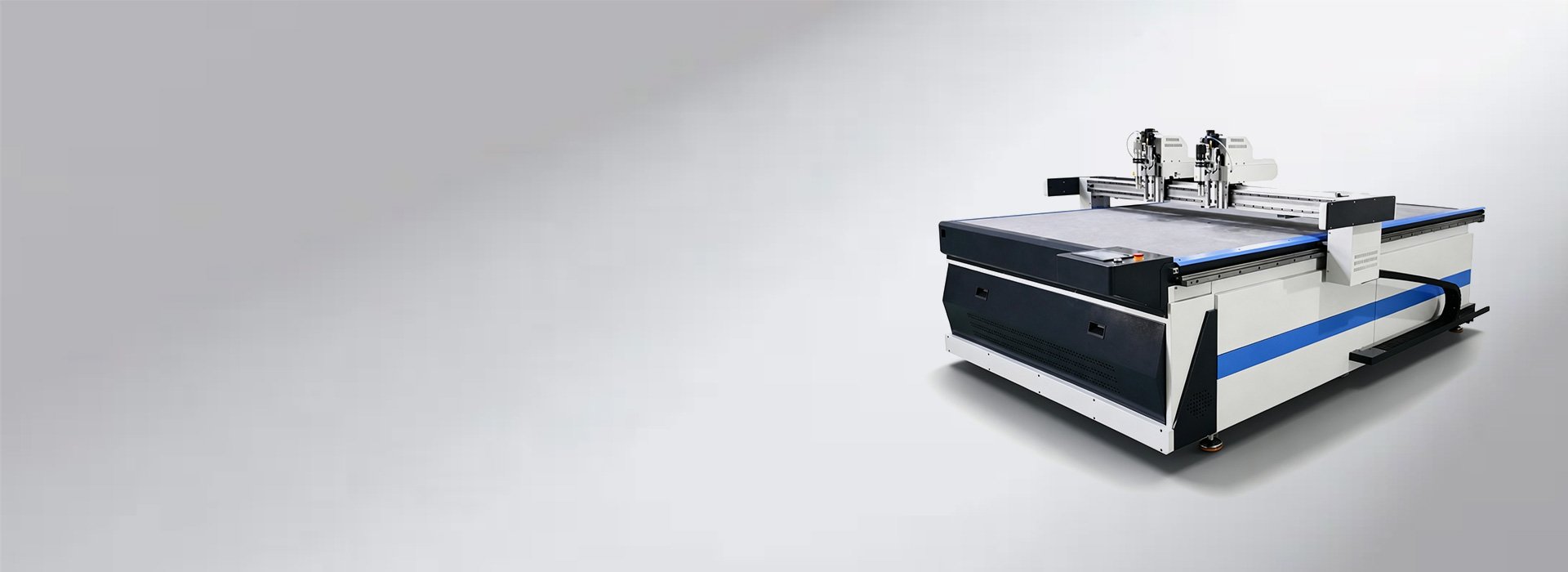
Your Reliable Flatbed Digital Cutting Machine Supplier
The MC flatbed digital cutting machine is a high-efficiency and intelligent automatic cutting equipment, specially designed for flexible and semi-rigid material processing. The equipment can realize various processing processes such as cutting, indenting, V-cutting, marking, and so on, helping you complete small batch, multi-variety, and customized production tasks more efficiently.
Besides, we also provide various tools and function module configurations. For example, vibrating knives, circular knives, indentation wheels, CCD visual positioning systems, milling cutter spindles, and so on. We can customize the machine according to your material and production requirements. Whether you are using it for packaging proofing, label cutting, or automotive interior material processing, we can provide you with a more suitable solution.
If you want to improve production efficiency, reduce production costs, and optimize flexible manufacturing capabilities, you are welcome to contact MC. We will advise you on professional equipment and automated cutting solutions that better match your business needs.
Types of MC Flatbed Digital Cutting Machine
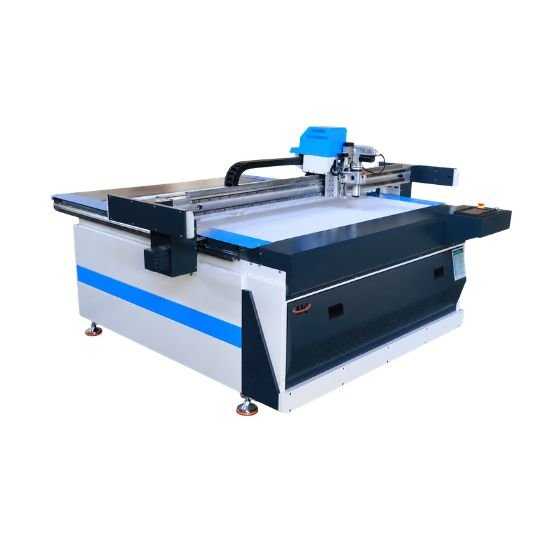
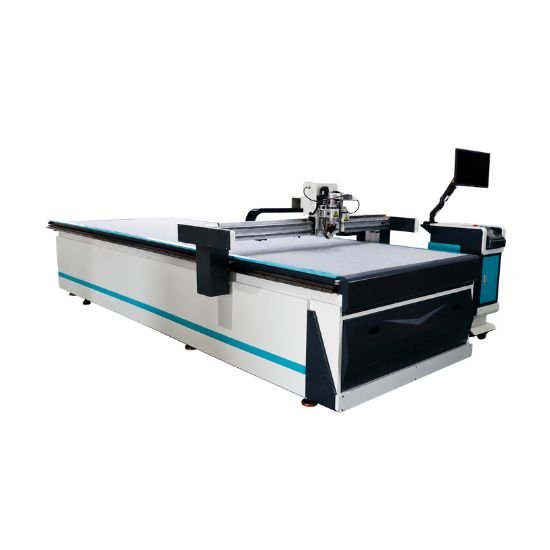
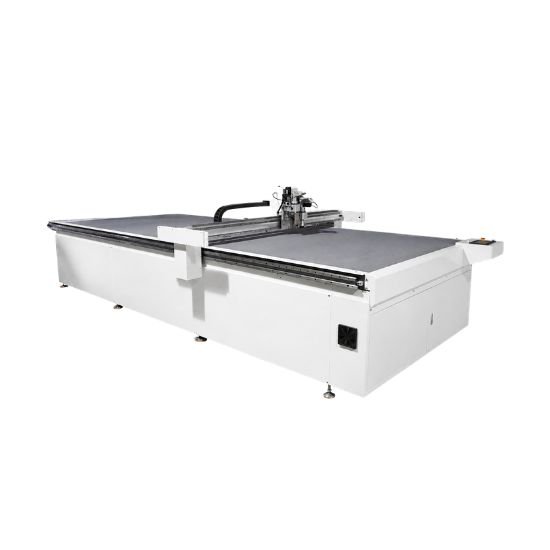
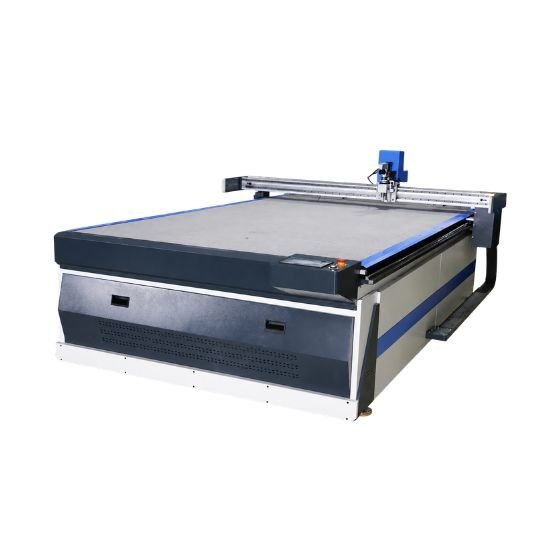
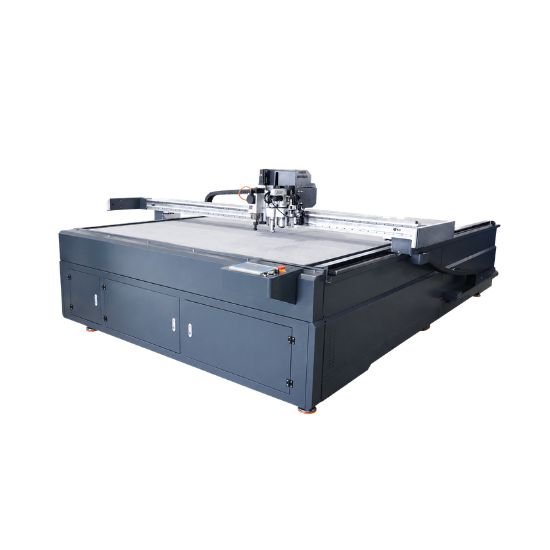
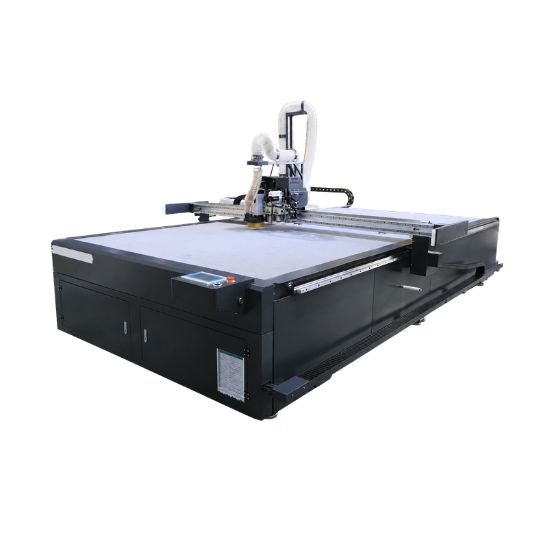
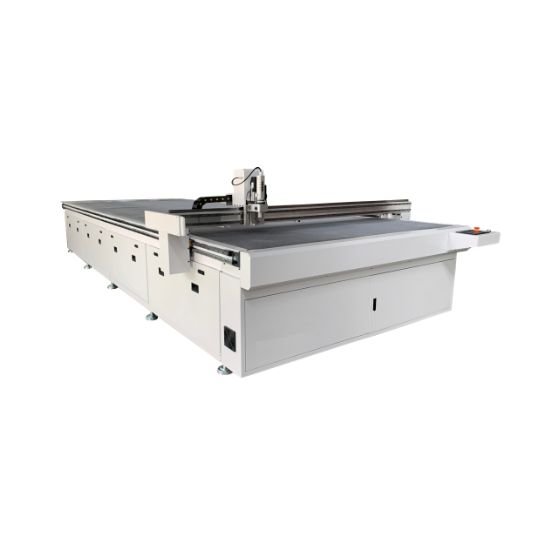
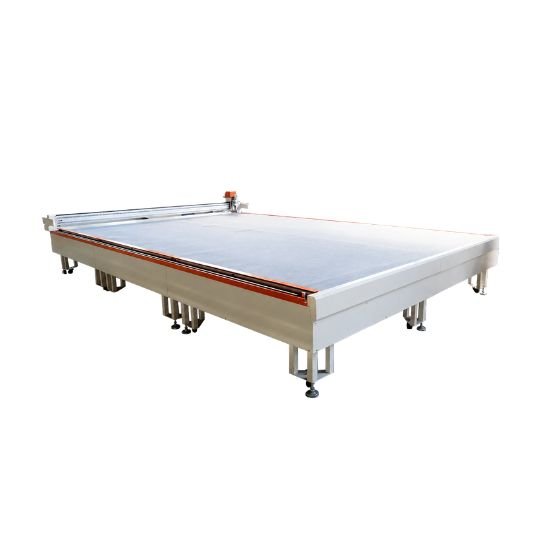
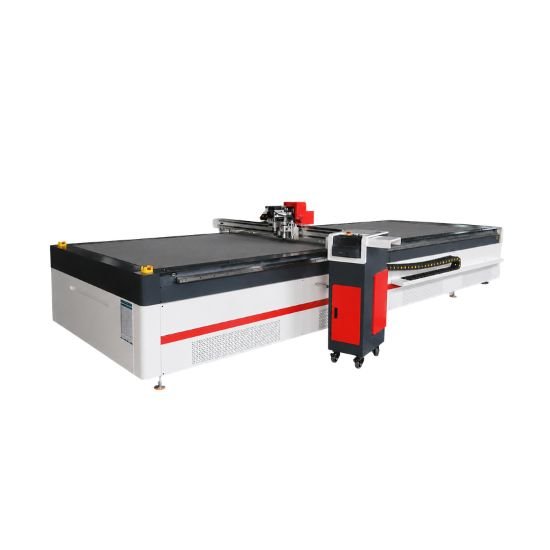
Features of the MC Flatbed Digital Cutting Machine

With a high-precision control system, every cut can be perfectly matched with the design.

We can process many materials such as foam, leather, cloth, and so on, to meet the production needs of multiple industries.

A high-frequency vibrating knife system can guarantee processing quality while achieving high-speed cutting, improving your automated production level.

Can be directly imported into design software for processing, compatible with common file formats such as AI, DXF, PLT, PDF, etc.

With digital control, whether it’s making a single prototype or mass production, it can be tailored for you.

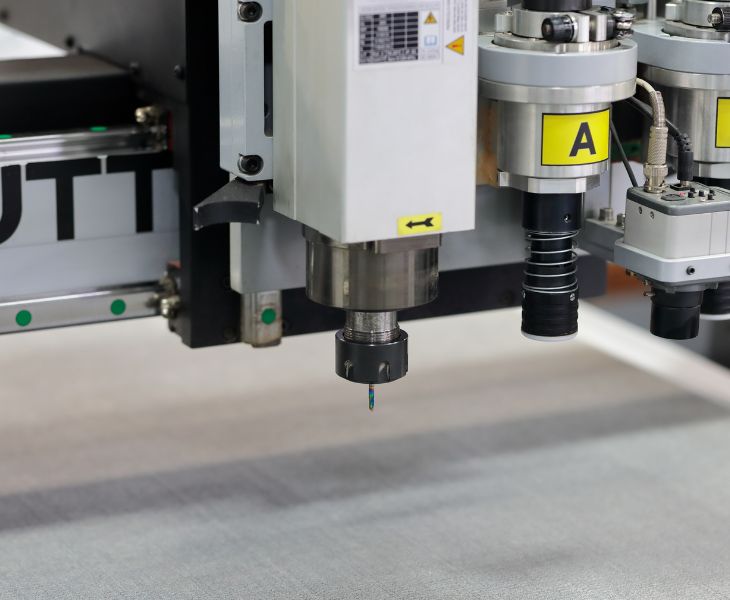
We support vibrating knives, drag knives, indentation wheels, milling cutter spindles, and CCD visual positioning systems to meet multiple machining process needs.
No Cutting Dies Required
Traditional die cutting generally requires extra tool die costs and long preparation cycles when product specifications require frequent changes. The MC flated digital cutting machine does not need to make a physical knife mold, and can process directly according to the design document. Our equipment can help you complete proofing faster, reduce material consumption, and effectively reduce your production costs.
Higher Quality Cutting Effects
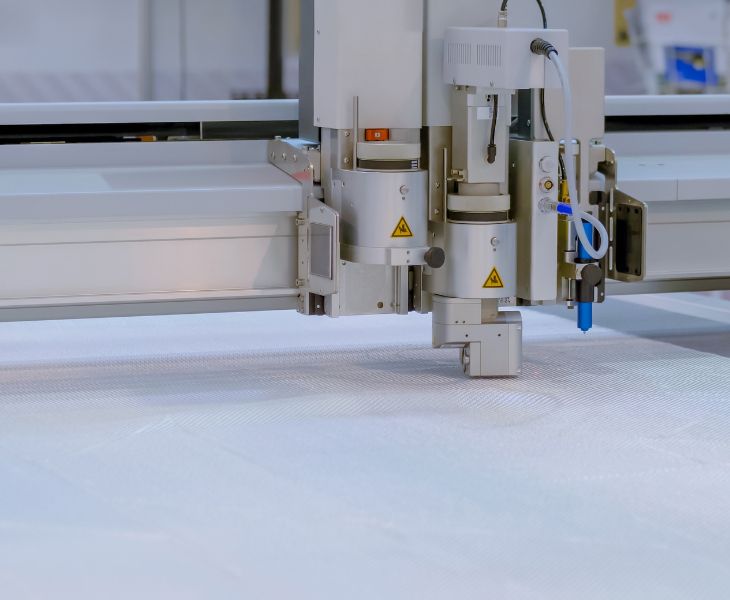
Compared to laser cutting, digital cutting does not cause burns, black edges, or smoke problems. The MC flatbed digital cutting machine is equipped with an advanced servo control system and a fixed beam structure, which can achieve consistent cutting accuracy for industrial production. And, our equipment can achieve a flat and smooth cutting effect on many materials, helping you improve the appearance quality of products and reduce material loss.
Application of the MC Flatbed Digital Cutting Machine
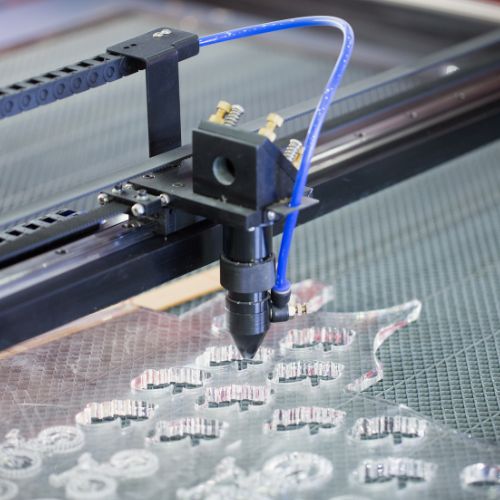
The MC flat digital cutting machine has neat and stable cutting edges. It is suitable for cutting PVC boards, KT boards, acrylic soft sheets, self-adhesive, and display materials. It is widely used in logo production, exhibition display, and the advertising industries.
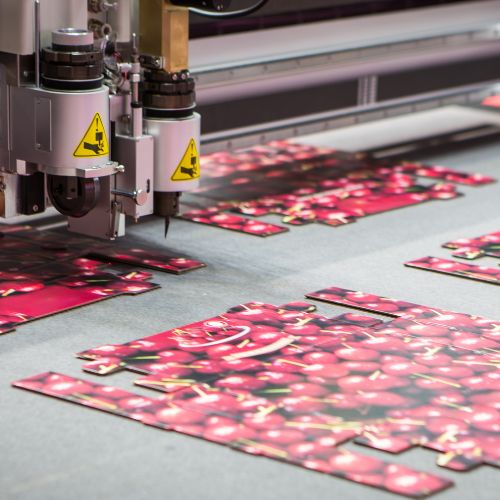
The MC flatbed digital cutter helps you reduce tool die cost and speed up the proofing and confirmation cycle. Our flat digital cutting machine is widely used in proofing and mass production of honeycomb cardboard, folding carton, and custom packaging boxes.
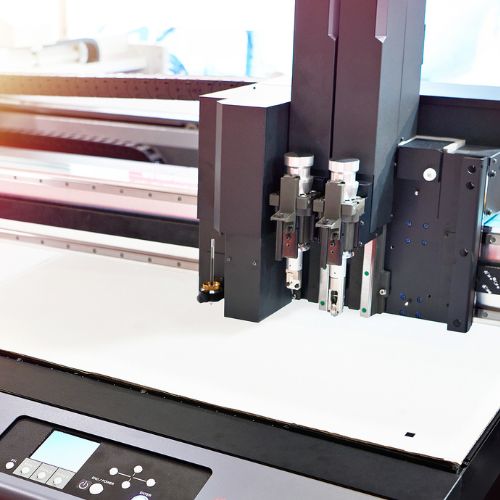
The MC flat digital cutting machine is suitable for processing foam, leather, sound insulation cotton, insulation materials, and composite layer materials. It can be used for high-precision cutting of car seats, door panels, and interior parts.
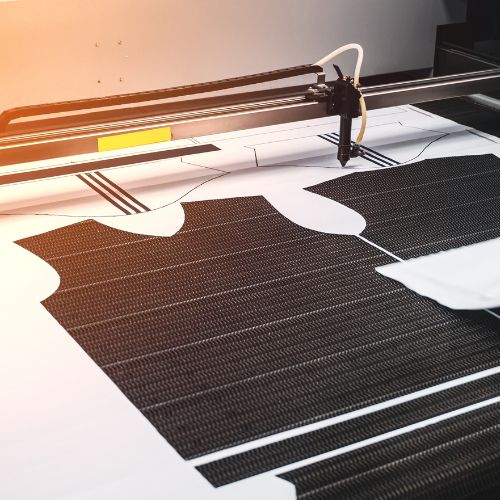
The MC flat digital cutting machine can be used for fabric cutting, clothing patterning, furniture, soft fabrics, and custom clothing production. We can improve your cutting efficiency and meet the production needs of multiple styles and sizes.
- Flatbed Digital Cutting Machine Specification
| Item | Specification |
| Machine Type | Flatbed Digital Cutting Machine |
| Workspace | 1600x2500mm (5.25’x 8.2’) |
| Cutting Speed | Up to 1800mm/s |
| Cutting Thickness | Up to 50mm (1.97’’) |
| Cutting Tolerance | ±0.1mm |
| Cutting Tools | Standard: Oscillating knife, drag knife tool.Optional: Pneumatic cutting tool, V-cut tool, Wheel-cut tool, Driven rotary tool, Milling tool, Kiss-cut tool. |
| Applicable Materials | vinyl, cardboard, fabric, textile, paper, leather, template, die-cutting board, foam, plastic, gasket, rubber, etc. |
| Transmission System | Mitsubishi servo system, belt transmission |
| File Format | AI, PLT, DXF, HPGL |
| Feeding Type | Flatbed / Conveyor optional |
The flated digital cutting machine can process a variety of flexible and semi-rigid materials with high precision, and realize multiple processing functions such as cutting, indentation, marking, and half-cutting based on different tool configurations to meet different production needs.
Common processable materials include EVA foam, PE foam, sponge, leather, cloth, textile materials, honeycomb cardboard, PVC board, KT board, rubber board, insulation materials, acrylic sheets, reflective film, and various packaging and advertising display materials. For different materials, the flatbed digital cutting machine can be equipped with different tools. For example, vibrating knives, drag knives, circular knives, indentation wheels, and milling cutter spindles are used to achieve better cutting results and processing quality.
A flated digital cutting machine can realize high precision machining, mainly relying on advanced cutting head technology, precise mechanical structure, and an intelligent operating system. High-quality flat digital cutting machine with a versatile cutting head that supports a wide range of tools. For example, reciprocating blades are ideal for cutting medium-hard materials with exceptional precision; indentation wheels are ideal for folding applications in the packaging sector; V-shaped cutting tools, primarily for angular cutting on rigid materials; and drag knives provide clean cuts in vinyl, cardboard, and textiles. These knives work perfectly together to guarantee optimal precision during cutting.
Besides, the advanced operating system can guarantee that each cut is perfectly aligned with the printed pattern, automatically detect the positioning mark, and adjust the cutting path accordingly, thereby reducing manual errors and improving cutting accuracy.
When using a flat digital cutter, it is necessary to select appropriate tools and cutting parameters according to the material type and thickness to guarantee cutting accuracy and edge quality. During the processing, it is necessary to guarantee that the material is flat and firmly fixed by the vacuum adsorption system to avoid material movement affecting the cutting effect. At the same time, before the machine is run, you also need to check whether the various parameters of the equipment are normal to reduce equipment failure and processing errors. Besides, you also need to pay attention to cleaning the workbench in time to guarantee that the equipment is neat and tidy, thereby improving the stability and service life of the equipment.
Flated digital cutting machine mainly uses vibrating knife and drag knife for processing, which can achieve burnt, black edge, and odorless cutting effect. It is more suitable for processing flexible materials. For example, foam, leather, cloth, corrugated cardboard, rubber, and PVC materials. Digital cutting machines are more suitable for packaging proofing, small-batch production, and industries with high requirements for cutting-edge quality.
Laser cutting machines use high-temperature laser beams to thermally cut materials. It is more suitable for materials such as acrylic, wood, and metal that need to be hot-worked or engraved. However, when processing partially flexible materials, problems such as burning edges, deformation, or smoke may occur.
Most flat digital cutters support the commonly used vector graphics and CAD file formats. Common supported files include AI, DXF, PLT, PDF, HPGL, and so on, which are directly compatible with drawing files generated by design software such as Adobe Illustrator, AutoCAD, CorelDRAW, etc. The equipment control system can automatically convert design files into cutting paths. It is easier to handle complex graphics, packaging proofing, and customized production tasks. Some systems also support barcode recognition, automatic typesetting, and positioning marking functions, so as to improve automated production efficiency.
What is A Flatbed Digital Cutting Machine?
A flat digital cutter is an automated cutting device used for processing flexible and semi-rigid materials. Unlike traditional methods that rely on knife dies or manual cutting, digital cutting machines use high-frequency vibrations of the blade up and down to cut, and the movement is digitally controlled from front to back and left to right. It converts your design files directly into precise cutting paths for automated machining.
Besides, the finished products cut by the flat-plate digital cutting machine are clean and neat, with smooth edges and precise dimensions, and can be processed from both soft and hard materials. If your business needs to process custom orders, a flatbed digital cutting machine can help you reduce tool die costs and improve the consistency of production and processing.
How Does A Flatbed Digital Cutting Machine Work?
Import Design Files
First, you need to import the design files (AI, DXF, PDF, etc.) into the software. Afterwards, the cutting line, folding line, and bleeding line are examined, and the parameters are configured according to the material properties.
Path Optimization
System software automatically sorts and optimizes cutting paths to minimize repetitive movements for more efficient machining.
Material Laying and Fixing
The material is laid flat on a workbench and then fixed with vacuum adsorption or pressure rollers. Strong bonding can prevent material displacement and ensure cutting accuracy.
Tool Choice and Calibration
The device automatically selects the appropriate cutting head based on your task settings and matches the corresponding cutting depth and pressure. For tasks with more processes, the equipment performs indentation and cutting operations in sequence.
Cutting Execution
The cutting prop moves along a preset path. The servo system maintains a steady speed and pressure; the oscillating blade vibrates at high speed to cut the material; the rotating blade rolls in the direction of the fiber; and the indentation wheel applies uniform pressure along the line.
Finished Product Removal
After cutting, the finished product requires only a small amount of trimming, eliminating the need for complex post-processing.