
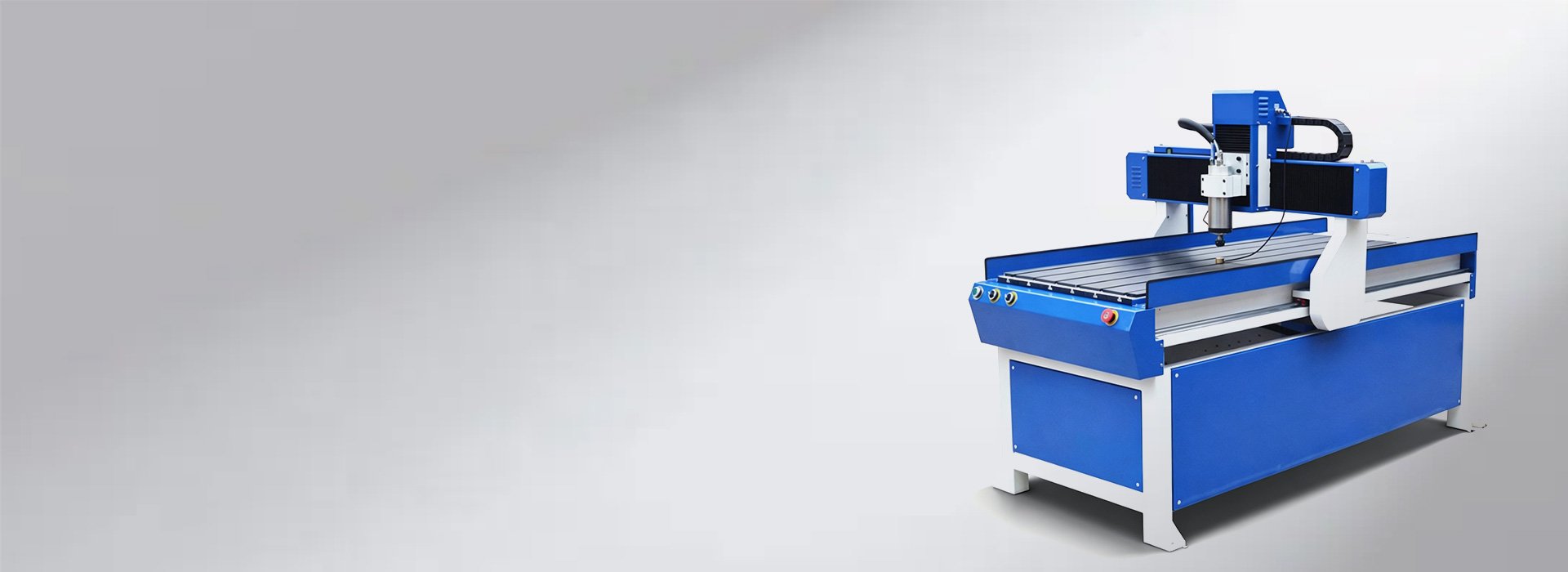
Acrylic CNC Router Manufacturer
MC Acrylic CNC routers feature a digital control system combined with a high-speed rotary cutter for cutting acrylic sheets. Our machines not only enable the processing of intricate patterns but also ensure dimensional consistency. The edges of the acrylic cut by these machines are smooth.
We offer acrylic CNC routers in various sizes to meet your production needs – from prototyping to mass production. We also provide customization options, including tool magazine configurations, worktable types, and rotary axes. Please feel free to contact us if you have any needs.
Types of MC Acrylic CNC Routers
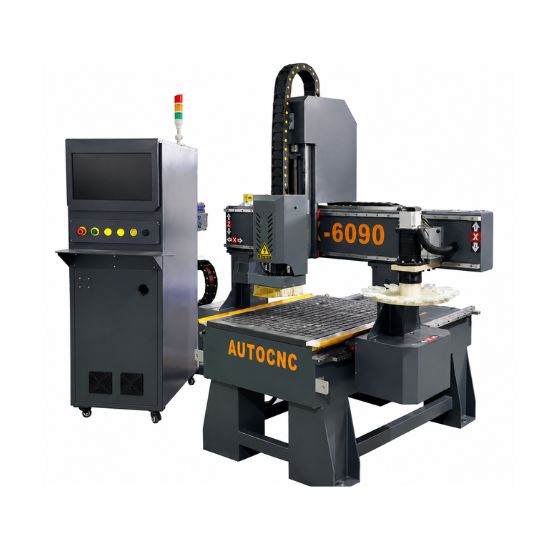
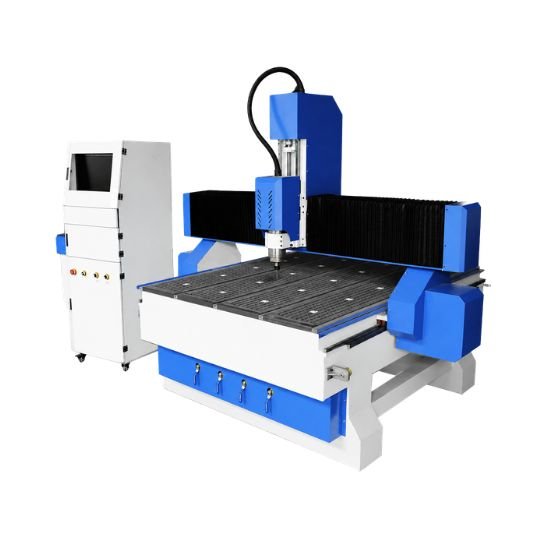
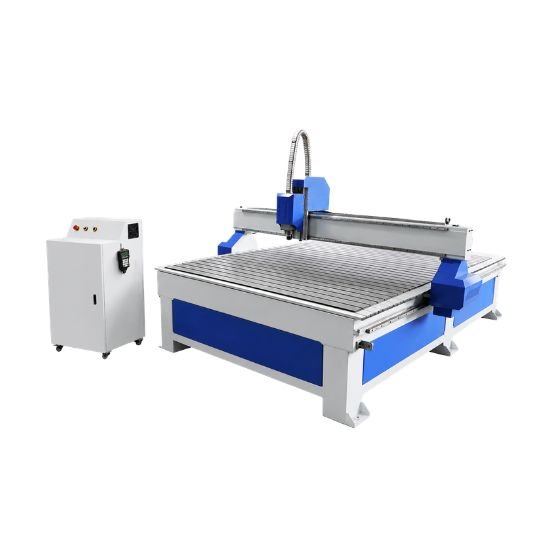
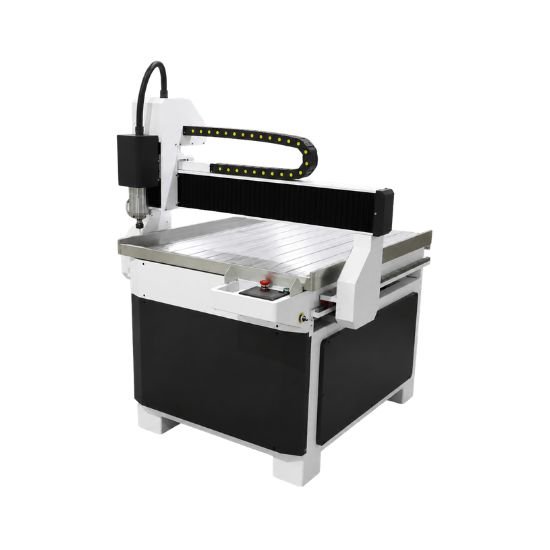
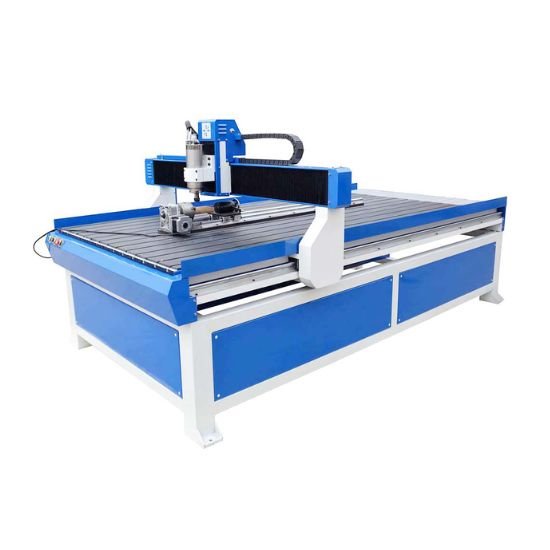
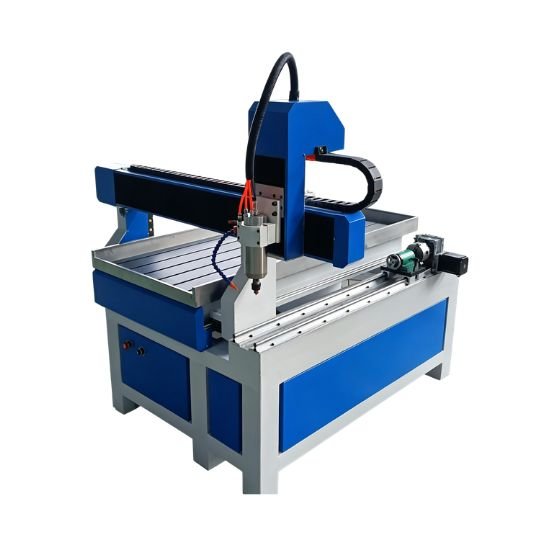
Why Choose Our Acrylic CNC Routers?

High-rigidity frame, precision drive system, precise dimensions, and high positioning repeatability.

Burr-free edges, no chipping or whitening, no secondary sanding or polishing required.

Optimized toolpaths, fast operation, reduced downtime, and higher output per unit time.

Automatic oil lubrication, reduced wear, stable operation, and extended service life.
Compatible with Multiple Materials
In addition to cutting acrylic, the MC Acrylic CNC router can also cut PVC, PA, wood panels, soft metals, and special materials. Since our machines are equipped with a CNC system, you can adjust the spindle speed and cutting depth, and quickly change tools. The entire process requires no equipment changes, saving you a significant amount of production time.
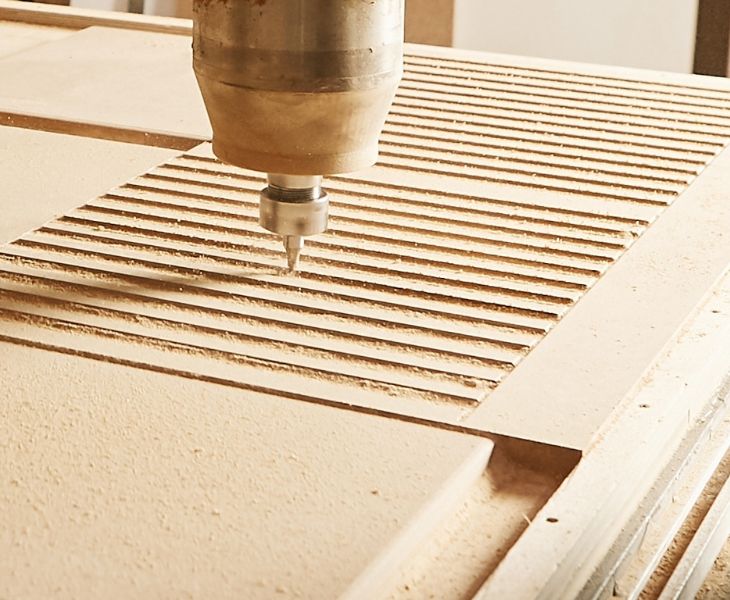
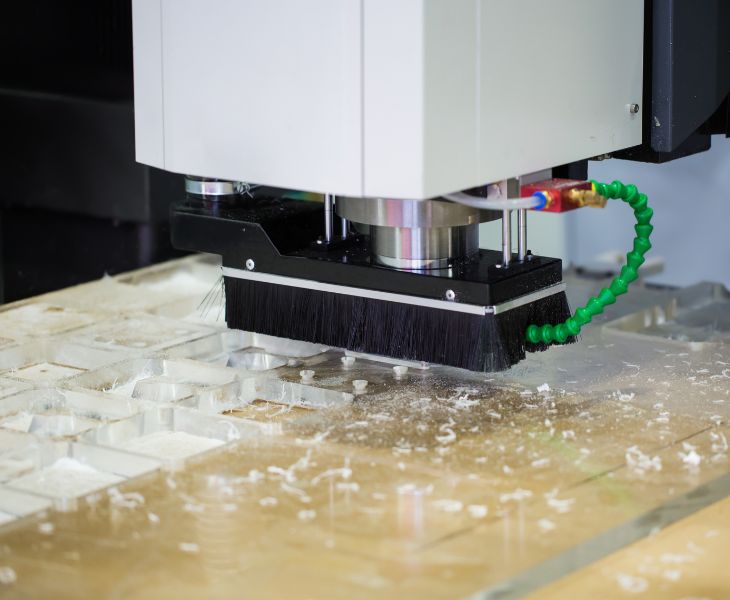
Powerful Machining Capability
The same machine model supports spindles with different power configurations. This allows you to choose the suitable spindle based on the material thickness, ensuring high cutting precision and a smooth finish.
Additionally, our equipment supports four-axis interpolation, allowing you to engrave and machine directly on curved surfaces. A four-axis linkage ensures that the tool maintains the optimal cutting angle, allowing you to machine complex curved surfaces in a single setup.
Highly Customizable Solutions
In addition to our standard models of acrylic CNC routers, we also offer customization services. We can tailor the machine size, spindle power, and functional configurations to meet your production needs. Furthermore, if you want to display your brand logo on the machine, we provide custom appearance designs to match your brand identity.
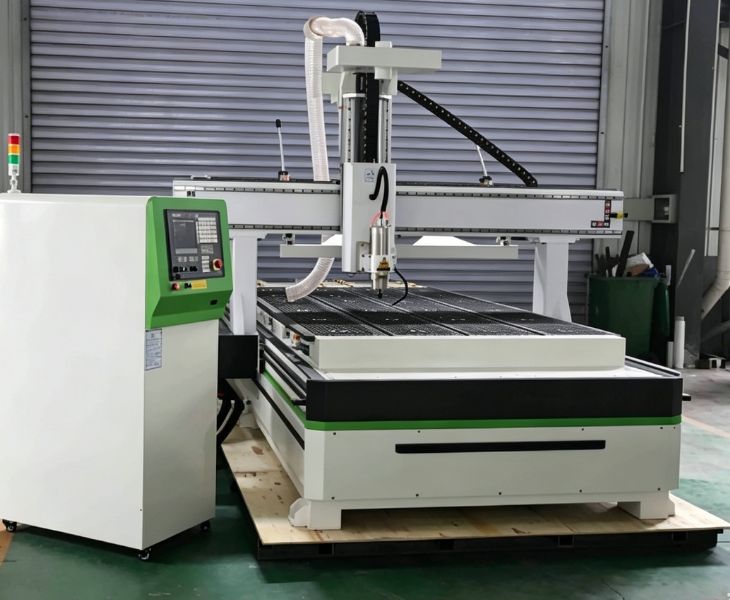
Applications of Acrylic CNC Routers
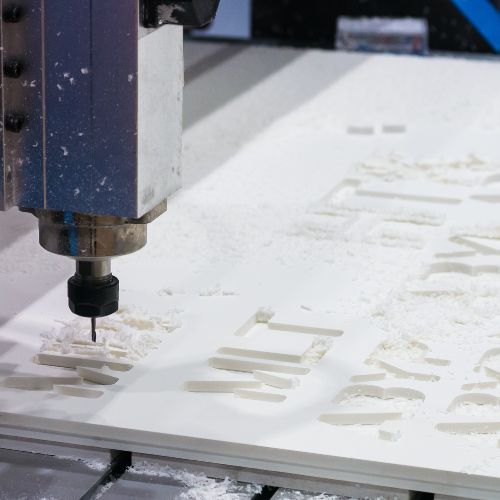
Our acrylic CNC routers can cut products such as illuminated letters, directional signs, and acrylic crystal letters. The cut surfaces produced by our machine are smooth and burr-free, eliminating the need for secondary polishing. Additionally, it enables high-precision cutting of small letters and numerals, ensuring that the edges remain clean and burr-free.
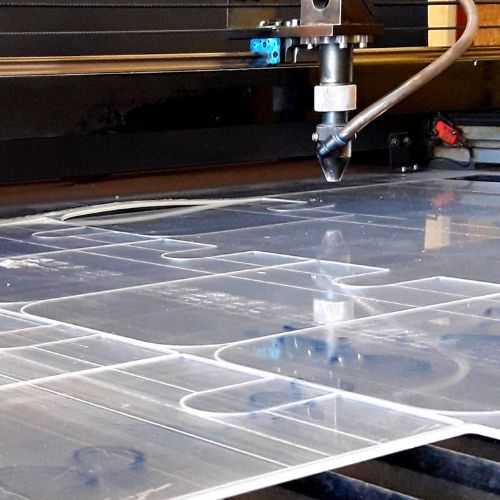
Products such as acrylic display stands and brochure holders are usually assembled from multiple acrylic sheet components, requiring high cutting precision and smooth edge quality. Equipped with high-speed spindles, our acrylic CNC routers deliver efficient machining with minimal burrs and thermal edge deformation.
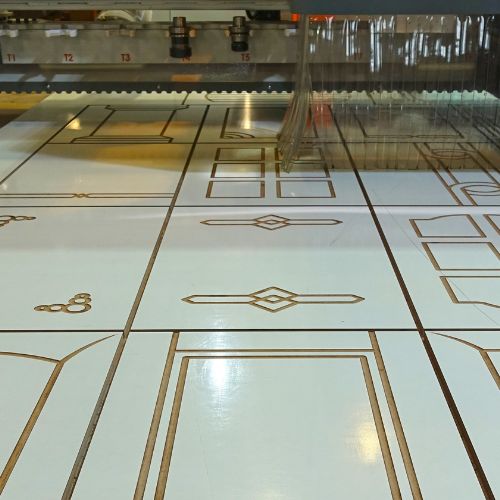
If you cut materials for furniture such as tables, chairs, and lampshades, you need to avoid scratches because these products have high aesthetic requirements. Our cutting machine prevents scratches with a zoned vacuum clamping system and a PVC protective mat.
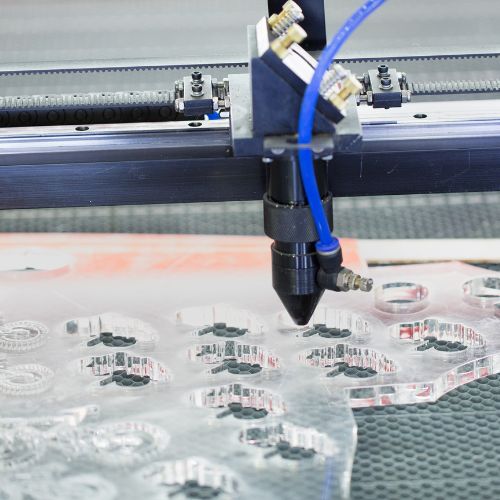
Industrial parts require strict tolerance control, high dimensional consistency, and excellent positioning accuracy. To avoid jamming or misalignment during assembly, the parts must be cut with high dimensional accuracy. Our machines feature CNC control systems that compensate for mechanical errors, enhancing cutting accuracy.
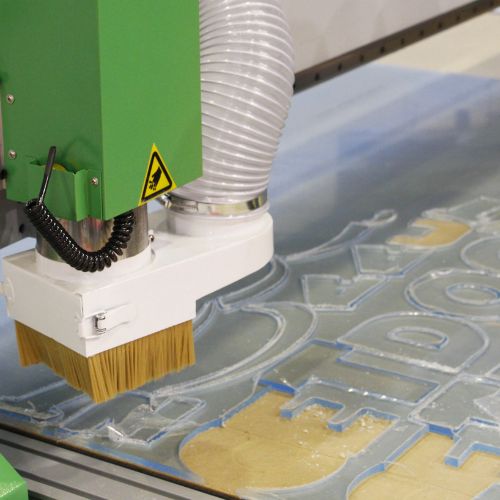
This type of sheet material is usually used to create architectural models and miniature models with curved surfaces, so thinner sheets are preferred. Therefore, you must avoid excessive friction during cutting, which may cause material melting. To help you prevent melting, our acrylic CNC routers automatically adjust the spindle speed and feed rate to optimal levels.
Specification of Acrylic CNC Routers
- General Technical Specifications
- Model Comparison
| Items | Specification |
| Table Size | 800×900 mm – 1300×2500 mm |
| Working Travel (X/Y/Z) | 600×600 mm – 1300×2500 mm |
| Spindle Power | 1.5 kW – 5.5 kW |
| Spindle Type | High-speed electric spindle |
| Spindle Speed | 6,000 – 24,000 rpm |
| Positioning Accuracy | ±0.05 mm |
| Max. Rapid Speed | 10 – 30 m/min |
| Max. Working Speed | 5 – 20 m/min |
| Drive System | Stepper motor / Servo motor |
| Transmission | High-precision ball screw + linear guide rail |
| Table Structure | Zoned vacuum table with PVC protection mat |
| Dust Collection Port | Ø100–150 mm |
| Model | Working Area | Applications |
| MC-8090 | 800 × 900 mm | Precision acrylic parts, square workpieces |
| MC-9060 | 900 × 600 mm | Small crafts, display stands |
| MC-9012 | 900 × 1200 mm | Medium-sized signs, panels |
| MC-1212 | 1200 × 1200 mm | Small to medium signage |
| MC-1224 | 1200 × 2400 mm | Full-sheet cutting, high-volume production |
| MC-1325 | 1300 × 2500 mm | Large acrylic components |
The higher the power of an acrylic CNC cutting machine, the greater the cutting thickness it can handle. Our machines can cut acrylic up to 50 mm thick. A standard cutting machine can handle acrylic thicknesses of 20–40 mm. However, if you choose a high-power spindle, the machine can reliably cut 50 mm-thick sheets.
Acrylic CNC routers support both engraving and cutting operations on a single machine. You simply need to design the engraving and cutting paths in a single processing file, and the router will execute the instructions accordingly. If you need to perform both cutting and engraving simultaneously, we offer dual-spindle acrylic CNC cutters.
Under normal machining conditions, our acrylic CNC cutting machines produce smooth cuts with no noticeable burrs. Therefore, secondary polishing is not required. However, if your product requires a high degree of transparency, you may need to sand it.
Our acrylic CNC cutting machines can last 10 to 20 years with proper use. To extend the machine’s lifespan, you should perform regular maintenance. You need to clean the machine regularly, applying lubricant, and checking the wear-prone parts. Additionally, you should keep the machine in a dry, clean environment to prevent dust and moisture damage.
Wear-prone parts of an acrylic CNC cutting machine include engraving tools, spindle carbon brushes, guide rails, couplings, and certain electrical components. These parts are typically subject to continuous operation or repetitive motion during use. Therefore, these wear-prone parts should be replaced regularly to extend the machine’s service life.
Acrylic Cutting Process
Sheet Material Fixing
First, place the acrylic sheet on the worktable and secure it using the zoned vacuum table. For smaller workpieces, you can use auxiliary clamps or double-sided tape to hold them in place and prevent them from shifting.
Parameter Setup
Acrylic CNC routers support preset parameters. All you need to do is import your design files into the control software, then set the spindle speed and cutting depth according to the sheet thickness. The machine will then run the cutting process automatically.
Tool Selection
- Single-flute spiral cutter: Mainly used for cutting thick acrylic sheets. The tool reduces burn marks during processing and delivers a smooth, high-gloss edge finish.
- Double-edged router bit: These bits offer structural rigidity and are suitable for cutting thin acrylic or multi-layer acrylic sheets.
- V-shaped bit: You can use this to engrave text on the acrylic.
- Small-diameter flat-bottom bit: With its fine diameter, this tool allows you to engrave hollow patterns and machine small holes.
Automatic Cutting
Once the program starts, the acrylic CNC routers will follow the programmed toolpath and cut in multiple passes. For thicker sheets, a multi-pass cutting method is used to prevent chipping. After the cutting is finished, the tool retracts to a safe position, and you can remove the finished workpiece.
Differences Between CNC Cutting and Laser Cutting Acrylic
Different Cutting Finishes
The cut edges produced by an acrylic CNC router do not yellow or darken, but may show slight tool marks. If you need a very smooth finish, you may need to sand them. In contrast, laser-cut acrylic edges are smooth, but high cutting temperatures can cause scorching along the edges.
Different Cutting Thicknesses
CNC acrylic cutters can handle a wide range of sheet thicknesses, delivering consistent cutting results for both thin and thick sheets. Laser cutting, on the other hand, is better suited for thinner acrylic sheets. When cutting thick sheets, laser cutting is slower and prone to charring.
3D Machining Capability
Acrylic CNC routers support four-axis machining, so they can perform 3D engraving. If you want to create complex structures such as reliefs, chamfers, and grooves, we recommend choosing an acrylic CNC router. Laser cutters are mainly used for flat-surface cutting and cannot perform 3D engraving.
How to Choose a Suitable Acrylic CNC Router
Sheet Thickness
If you want to cut thin sheets with a thickness of 15 mm or less, you only need to choose a standard-power acrylic CNC cutting machine. For sheets thicker than 15 mm, you should choose a cutting machine with a robust frame to ensure stable cutting. Additionally, you need to choose a high-power spindle to ensure cutting efficiency and to prevent router overload or tool breakage.
Accuracy and Structural Design
Standard advertising lettering and signage do not require high cutting precision, so an acrylic CNC cutting machine with a standard positioning system will suffice. However, for acrylic display stands or crafts that require high precision, you should use an acrylic CNC router equipped with high-precision linear guide rails. This type of machine offers high repeatability and produces smooth cutting surfaces.
Processing Types
If you need to machine acrylic parts with complex shapes, 3D relief patterns, or chamfers, you must use a CNC cutting machine that supports multi-axis motion. Only multi-axis cutting machines can achieve three-dimensional surfaces and relief textures in a single pass. Standard 2.5-axis cutting machines are incapable of performing three-dimensional cutting.