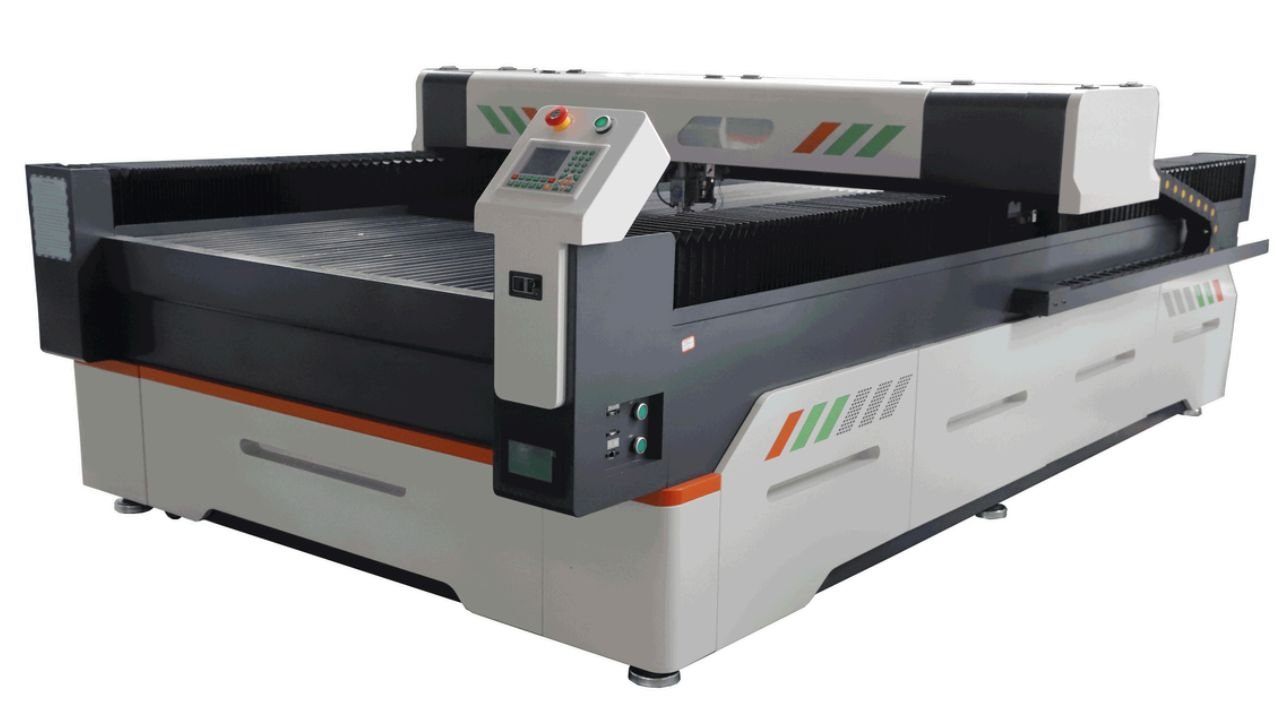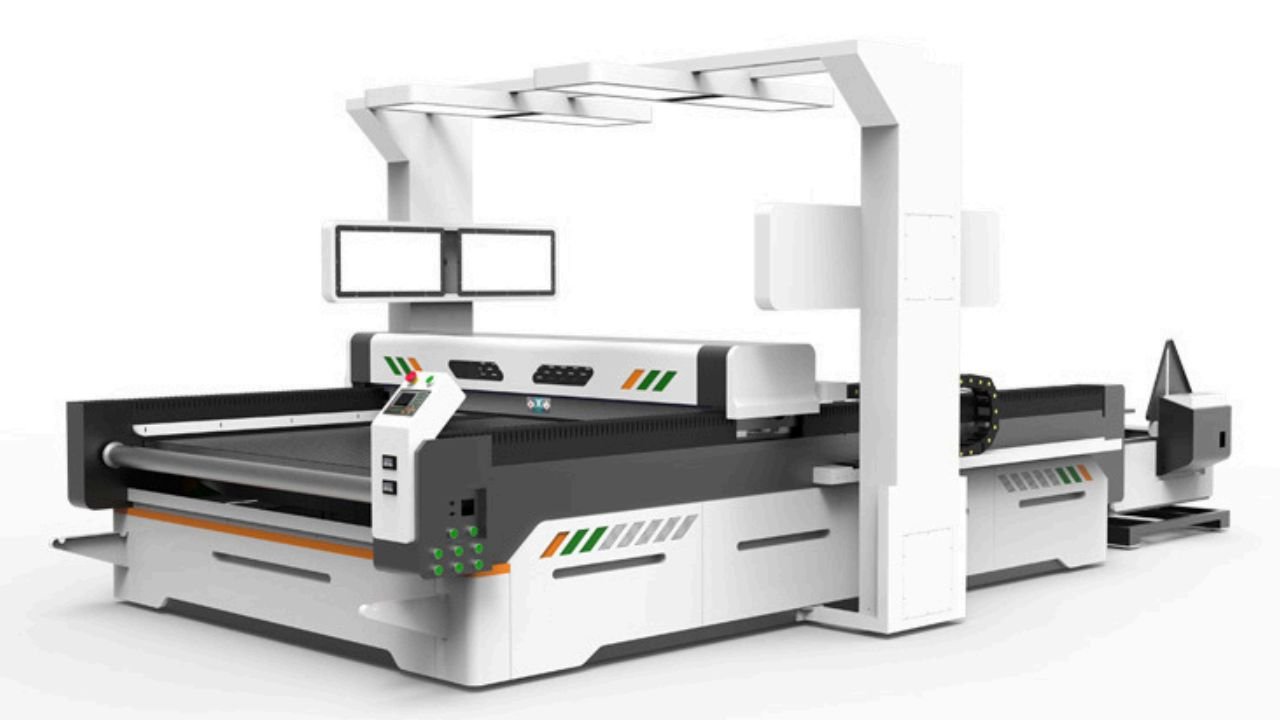
Whether you run a furniture factory or a woodworking workshop, you have probably considered purchasing a CNC machine for woodworking. But have you encountered such a condition: The prices of CNC machines range from several thousand dollars to over a hundred thousand dollars. So, how much should you spend? Let’s talk about this question.
What Affects CNC Machine for Woodworking Costs?
The price of a CNC woodworking machine is mainly influenced by the following factors.
Size of Woodworking CNC Machine (Working Table Area)
This is the most direct factor. The larger the workbench is, the larger the workpiece it can process, and the higher the specifications of the machine structure, transmission system, guide rails, and motors.
| Working Area | Typical Machine | Best For | Typical Price Range |
| Desktop (Approx. 300 × 400 mm) | Desktop CNC Router | Crafts, signs, prototypes, hobby projects | USD2,000- USD5,000 |
| 6090 (600 × 900 mm) | Small CNC Router | Cabinet doors, small furniture parts, and woodworking workshops | USD3,000- USD8,000 |
| 1212 (1200 × 1200 mm) | Mid-Size CNC Router | Custom furniture, decorative panels, and door carving | USD3,500- USD10,000 |
| 1325 / 4 × 8 ft (1300 × 2500 mm) | Standard CNC Wood Router | Furniture manufacturing, cabinet production, door processing | USD4,500- USD20,000 |
| Large Format (2000 × 4000 mm and above) | Industrial CNC Router | High-volume panel processing, automated production lines | USD7,500- USD30,000 |
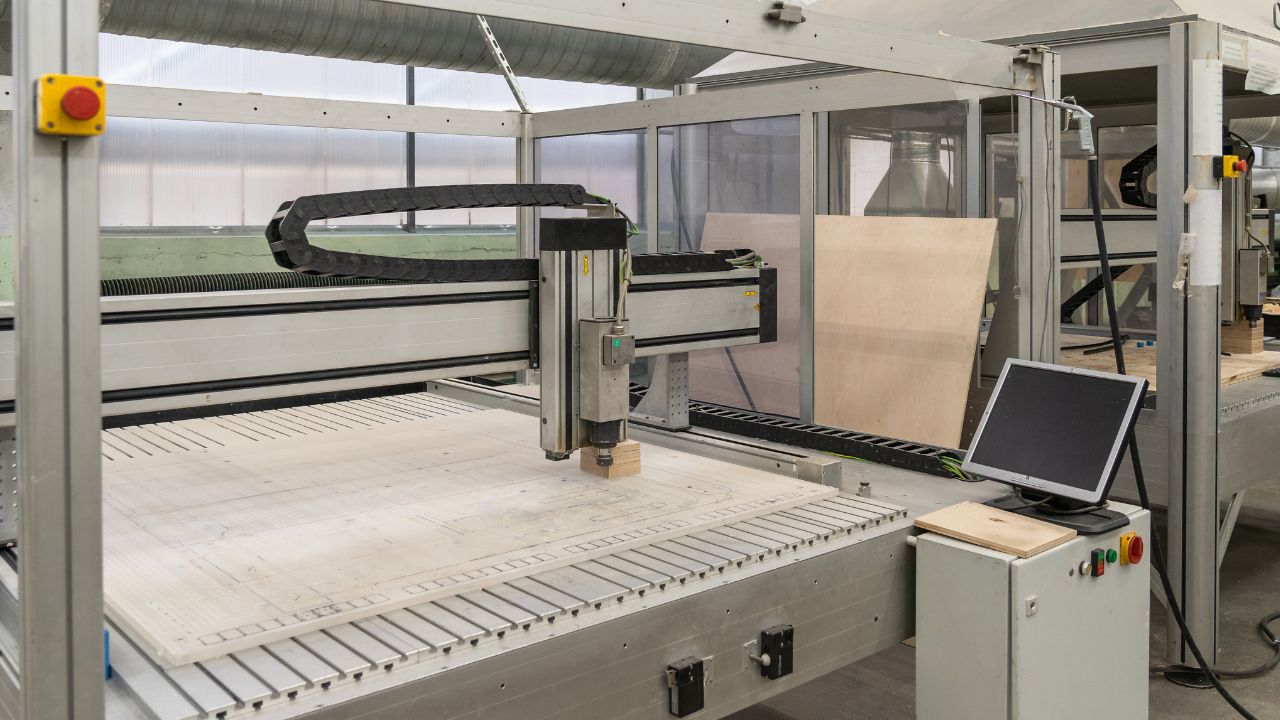
4×8 feet (1325) is the most common specification used in furniture factories and cabinet manufacturers. This specification can process standard boards, has the highest cost-effectiveness, and offers the most available brands and configurations on the market.
Spindle Configuration
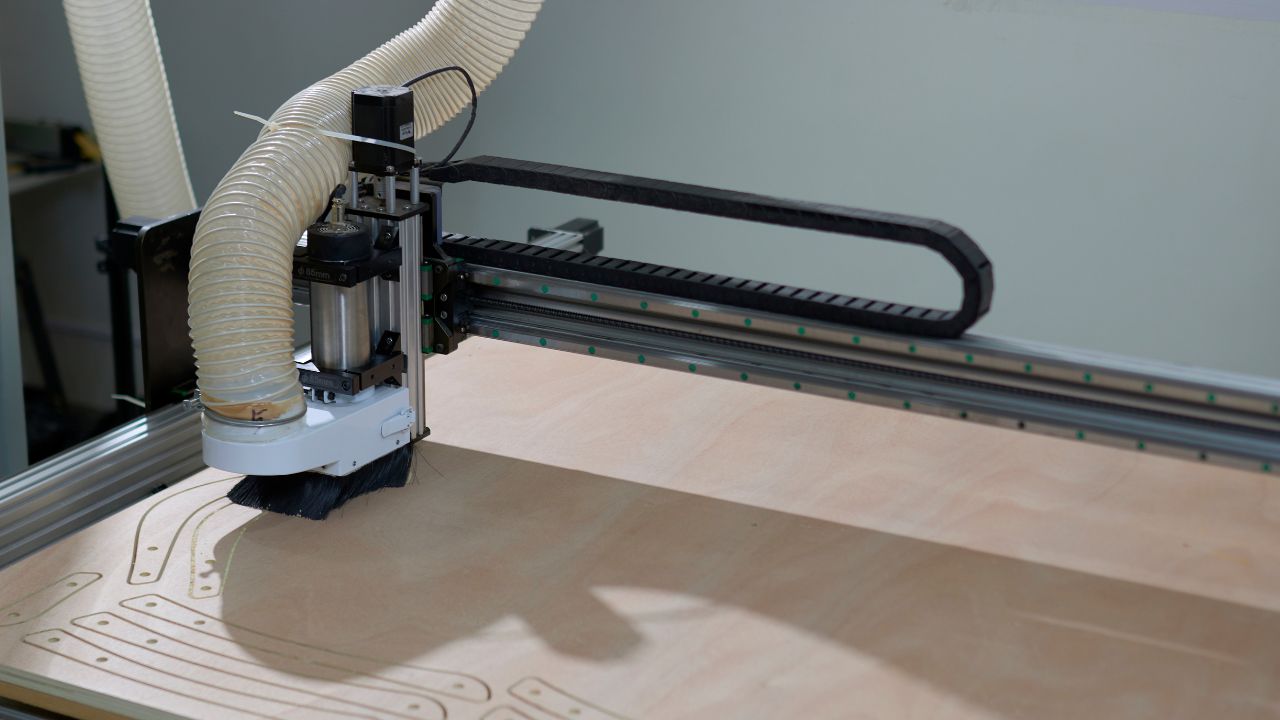
The spindle is the core component of a CNC machine for woodworking. You can imagine it as the engine of a car.
The main parameters of the main shaft are power (kW) and cooling method:
- Air-cooled spindle: Lower price, suitable for light cutting and intermittent processing
- Water-cooled spindle: Operates more quietly and is suitable for long-term continuous processing.
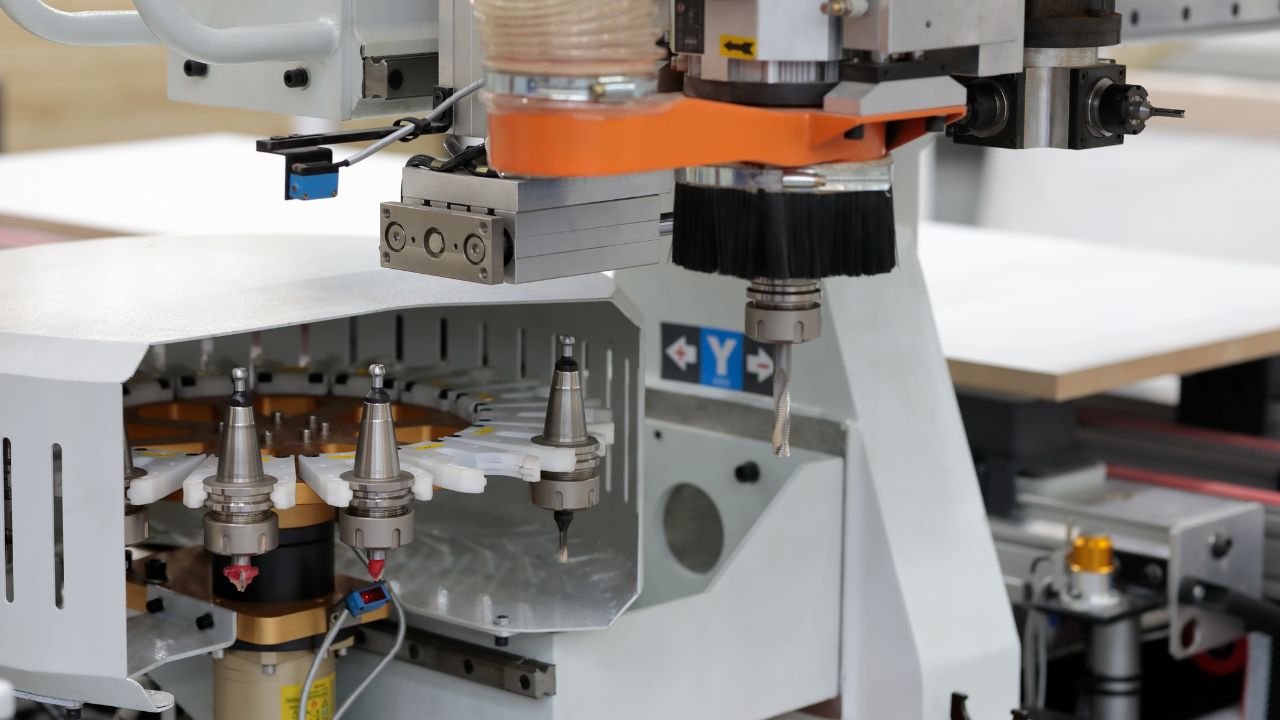
- Automatic Tool Changer Spindle (ATC): Can automatically change the tool during the processing, at the highest price.
The spindle power usually ranges from 3kW to 12kW. The higher the power, the faster the processing speed, and the harder the materials that can be processed.
Control System
The control system determines the operational experience and stability of the woodworking CNC machine. Here are three common types:
| Controller Type | Key Features | Best For | Relative Cost |
| PC-Based Controller | Full functionality, broad software compatibility, real-time toolpath preview | Most woodworking shops, furniture and cabinet manufacturers | Medium |
| DSP Controller | Operates without a computer, compact, easy to use | Entry-level CNC routers, small workshops, and on-site machining | Low |
| Industrial All-in-One Controller | Highest stability, supports ATC, high precision, designed for continuous production | Industrial machining centers, automated production lines | High |
Currently, computer control is the most popular choice in the woodworking industry. DSP is often chosen by small workshops with limited budgets. Integrated control is suitable for factories that pursue high stability and automation.
Transmission System and Motor Configuration
The accuracy and durability of the equipment are determined by the transmission system.
Ball Screw Transmission: High precision, long service life, suitable for precision processing.
Rack and Pinion transmission: Fast speed, can be used for large-scale processing
Screw drive usually costs more than rack drive, but it offers better precision. Equipment with a size of 4×8 or larger typically uses a rack drive to ensure processing speed.
As for motors, servo motors have higher precision, faster response, and more stable operation than stepper motors, but cost more accordingly.
Automation Configuration
The prices of equipment for automation and functional configuration are significantly higher, but automation configuration undoubtedly brings high production efficiency and capacity.
| Feature | Function | Best For | Cost Impact |
| Automatic Tool Changer (ATC) | Automatically changes tools for multi-step machining | High-volume production, multi-process woodworking | High |
| Vacuum Table | Securely holds workpieces during machining | Cabinet manufacturing, MDF, and panel processing | Medium |
| Automatic Loading & Unloading System | Automates material loading and unloading | Large-scale production, automated production lines | High |
| Automatic Tool Setter | Automatically measures tool length for accurate machining | High-precision woodworking and frequent tool changes | Medium |
| Safety Enclosure / Dust Cover | Improves operator safety and helps contain dust | All woodworking workshops | Low |
Automatic Tool Changer (ATC) is one of the most worthwhile automated configurations. It can automatically switch between different tools and complete continuous processing of multiple procedures, significantly reducing the need for manual intervention.
Brand and Manufacturing Quality
Prices differ a lot due to different brands.
Well-known brands of CNC machine for woodworking usually employ stronger steel structures for the fuselage, more precise guide rails, and more stable control systems. A higher price brings you stability and accuracy during long-term operation.
The advantages of a high-quality body:
- Better accuracy retention after long-term operation.
- The machine body has less deformation during re-cutting.
- Longer lifespan.
Price is not the only factor to consider. But a cheap device often requires fixing, which costs more than the former.
CNC Machine for Woodworking Prices by Configuration
The following are price references for different configurations (taking the 4×8 feet CNC Router as an example):
| Configuration | Typical Applications | Typical Price Range |
| Standard Configuration: 3-axis, air-cooled spindle, rack-and-pinion drive, DSP or PC-based controller | Small to medium woodworking shops, general woodworking | USD4,500- USD15,000 |
| Advanced Configuration: 3-axis, water-cooled spindle, vacuum table, ball screw or high-precision rack-and-pinion drive, PC-based controller | Furniture manufacturing, cabinet and door production | USD7,000- USD20,000 |
| ATC Configuration: 3-axis, automatic tool changer (ATC), vacuum table, industrial controller | High-volume production, multi-process machining | USD12,000-USD30,000 |
| 4-Axis / 5-Axis Configuration: Multi-axis machining for complex 3D carving | 3D wood carving, mold making, complex curved components | USD15,000-USD80,000 |
| Industrial Production Line: Automatic loading & unloading, nesting software, integrated production line | Large-scale custom furniture and cabinet manufacturing | USD18,000-USD50,000 |
The price of a standard 4×8-foot CNC Router often ranges from USD4,500 to USD15,000. This is the most common configuration range chosen by most factories.
Hidden Costs of CNC Machine for Woodworking You Should Know
The woodworking CNC machine purchase price is just the first step. These hidden costs must also be taken into account before your purchase.
Freight Charges and Installation Fees
A large woodworking CNC machine is usually transported by sea or land, and the freight cost may range from several hundred to several thousand dollars. Installation and commissioning also require professional operation. Some suppliers offer installation, while others charge separately.
Power Transformation
Industrial-grade CNC equipment for woodworking usually requires a 380V/three-phase power supply. If your workshop does not have three-phase electricity, you need to hire a professional electrician to modify the wiring.
Tools and Handles
Woodworking CNC machine will consume tools. A basic set of tools (flat-end tools, ball-end tools, V-shaped tools, etc.) costs approximately $200 – $500. The tools will wear out and need to be replaced regularly. The cost of tools is a long-term expense, and the larger the order volume, the more frequent the replacement.
Training and Personnel Costs
The equipment requires operators. Although a woodworking CNC machine is more automated than traditional woodworking equipment, it still requires personnel to complete the design, programming, and loading/unloading processes. The training costs may be included in the equipment price or calculated separately.
Cost of CAM software
The computer-controlled woodworking CNC machine requires CAM software to generate the processing paths. Professional software such as ArtCAM, Aspire, and AlphaCAM usually need to be purchased separately or subscribed annually. The prices range from several hundred dollars to several thousand dollars.
Dust Collection System
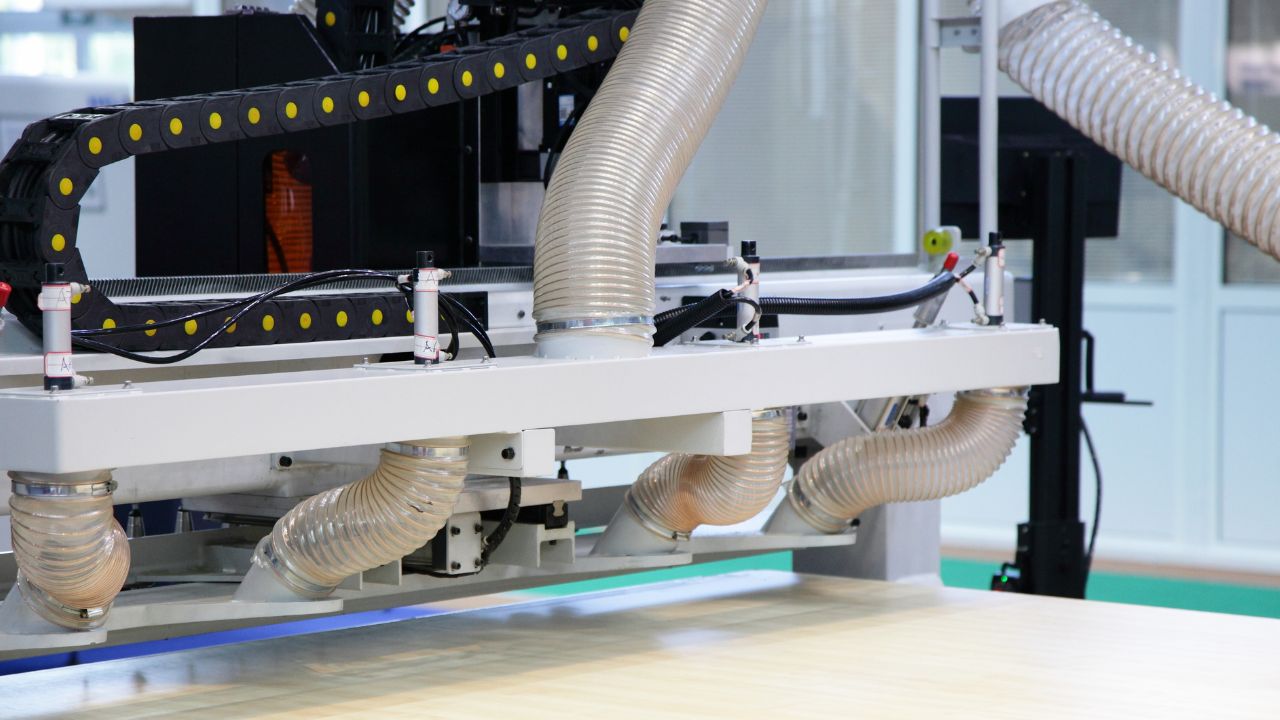
Woodworking CNC machine processing generates a large amount of wood chips and dust. A dust collector is necessary. A dust collection system suitable for CNC costs approximately $500 to $2,000.
Power Transformation
An industrial-grade woodworking CNC machine usually requires a 380V/three-phase power supply. If your workshop does not have three-phase electricity, you need to hire a professional electrician to modify the wiring.
Daily Maintenance and Care
Regular lubrication of the guide rails and screw rods, replacement of the coolant (for water-cooled spindles), cleaning of the equipment, and regular calibration of accuracy are all maintenance costs that need to be considered. The costs are not high, but they cannot be ignored.
The total cost for the first year of a standard CNC Router is approximately 1.2-1.4 times the purchase price. If your equipment quote is $15,000, it would be more prudent to prepare a budget of $18,000 – $21,000.
Is a CNC Machine for Woodworking Worth the Investment?
This is a question often asked. The answer depends on your order structure and current production way.
CNC equipment has its specific benefits. You can compare these benefits that we give you with your own situation to judge.
The Cost of Labor Has Decreased
A woodworking CNC machine can replace 2 to 4 skilled carpenters doing the manual cutting and engraving work. Taking the US market as an example, a skilled carpenter earns approximately $3,000 – $5,000 per month. But if you buy a $15,000 CNC machine, it can recoup costs within a few months.
Increase in Material Utilization Rate
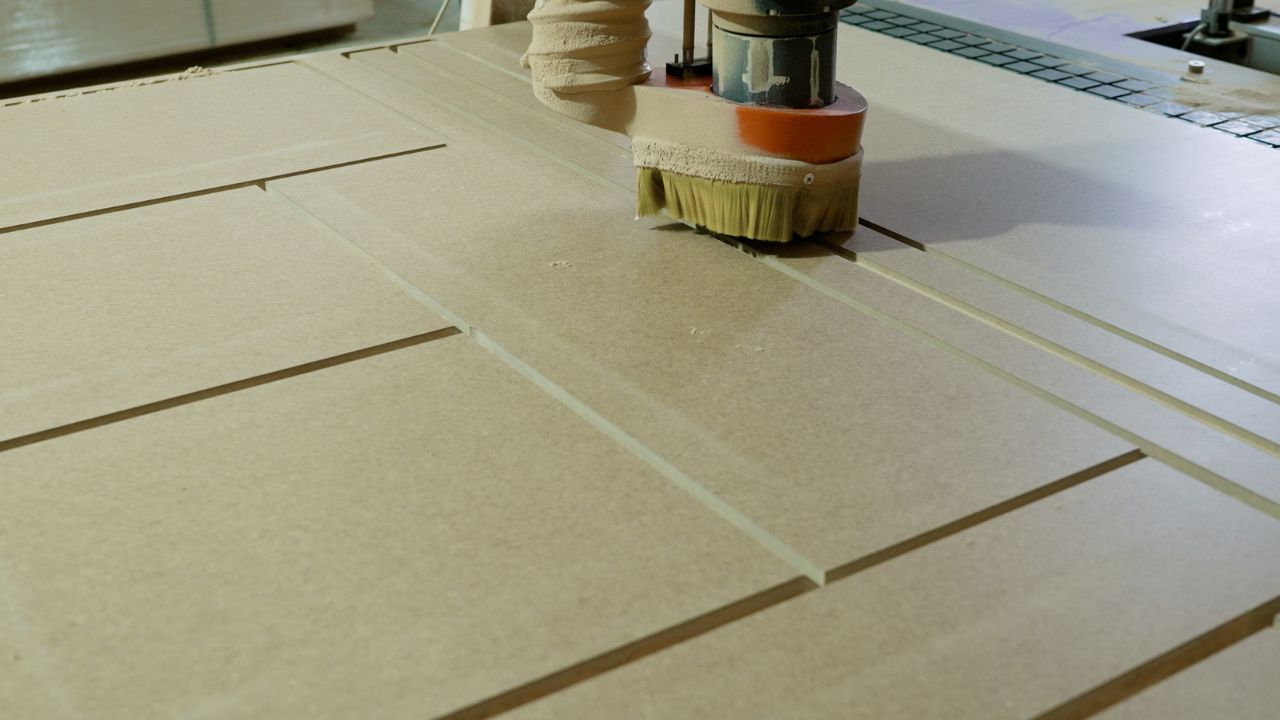
The material utilization rate for manual cutting is usually between 70% and 80%. Cooperating with CNC and Nesting (automatic layout) software, the rate can even reach 85% to 95%. For expensive raw materials such as MDF and solid wood, this can save considerable costs.
Product Consistency and Quality Improvement
The components processed manually are inevitably subject to minor deviations. However, each component processed by CNC has the same size. For products that require assembly (such as cabinets and furniture), the consistency of the parts means fewer assembly problems and rework. Customer satisfaction will also be higher.
Improved Order-Taking Ability
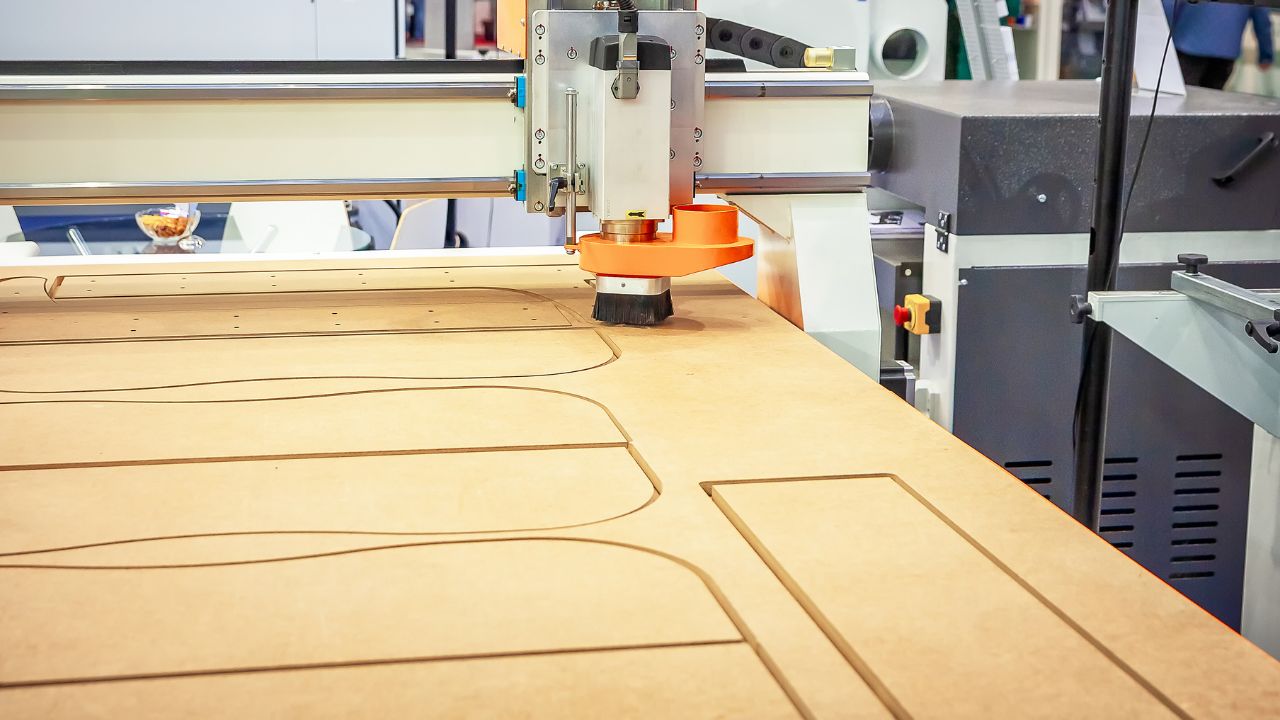
With CNC technology, you can handle more complex custom orders. Tasks such as engraving, special-shaped cutting, and 3D relief, which are difficult to accomplish manually, can be easily accomplished by CNC. This will bring you higher average order value and more high-profit orders.
Shortened Delivery Time
The processing speed of CNC is much faster than that of manual work. For instance, CNC can complete a carving that would take a carpenter a whole day in just one hour. Shortening the delivery time means you can take on more orders or make shorter delivery commitments to customers.
Investment Return Cycle Reference
- Small woodworking factory (1 standard CNC Router): 6 – 12 months
- Medium-sized furniture factory (1 ATC CNC machine): 12 – 18 months
- Large factory (with multiple production lines): 18 – 24 months
With a properly-configured CNC machine, the investment can usually be recovered within 6 to 18 months.
How to Choose the Right CNC Machine for Woodworking
Don’t just focus on the price. We give you five steps that can help you make a choice.
Step 1: Determine Your Processing Dimensions
Ask yourself such a fundamental question: What is the maximum size of the sheet material that I’m processing?
The standard size of cabinet doors is usually less than 4×8 feet. Such a size will suffice for your needs. If you are working on large furniture or construction components, a larger workbench will be more suitable.
Too small sizes can not cut the large board. If too large, the equipment cost and the floor space will both increase. Thus, a prudent method is that you can select the size according to your largest commonly used board size.
Step 2: Clearly Define Your Processing Requirements
Do you mainly do 2D cutting or 3D carving?
Is it necessary to have multi-process automatic tool changing and rotating-axis processing for cylindrical workpieces?
If the main operation is cutting of panel furniture, a standard 3-axis CNC Router will suffice. If complex 3D relief or solid wood engraving is required, at least a 4-axis configuration should be chosen. If the production volume is large and there are multiple processes and steps, ATC can significantly enhance efficiency.
Step 3: Assess Your Production Scale
How many sheets of material are processed each day?
Is the current order volume stable?
Will there be an increase in order volume in the next 6-12 months?
Small-batch customization: A standard woodworking CNC machine is sufficient. Large-scale production: Consider using ATC or automatic loading/unloading systems. Equipment selection should meet current needs and take into account future business growth.
Step 4: Calculate the Budget and Operating Costs
Both the purchase price and the hidden costs should be taken into account.
Don’t choose too small equipment or too low configuration due to a tight budget. The cost of upgrading the equipment in the future may be much higher than buying the right configuration in the first place.
Step 5: Confirm the After-Sales Support of the Supplier
Woodworking CNC machine is a long-term asset. After-sales support has a big influence on the service life of your equipment. You should ask these questions before buying.
- How long is the warranty period? Which components are covered by the warranty?
- Is the supply of spare parts timely?
- Are there local technical support personnel available?
- How are system updates and technical support charged for?
- Offer installation and operation training or not?
If possible, choose a brand with local service support or authorized dealers. When the equipment has a problem, a quick response is more important than any other parameter.
FAQ
After the CNC Machines for Woodworking Are Sent to the Foreign Factory, Can We Ask the Factory Staff to Come and Install Them On-Site?
Theoretically, it is possible, but there are certain prerequisite conditions. We offer detailed installation instructions or provide online technical guidance. If necessary, we can also assign technicians to provide on-site services, but you will be responsible for covering expenses such as accommodation, meals, transportation, and training fees.
Do Spare Parts and Consumables of Woodworking CNC Machine Have to Be Purchased from the Original Manufacturer? Can Domestic Substitutes Be Used Instead?
The price of original factory spare parts is usually 2-3 times that of third-party alternatives. Some common components (such as tools, bearings, and seals) can use reliable third-party substitutes, but the core components of the control system are recommended to be purchased from the original manufacturer. The main risk of substitutes is compatibility issues. Incompatible parts may cause equipment failures and are not covered by the warranty.
The prudent approach is: general consumables (tools, lubricants, filters) can use third-party brands with high cost-effectiveness. Core components such as control boards, drives, and spindles should be purchased from the original manufacturer.
Is It Possible to Make Payments in Installments When Purchasing a Woodworking CNC Machine?
Usually, a one-time payment is required for settlement. Installment payment is not supported. Our ordering mode is as follows: a deposit is paid before production, and the final payment is settled before the completion of production and shipment. Therefore, it would be best for you to confirm whether you have sufficient cash flow before placing the order, so that you can make the payment for the deposit and the final payment in a timely manner to ensure full delivery.
Customizing Furniture in Small Quantities – Is It Cost-Effective to Purchase a Woodworking CNC Machine?
It’s cost-effective. The biggest pain point of small-batch custom furniture production is the lack of standardized molds and templates. The advantage of CNC lies precisely in the fact that there is no need for molds; changes in design only require modifying the files.
For a custom cabinet project, CNC cutting is several times faster than manual cutting, and it has higher precision and fewer reworkings. For a business model with small batches and multiple varieties, the value of a woodworking CNC machine is more obvious compared to mass production.
Do I Need to Spend Extra Money on the Software for the Woodworking CNC Machine? How Long Will It Take to Learn?
Most devices come with basic software or offer basic licensing, but you often need to purchase advanced features and third-party CAM software separately. The prices range from a few hundred to several thousand dollars.
The time of training operators usually needs 1-2 weeks. 1-3 months of practical experience are needed to become proficient in programming. Remember to confirm whether the software license is perpetual or subscription-based before buying.
Final Thoughts
The price differences of CNC machines for woodworking stem from the various combinations of factors such as workbench size, spindle configuration, control system, degree of automation, and brand quality. If you have any further questions, please feel free to contact us.