
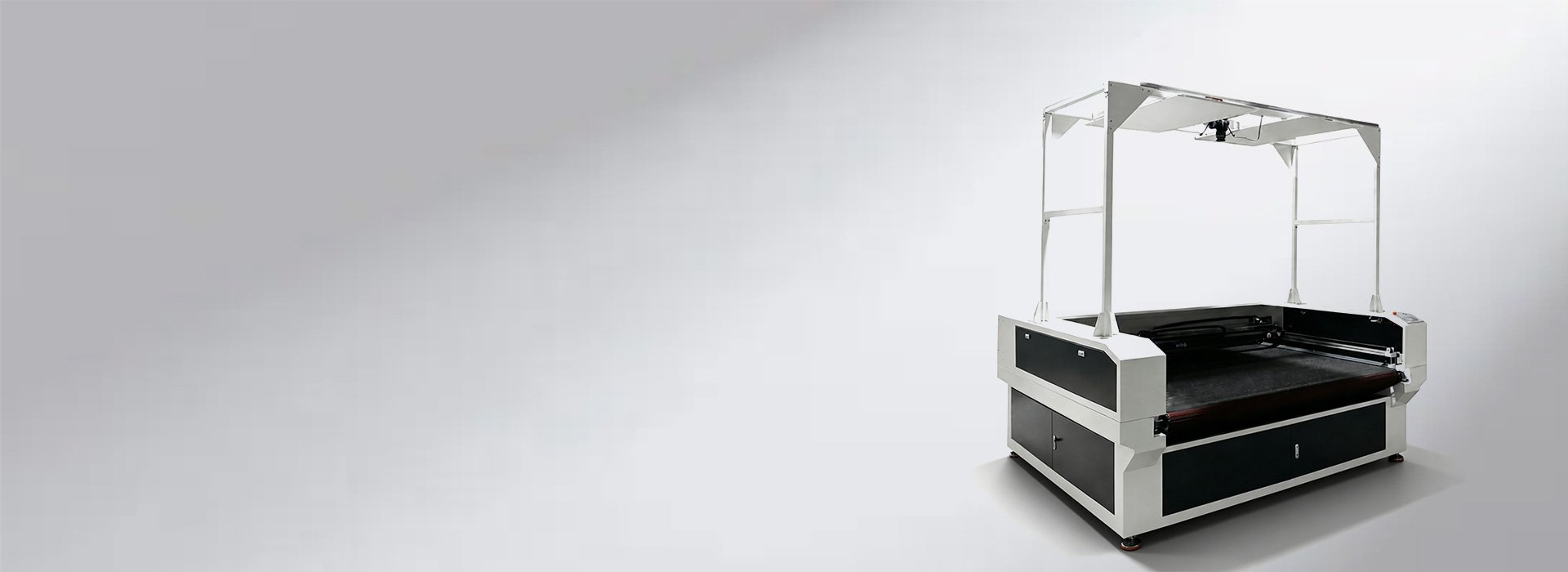
Your Reliable Fabric Laser Cutting Machine Supplier
MC fabric laser cutting machine is an automated cutting equipment dedicated to the processing of textile fabrics and flexible materials. We can help you complete the requirements of complex graphics and mass production more efficiently.
Through contactless laser processing, our fabric laser cutting machine can guarantee a neat edge of fabric and reduce raw edges and errors when cutting materials such as cloth, leather, polyester, and so on. For complex patterns and personalized custom processing, we can also provide you with stable and consistent cutting quality.
If you want to improve the processing efficiency of fabrics, optimize the cutting quality, and achieve more stable automated production, welcome to contact MC. We will provide you with customized solutions for fabric laser cutting machine.
Types of MC Fabric Laser Cutting Machine
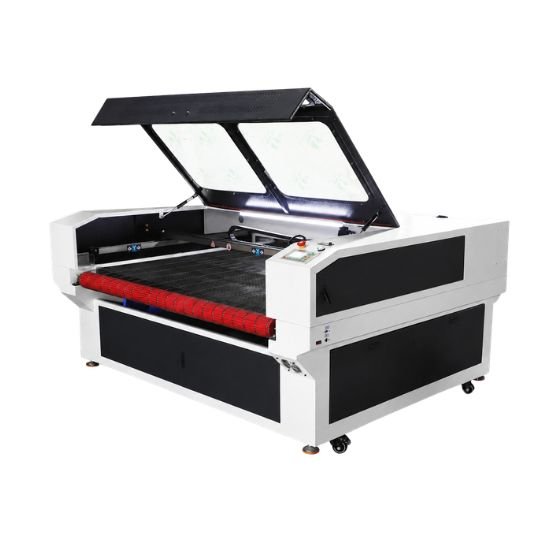
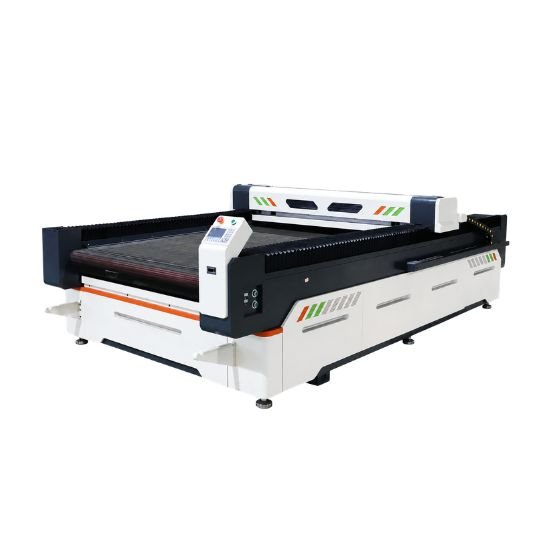
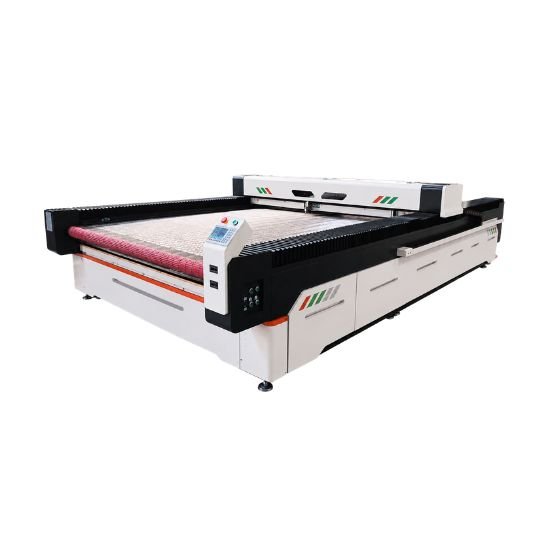
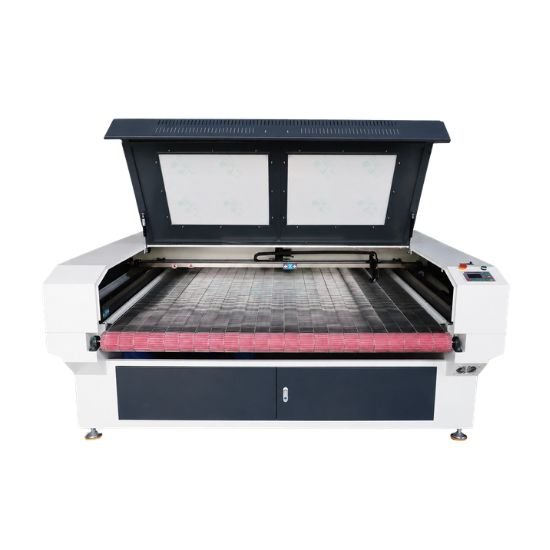
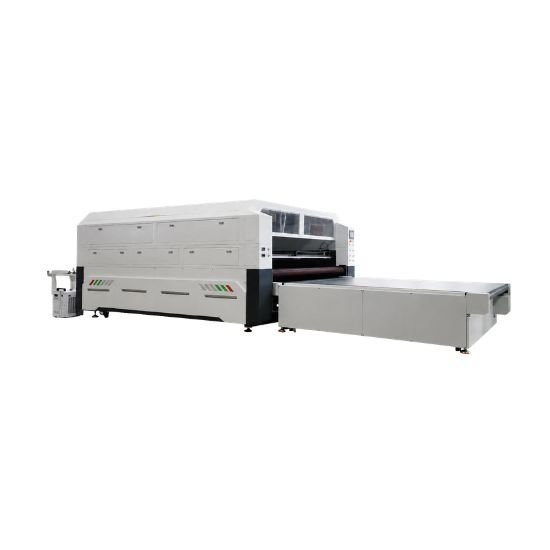
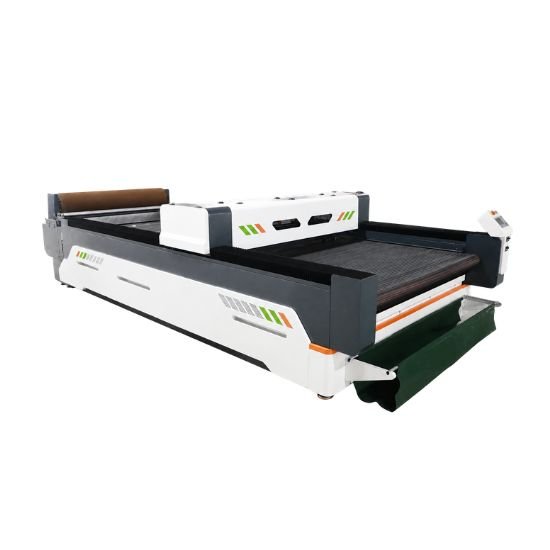
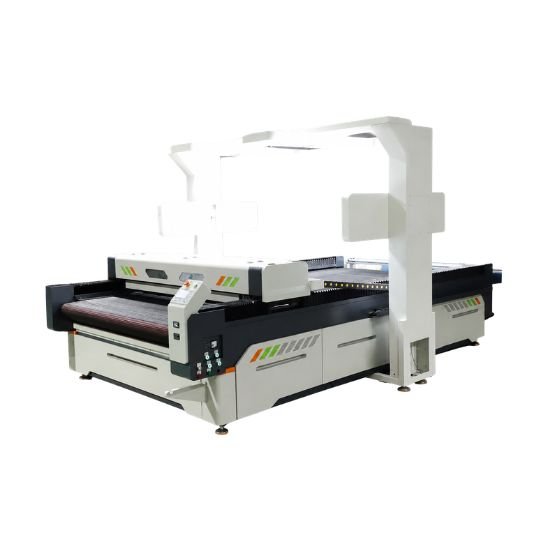
Features of the MC Fabric Laser Cutting Machine

The non-contact processing method can effectively avoid fabric deformation and raw edges, saving production time.

Suitable for polyester, cotton, leather, denim, non-woven fabric, and various industrial textile materials.

Contactless processing helps keep the fabric’s original structure without extruding or deforming the material.

No need to change knives or direct contact with materials. The working environment is neat and easy to clean.
Automated Conveying System
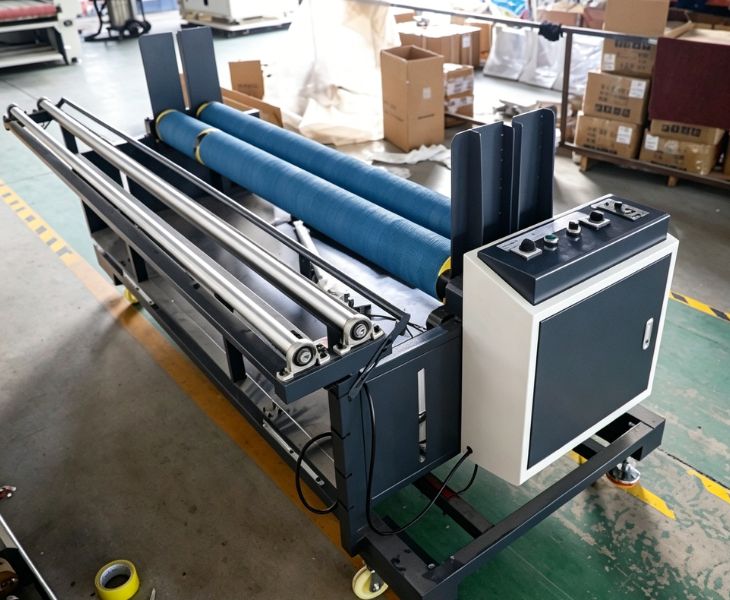
The MC textile laser cutting machine is equipped with an automated conveying system and is designed for continuous processing of coils. Our textile laser cutting machines benefit from deformation-free, tension-free material delivery and can continuously process ultra-large format paper with the help of seamless cutting. It is widely used in industries that require automated production, such as clothing manufacturing, sportswear processing, home textiles, and industrial textiles.
High-Speed Continuous Cutting
MC CO2 fabric laser cutting machine adopts a high-speed motion control system. It keeps a stable operational performance, even during prolonged periods of continuous processing. For complex graphics and high-volume production tasks, our CO2 textile laser cutting machine can also achieve smooth and stable cutting results and consistent processing quality. High-speed continuous cutting can help you shorten the production cycle and complete order delivery faster and better.
Professional Camera System
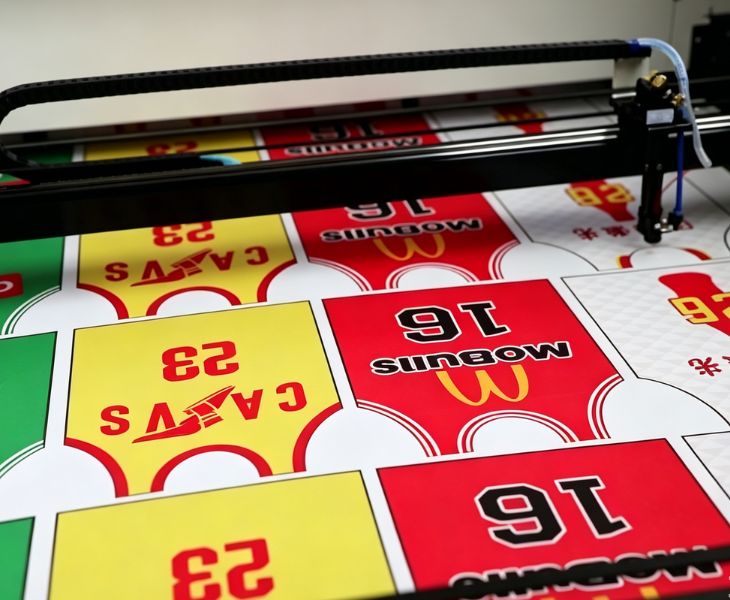
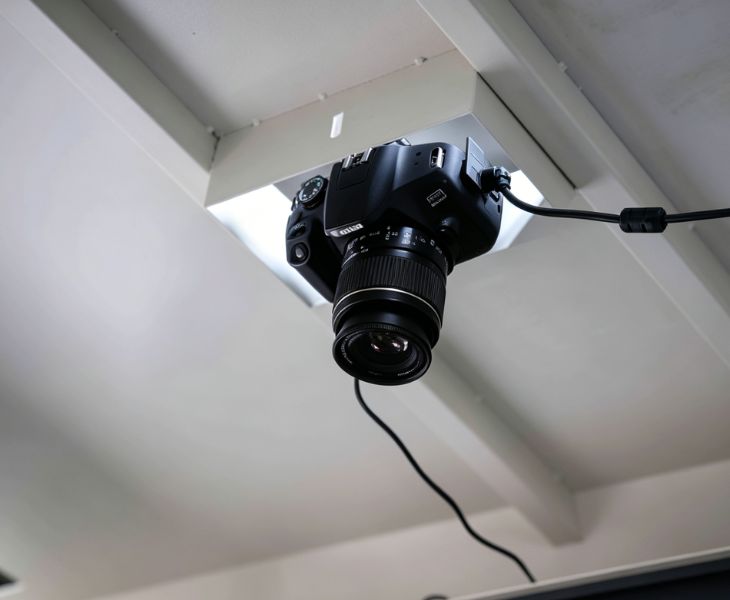
The MC fabric laser cutting machine has a POS and a professional camera positioning system. It can scan the entire area and is mainly used for the accurate cutting of printed textiles. Reduce manual positioning errors through a process manager that collects job data through QR codes and barcodes. The camera system can effectively improve cutting results, material utilization, and consistency in processing complex patterns.
Applications of the MC Fabric Laser Cutting Machine
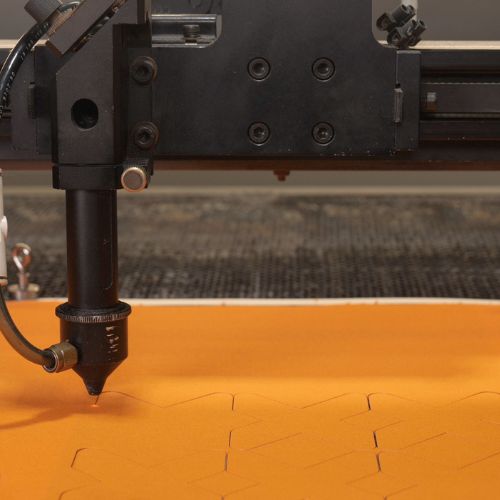
MC fabric laser cutting machine is able to cut complex graphics, improve production efficiency, and reduce the use of fabric. Widely used in garment production, and suitable for mass production and customized processing.
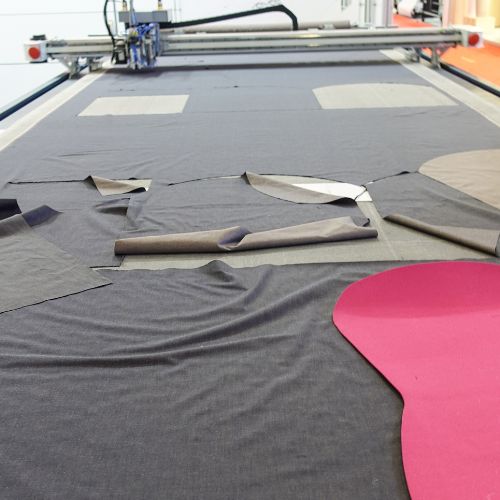
In the home textile industry, our fabric laser cutting machine can be used for cutting and processing textiles. For example, curtains, bedding, and sand-based fabrics. Achieves a clean and consistent cutting edge.
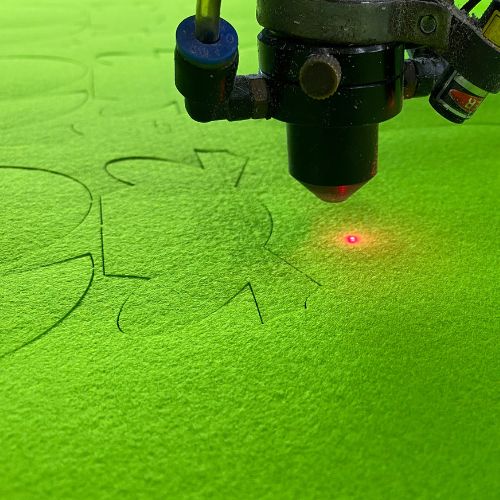
In the automotive field, MC fabric laser cutting machine can be used for cutting and processing car seat fabric and interior fabric. Contactless machining guarantees clean cutting edges and meets the strict quality standards of the automotive industry.
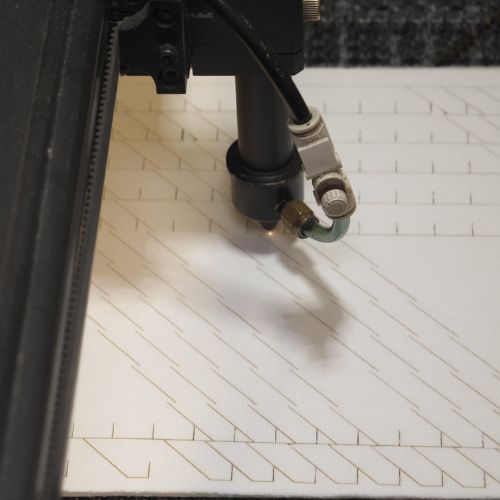
In the aerospace sector, MC fabric laser cutting machines can be used for processing technical textiles, protective materials, and composite materials, providing stable cutting performance.
- Fabric Laser Cutting Machine Specification
| Parameter | Specification |
| Machine Type | Fabric Laser Cutting Machine |
| Laser Type | CO2 Laser |
| Laser Power | 80w/100w/130w/150w/280w/300w |
| Cutting Speed | 0–1200mm/s |
| Working Area | 1600×1000mm / 1600×3000mm |
| Engraving Speed | 0–2000mm/s |
| Working Platform | E-shapes blade mesh conveyor belt |
| Feeding System | Automatic Feeding System Optional |
| Cooling System | Water Cooling |
| Drive System | Servo Motor / Stepper Motor |
| Control System | DSP Intelligent Control System |
| Supported File Formats | AI / PLT / DXF / BMP / DST |
| Software Compatibility | CorelDRAW / AutoCAD / Photoshop |
| Vision System | CCD Camera Optional |
| Voltage | 220V / 380V |
Fabric laser cutting machines can safely cut most common textile fabrics. For example, polyester, cotton, denim, leather, nonwoven, nylon, and various synthetic fiber materials. However, not all fabrics are suitable for fabric laser cutting machines. Different materials have different melting points, coating compositions, and heat resistance properties. These can affect the quality of the cut edge and the speed of processing. Also, please avoid using PVC, vinyl-coated fabrics, or blended fabrics of unknown composition, which can release harmful gases when heated by textile laser cutting machines and harm your health.
During operation, you should wear special protective glasses to guarantee that the work area has a good smoke extraction and ventilation system to reduce the impact of smoke and harmful gases. Meanwhile, you also need to clean the laser head and lens regularly to avoid dust and cotton wool accumulation that affects processing accuracy or creates safety hazards. Before the equipment is operated, you will also need to check the work area for debris and confirm that the laser system, electrical connections, and equipment grounding are in good condition. Besides, it is recommended that you familiarize yourself with the equipment configuration to avoid being unattended during operation, so as to guarantee a safer and more stable production environment.
Fabric laser cutting machines can seal the edges of many synthetic fiber fabrics. During the laser cutting process, the heat generated by the laser will form a certain heat sealing effect on the edge of the material, thereby achieving a neater and smoother cut edge without additional edge locking treatment.
But natural fibers melt differently and don’t create the noticeable heat-sealing effect that polyester materials do. So, the cutting edge of the textile cutter will still have wear. By means of a rational fabric weaving and surface treatment process, the quality of the cut edges can be further improved, and the generation of raw edges can be reduced.
No. Laser cutting of fabrics does not damage the fabric as long as the correct parameters are set. During operation, the laser heats the edge banding while cutting, which helps prevent the fabric from fraying. The problem usually only occurs if the parameters and power are incorrect. Besides, the reaction of different fabrics to laser heat will vary depending on the material and thickness. Polyester fabrics often achieve a neater hot-air edge effect, while natural fibers require adjustment of processing parameters. To have a clean cut, it is recommended that you test it with discarded fabric first.
Traditional cutting methods easily produce raw edges and are slow to cut for complex designs. Compared with traditional knife cutting or manual cutting methods, fabric laser cutting machines use non-contact laser processing technology, which can achieve precise and consistent processing results, process and cut complex shapes, and bring cleaner edges and less material consumption.
What is A Fabric Laser Cutting Machine?
A fabric laser cutting machine is an automated piece of equipment that uses high-energy laser beams to process fabrics such as leather and cloth. Laser cutting can help you complete complex graphics faster than traditional manual cutting or mechanical tool cutting. Also, the cut fabric is not easily worn. This is important for fabrics that tend to unravel.
If you often have to deal with complex patterns, continuous coils, or large-volume orders during your production process, traditional cutting methods will face problems with more raw edges and inconsistent cutting. The fabric laser cutting machine can achieve a flatter and more precise cutting effect without extruding the material through non-contact processing. It is very suitable for clothing, home textile, and industrial textile industries with unique design and high processing quality requirements.
Key Components of the Fabric Laser Cutting Machine and Their Role
A fabric laser cutting machine is composed of several key components, each of which plays an important role in the cutting process. So, when you choose equipment, understanding the core components and their roles can help you better judge whether the equipment’s performance can meet actual production requirements and achieve more accurate and efficient cutting.
Laser Source
The laser source is the core part of the entire device. It is mainly responsible for generating the high-energy laser beam required to cut fabrics and for completing the cutting process of fabrics. For the textile industry, CO2 laser sources are the most widely used, and these lasers are known for their high efficiency in cutting organic materials.
Optical System
The optical system is responsible for focusing and directing the laser beam onto the material. This is important to keep the quality of the cuts you need.
Motion Control System
A motion system is usually composed of a motor and a drive mechanism. It guarantees the laser head to move quickly and precisely on the fabric and allows the creation of complex designs and patterns with ease. Complementing the motion system is the control system, which includes software that allows you to easily design and import patterns. It coordinates the entire cutting process by converting design files into motion instructions.
Automatic Feeding System
An automatic feeding system can be used for continuous processing of coils, which can help you reduce manual loading time and improve the whole production efficiency.
CCD Visual Positioning System
The CCD vision system is able to automatically identify the print pattern or material outline, so as to enable more precise positioning and cutting. This system can help you reduce manual positioning errors and improve material utilization.
Work Platform
The working platform is used to support the processed material. Different platform structures are suitable for different types of fabric processing. For example, the conveying platform is suitable for continuous coil processing. A flatbed workbench is suitable for cutting single sheets of material with high precision.
Exhaust System
The laser cutting process generates heat and smoke. So, the cooling system and smoke extraction system are important for the stable operation of the equipment. It removes smoke and debris from the cutting process, prevents material contamination, and guarantees a clear vision of the laser.
How to Choose the Best Fabric Laser Cutting Machine for Your Business?
When choosing a fabric laser cutter, it’s not that higher power or more configurations are better for you. For many businesses, the type of fabric you use, the precision you require, and your production goals all influence your choice.
Material Compatibility
You need to be clear about your primary processing materials. Whether it is a natural fabric, such as cotton, or a synthetic fabric, such as polyester, these requirements for laser power and cutting method are not the same.
Cut Size
You should choose a machine with a large enough workbench size to accommodate the fabric size you usually use.
Laser Power
Laser power affects cutting speed and accuracy. Thicker fabrics require more power, and finer materials use less power.
Cutting and Engraving Functions
If your project requires a refined design, you’ll need to buy a machine that can cut and carve at the same time.
Cooling System
A reliable cooling system is important to keep a stable performance during equipment operation.
Software Compatibility
You need to confirm that the machine software has good compatibility with your design tools.
Price and Maintenance
You need to consider the cost of the machine and the long-term maintenance costs.