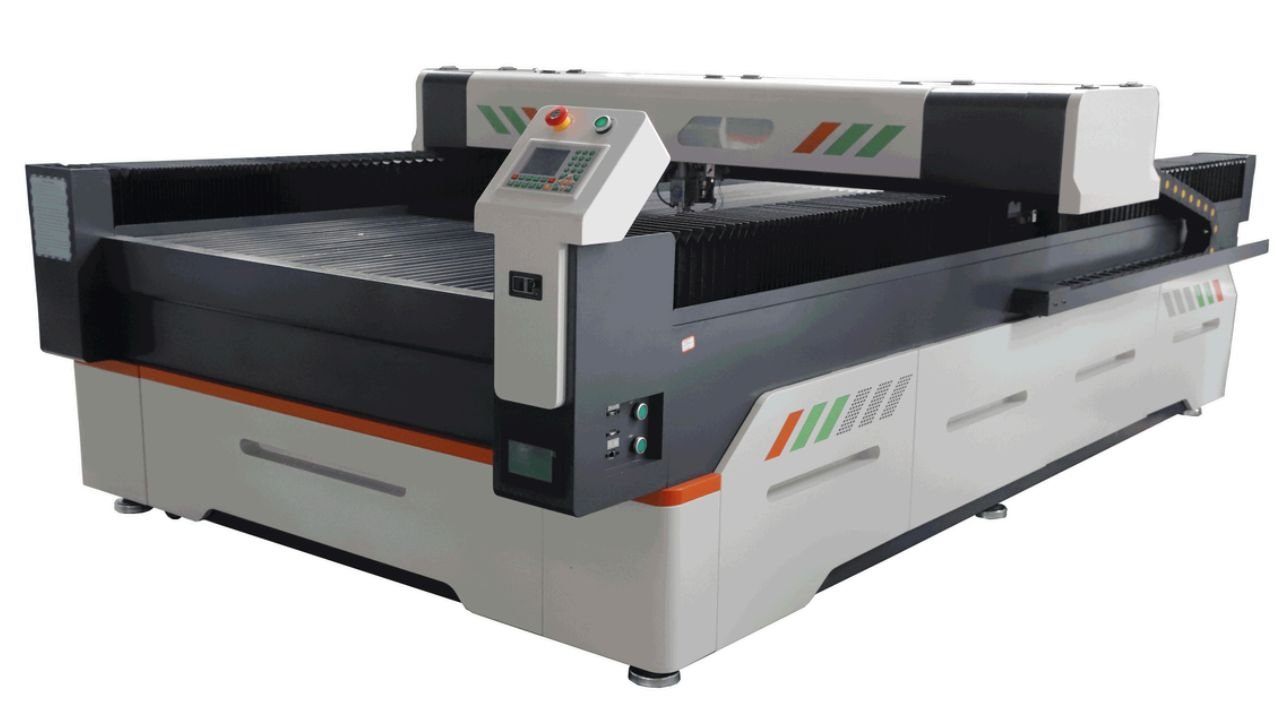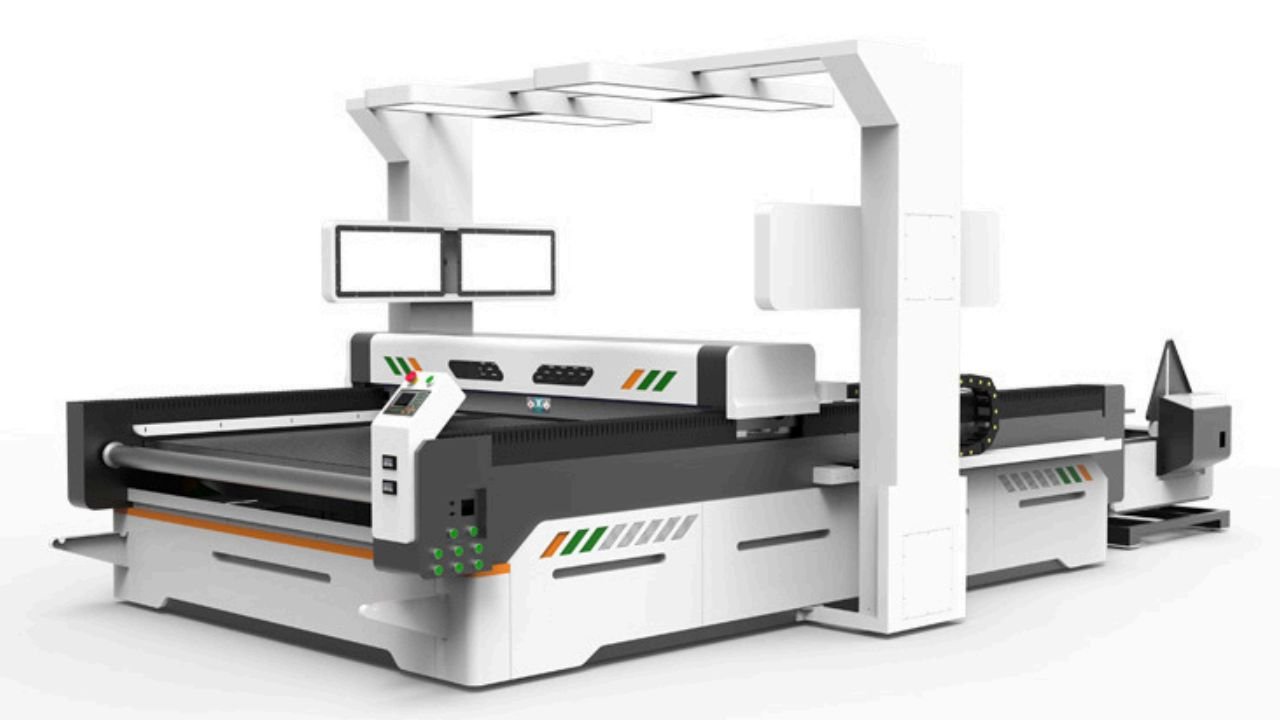
When choosing laser cutters, the machines able to solve product problems and reach expected results are the key. This article will detail the key factors to choose a device and give you a clear guide on how to choose the best laser cutter machines.
What Is a Laser Cutter?
A laser cutter is a type of industrial equipment used for cutting, engraving, and marking materials. From fabric cutting in the apparel industry to lightweight alloy components in aerospace, the laser cutter is everywhere. Based on its high precision and high efficiency, it is used to meet the needs of various industries.
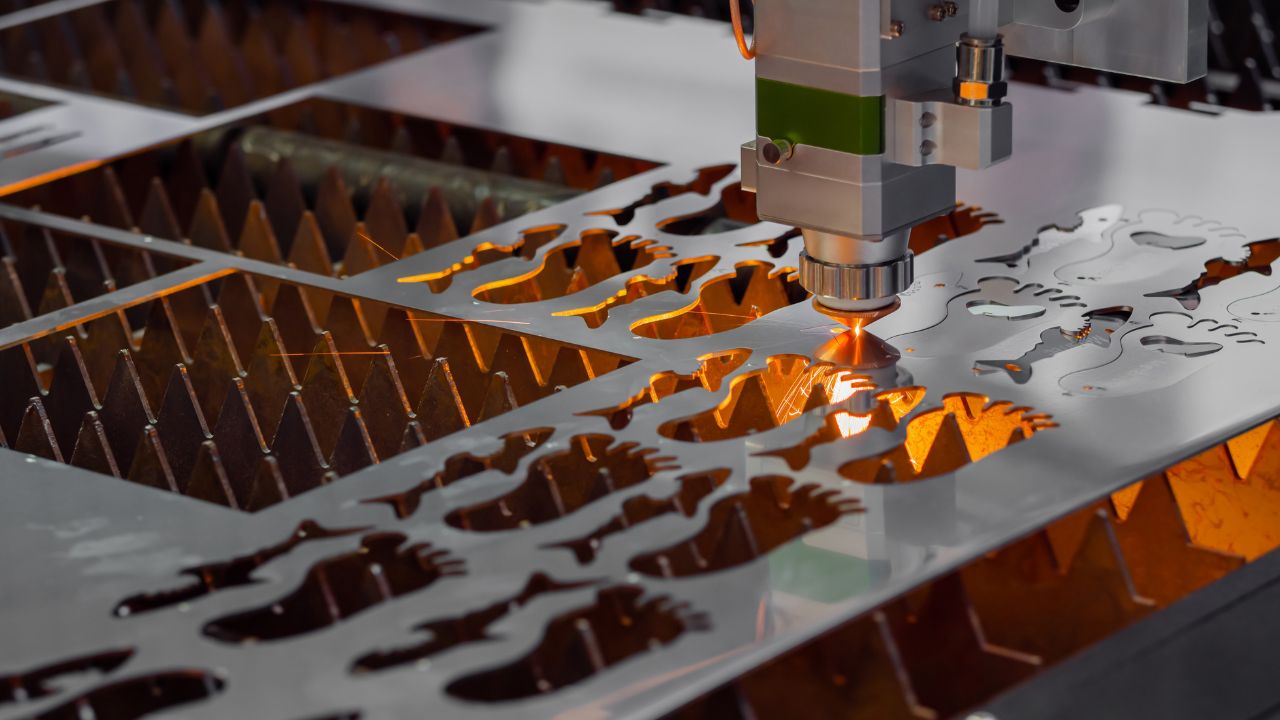
After a high-power-density laser is focused, it is directed at the material surface, and the area absorbs heat rapidly, causing a rapid temperature rise. The material is gradually melted or vaporized. Meanwhile, the laser cutter produces a high-speed airflow coaxially with the light to blow molten material away. That’s the principle of laser cutting.
Types of Laser Cutters
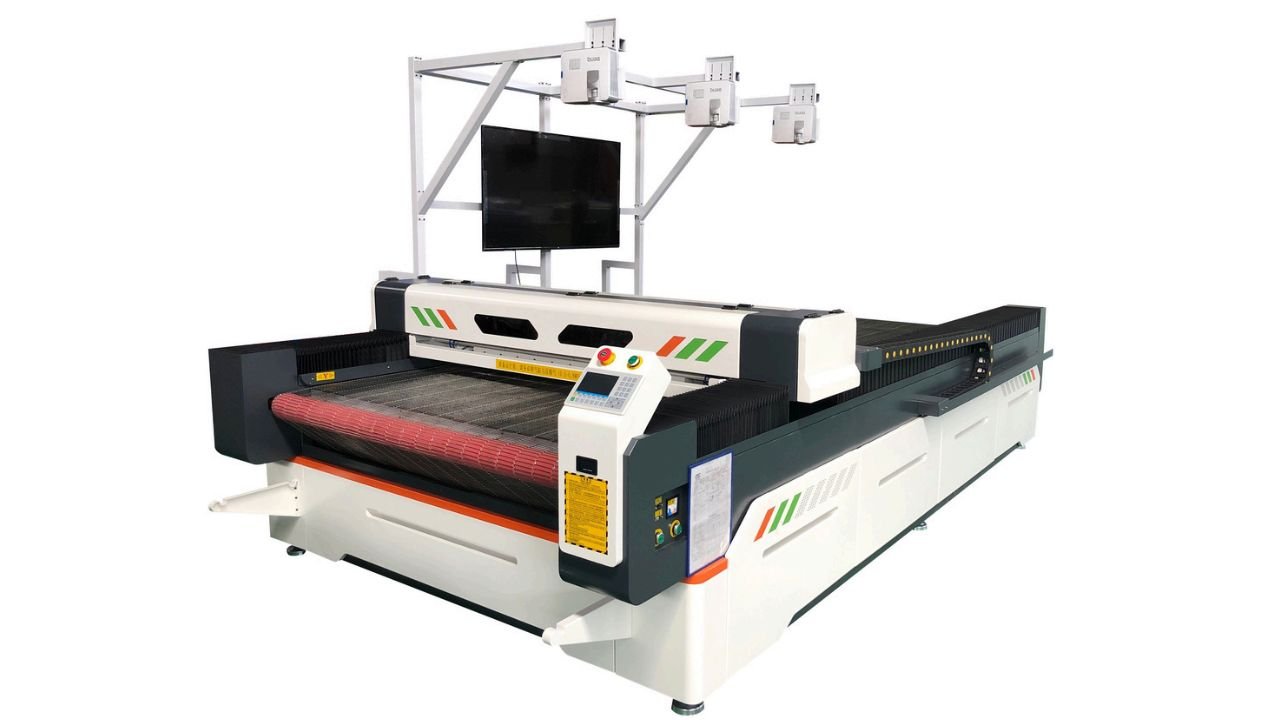
Many customers will swing between choosing a CO₂ laser cutter, a fiber laser cutter, or a diode laser cutter. And all three types have their own characteristics.
Laser Cutter Types: A Quick Comparison Table
| Comparison Dimension | CO₂ Laser Cutter | Fiber Laser Cutter | Diode Laser Cutter |
| Laser Wavelength | 10.6μm | 1.06μm | 450nm (Blue Light) |
| Materials Best Suited For | Non-metals and thin metals | Metals (especially highly reflective metals like stainless steel, aluminum, copper) | Organic materials (wood, leather, paper, dark acrylic) |
| Typical Applications | Advertising, packaging, apparel, furniture, automotive, aerospace | Metal fabrication, sheet metal manufacturing, automotive parts | Small crafts, personalized gifts |
| Electrical-to-Optical Efficiency | 5% – 10% | >50% | Moderate |
| Maintenance Frequency | High (requires regular replacement of laser tubes and mirrors) | Very low (solid-state design, nearly maintenance-free) | Low |
| Initial Investment | Medium | High | Low |
CO₂ Laser Cutter
The electric current through CO₂ and other gases in a sealed glass tube excites gas molecules to produce photons and form a laser beam. These types of laser cutters have a simple structure as well as a wide power-adjustable range.
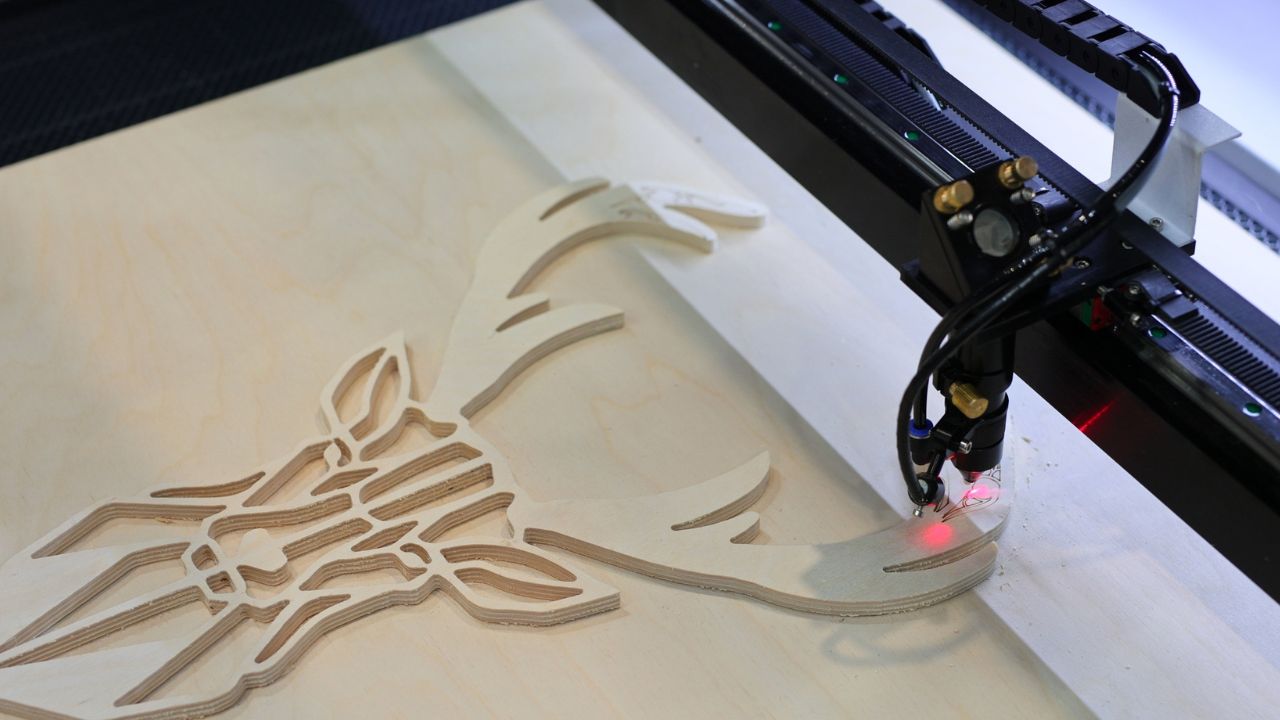
With low manufacturing cost, it is widely used in advertising signs, packaging boxes, fabric pieces, plate cutting in furniture workshops, automotive manufacturing, and so on. A CO₂ laser cutter is good at dealing with Non-metallic materials such as wood. You can also use Metal RF CO₂ to cut a thin metal plate.
Fiber Laser Cutter
The fiber laser cutter used optical fiber mixed with rare earth elements such as ytterbium as a gain medium. Its electrical-to-optical efficiency reaches over 50%, which is much higher than that of a CO₂ laser cutter. Compared with the CO₂ laser cutter, it has excellent performance on cutting metal material, especially high reflectivity materials such as stainless steel and aluminum. So it means you can use it in metal fabrication and sheet metal manufacturing. Some automotive parts also use it to cut body panels or engine mounts, etc.
Diode Laser Cutter
The diode laser cutter product, as the name suggests, emits lasers based on a semiconductor diode, which has the lowest cost, which is good news for you, but notice that its power is also the lowest. For some small crafts, personalized gifts, and other lightweight products, it is suitable. Now it is gradually used in the education market and in some wood and leather processing.
Key Factors to Choose the Best Laser Cutter
Material Compatibility
What materials do you want to cut? Different laser types and power configurations have different effects on material cutting. The following is the recommended selection of Maiton equipment for different materials:
| Material | Recommended Machine |
| Acrylic | CO₂ Laser |
| MDF | CO₂ Laser |
| Wood | CO₂ Laser / CNC Router |
| Stainless Steel | Fiber Laser / CO₂ Metal Laser |
| Aluminum | Fiber Laser |
| Foam | Oscillating Knife |
| Fabric | CO₂ Laser / Digital Knife Cutter |
| Leather | CO₂ Laser / Digital Knife Cutter |
| Paper / Cardboard | CO₂ Laser |
| Stone | CO₂ Laser (for engraving) |
| Carbon Steel | Fiber Laser / CO₂ Metal Laser |
To say it simply, if your material’s main focus is on non-metals such as acrylic, wood, or fabric, the CO₂ Laser cutter is your preferred choice. The fiber laser cutter is suitable for processing. Fiber lasers are suitable for both thin(0.5mm, 1mm, 2mm) and thick(>5mm) metal sheets. If you intend to process roll fabric or leather, a CO₂ laser cutting machine or a digital knife cutting machine with an automatic feeding function suits you better.
Laser Power
The cutting material is thicker and harder, so the power you need to choose is bigger because laser power directly determines the cutting capacity and production efficiency.
| Power Range | Max Cutting Thickness Reference |
| 80W – 150W | Acrylic 10-15mm, Wood 5-8mm |
| 150W – 300W | Acrylic 20-25mm, Wood 10-15mm, Thin metal sheets |
| 300W – 600W | Acrylic 30mm+, Wood 20mm+, Metal 3-5mm |
When the power is too high or the speed is too slow, the edge of the cutting will have burn marks. If you look at a black edge in wood or a flame-polished edge on acrylic, that may be the result of “Burning edge”. When cutting thermoplastic materials, the edge may melt and have burrs that need a second polish; this is called the melting edge.
In actual production, we advise you to choose a power reserving 20%-30% margins based on the thickness of the most commonly processed materials to avoid unnecessary energy consumption.
Cutting Speed and Accuracy
Speed determines your daily throughput, while accuracy determines your yield rate. Both of them are necessary.
The higher cutting speed reduces processing cost per unit. But on the other side, too high speed may cause rough cutting edges, and the heat-affected zone may expand. Products with high process accuracy mean less waste. A high-accuracy cut presents a smooth and vertical edge, which reduces the extra grinding process.
If you intend to use cut precision components such as electronic components or medical devices, accuracy is the core of a laser cutter.
So if your products are mainly produced in batches, you can prefer to speed up. If it is mainly customized precision machining, pay more attention to accuracy.
Software and Ease of Use
You need to confirm whether the laser cutter supports your familiar file format. For example, MC devices support PLT、DXF、AI、DST, and many other file formats, and are compatible with mainstream third-party design software, which means you can continue using familiar design tools such as Adobe Illustrator, CorelDRAW, etc.
Software usability is connected with your post-training time. The lower the operating threshold, the shorter your training staff’s time.
Intelligent typesetting software, such as MC’s auto-composing software, can optimize material layout automatically, which raises the material utilization rate to over 90%.
Machine Stability
A laser cutter with Structural instability, even if cut high-quality components in optimal condition, as time goes by, its accuracy will degrade quickly, and you will need to face frequent calibration, debugging, and repair.
So when inspecting equipment, you should notice the machine’s weight, guide rail brand, and drive system configuration. The heavy welding machine frame brings stability under high-speed operation. Though the initial investment may be a little high, if you want to use 5-10 years, this investment is worth doing.
How to Choose the Right Laser Cutter for Your Business
Small Workshop/Sign-Making Business
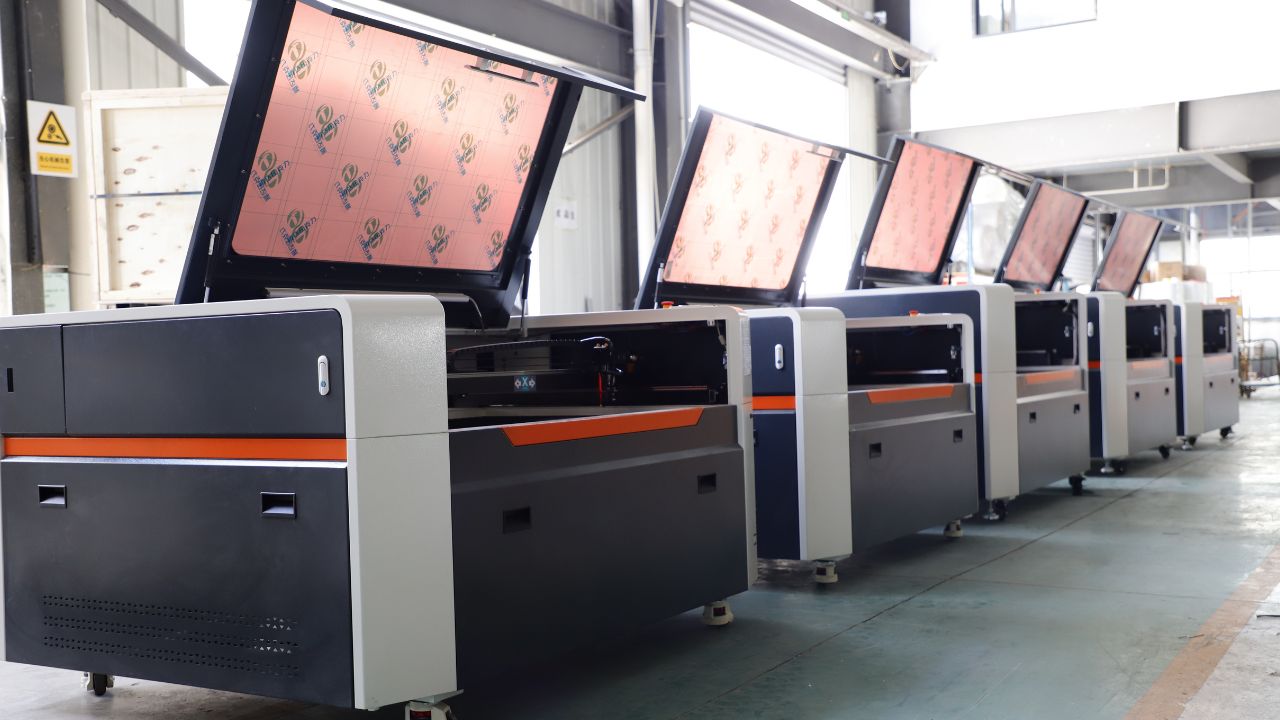
For businesses in the start-up stage and order volume is not big, then we advise a small to mid-size CO₂ laser cutter for you to process acrylic, wood, and MDF. Recommended Configuration includes MC-9060, MC-1390, and MC-1610 models with blade worktable or honey worktable. Laser Power is between 80W and 180W. These machines have a moderate price and footprint, which makes them easy for your staff to use.
Notice reserved a part of the exhaust system to ensure safety in the work environment.
Growing Manufacturing Business / Woodworking Factory
We advise a mid-to-large CO₂ laser cutter for your business, such as the models MC-1325、MC-1530、MC-1630. The laser power ranges from 150W to 600W. You can choose to equip an auto-feeding system or a metal laser cutting head to be more suitable for long-term continuous production.
With a higher power and wider workbench area, the processing volume per batch has increased significantly. Also, they can process stainless steel, carbon steel, and other metal materials.
Industrial Manufacturer / High-Volume Production Factory
These types of businesses usually need a 24/7 continuous production. So, buying laser machines with an auto-feeding worktable and 2, 4, or 6 heads multi-laser head configurations is necessary. we advise MC-1630、MC-1830、MC-2030 model for you. You can choose laser power from 150W to 600W based on specific material thickness.
Among our previous large clients, under the large-scale production scenarios, downtime is the most direct loss. So we recommend you choose brands with ample spare parts supply and fast after-sales service response first.
Distributor / Equipment Agent
I think long-term reliability is your most focused point. Consideration of spare parts availability, warranty coverage, and training support, please. And when you are choosing factories, we advise you to visit the factory offline.
What does MC offer distributors? We can give you strict quality control and a professional after-sales team support.
Once a distributor’s customers tell us that by introducing our machines, their business expands rapidly because the near-zero failure rate improves their customer satisfaction. “Maintenance is also easy,” he says. So, no need to say more, MC is your premium choice.
FAQ
How Much Does A Laser Cutter Cost?
Industry reference data shows that an 80W – 150W CO₂ laser cutter’s price ranges from $3,000 to $8,000, while a 150W – 300W is $8,000 to $20,000. A 300W – 600W machine is $20,000 – $40,000 +. All these prices are a reference range because specific prices are also affected by table size, level of automation, and so on.
How Long Does A Laser Cutter Typically Last?
A well-maintained laser cutter’s lifespan is ordinarily 5 to 10 years. But the CO₂ laser tube is a consumable product whose lifespan is thousands of hours, which needs to be changed regularly. Fiber lasers can achieve 50,000+ hours.
Are Laser Cutters Safe?
If you obey standard operating procedures, it is safe. Lasers belong to high-energy equipment and are able to burn skin and permanently damage eyesight. Please ensure wearing laser safety goggles and that the equipment is equipped with an enclosure as well as an exhaust system.
How Much Training Is Required To Operate A Laser Cutter?
Staff who have CNC equipment operation experience train about 1-3 days, while the zero-experience operator is trained for about 1-2 weeks. MC equipped with an intelligent control system can reduce train periods.
What Maintenance Does A Laser Cutter Require?
You need to check cleaning lenses and nozzles every day and change the cooling water, cleaning the workbench every 1-6 months. Every half a year, I have a lubrication system maintenance and filter replacement.
Can A Laser Cutter Be Customized For Specific Production Needs?
Of course, MC provides customized service. Based on your request, you can customize worktable size, laser power, and laser head quantity, etc. Just tell us your custom requirement, and we will try our best to satisfy it.
Final Thoughts
MC works on CO₂ laser cutters and provides over 80 models covering product needs from small workshops to industrial production lines. Power options range from 80W to 600W. If you have any purchase needs, welcome to contact us!