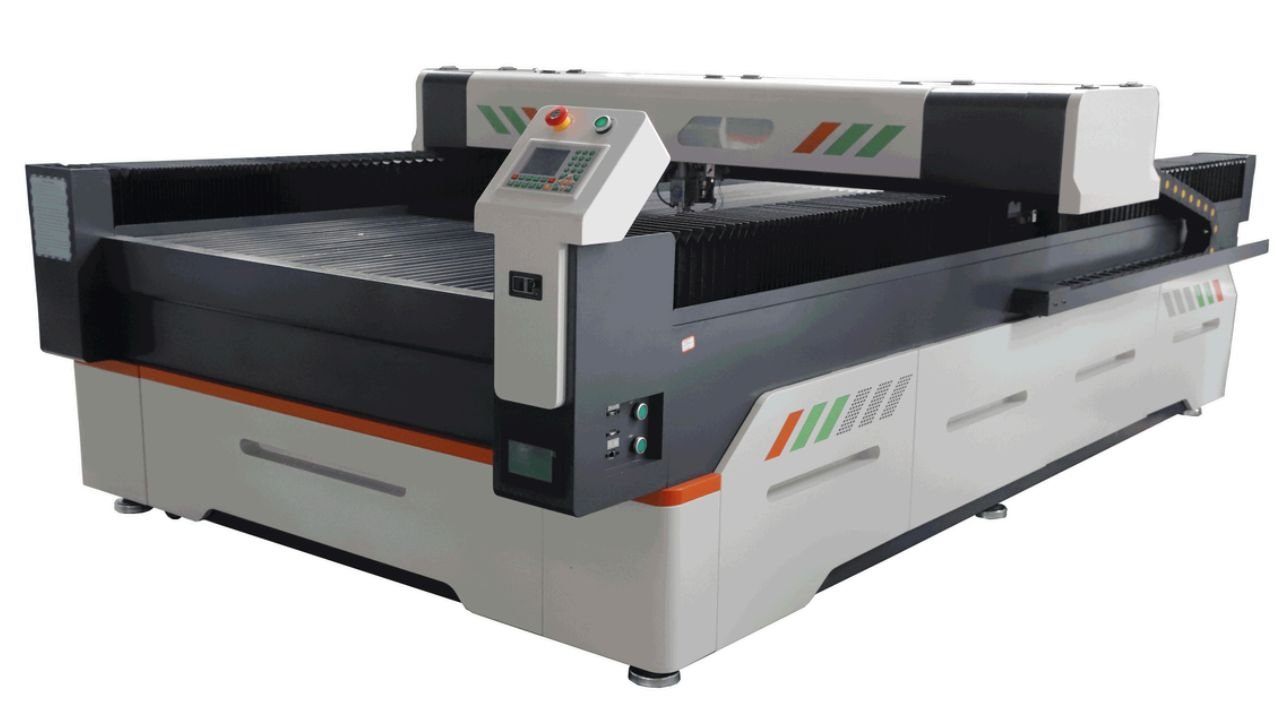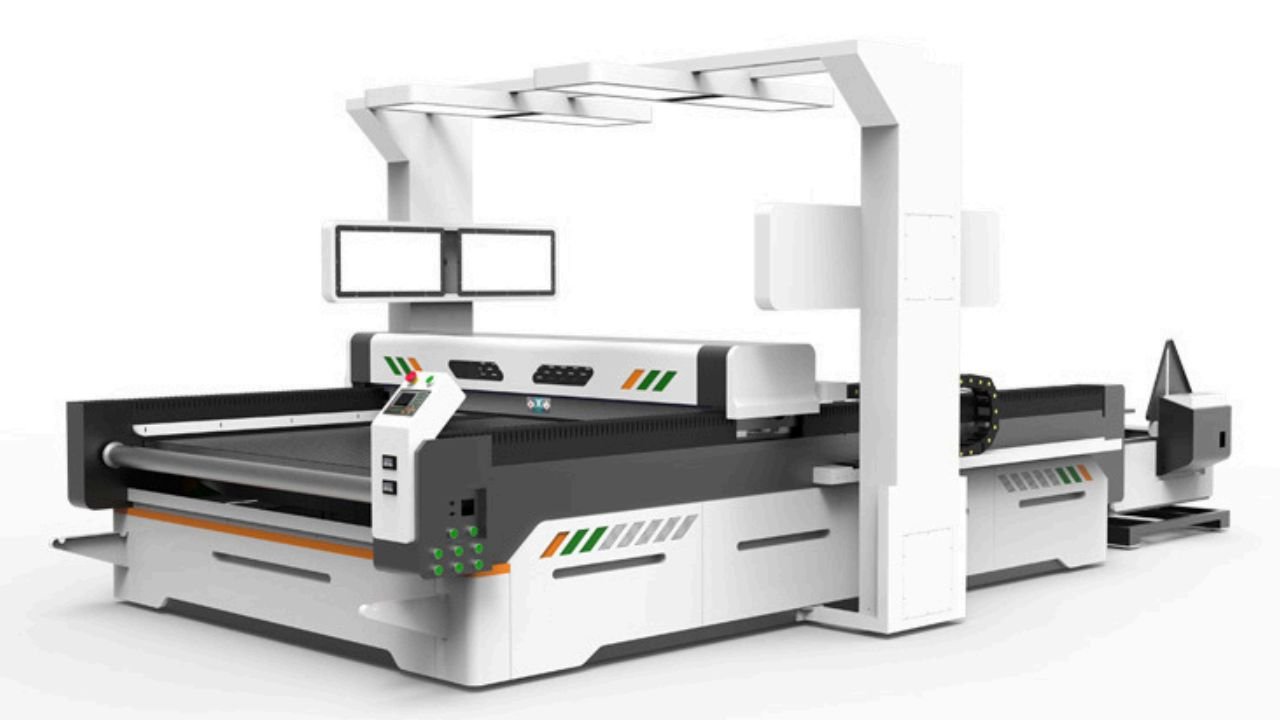
For woodworking companies and industrial manufacturers, CO₂ laser machines are the ideal choice for wood processing. Many buyers feel confused about the specific specifications when choosing a woodworking laser cutter. This guide will systematically outline the key considerations for you to select a wood laser cutting machine.
Types of CO₂ Laser Cutting Machines for Wood
Since wood is highly flammable, CNC woodworking laser cutters use CO₂ as a carrier gas. These are known as CO₂ laser cutting machines. Different woodworking projects have different equipment requirements, which is why CO₂ laser cutters come in a variety of types. Understanding the common types of CO₂ laser cutters can help you choose the right one for your needs.
Standard CO₂ Laser Machines
Standard CO₂ laser cutting machines are the most common choice for woodworking projects. They are usually compact, affordable, and easy to operate, making them ideal for small workshops and businesses new to laser processing. These machines can cut and engrave materials such as plywood, medium-density fiberboard, bamboo, and other wood products with high efficiency.
They are best for:
- Wooden crafts
- Customized gifts
- Small-batch production
- Sign making
- Model making
Large-Format CO₂ Laser Machines
Large-format CO₂ laser cutting machines are specifically designed for processing extra-large wooden boards and sheets. With a larger working area and a higher-power laser source, they can help you handle large-scale cutting tasks more efficiently while reducing the need to reposition the material.
They are best for:
- Furniture components
- Decorative wall panels
- Large wooden signs
- Architectural and construction materials
Double-Head CO₂ Laser Machines
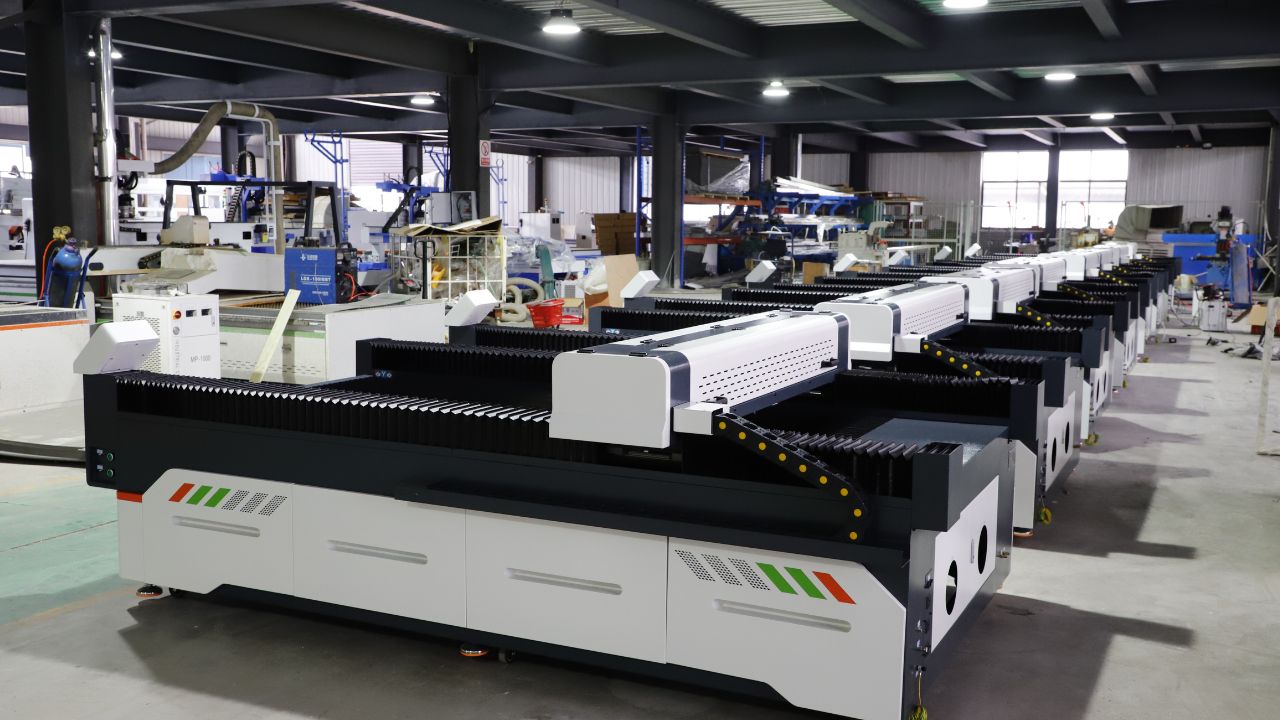
Double-head CO₂ laser cutting machines are designed with two laser heads that operate simultaneously. This configuration can significantly improve your production efficiency. If your business require continuous, high-power laser source, you may want to consider this machine.
They are best for:
- Mass production of wooden crafts
- Promotional products
- Gift manufacturing
- Workshops with high daily output requirements
Hybrid CO₂ Laser Machines
Hybrid CO₂ laser cutting machines are specifically designed for businesses that process non-metallic and thin metallic materials. In addition to cutting and engraving wood, acrylic, and other non-metallic materials, they can also cut certain types of thin metal sheets. In other words, if your operations also involve cutting some metallic materials, this machine would be an excellent choice.
They are best for:
- Multi-material fabrication shops
- Signage manufacturers
- Custom product workshops
- Businesses requiring both wood and thin metal processing
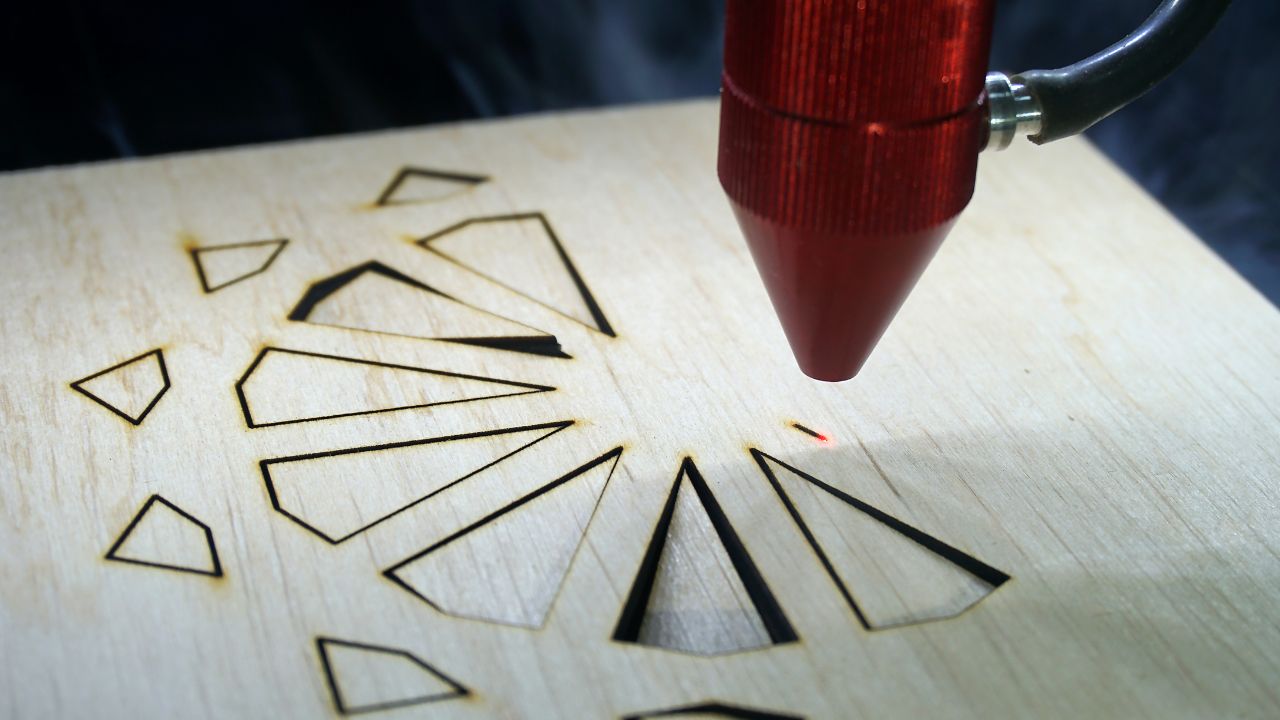
Tips for Selecting CO₂ Laser Cutting Machines
Understanding the different types of CO₂ laser cutters is just the first step in the purchasing process. To find the equipment that truly suits your business, you’ll also need to consider factors such as power, working area, production capacity requirements, and other key specifications. Below, we’ll outline the key points to consider when making your selection from multiple perspectives.
Wood Processing Requirements
Before selecting a CO₂ laser cutting machine, you first need to determine the primary types of wood you will be processing and their thicknesses. Different types of wood vary in their laser absorption, cutting difficulty, and required power, so this factor will directly influence your subsequent choice of equipment configuration.
If you mainly process products such as wooden crafts, models, and decorative items, you will typically work with thinner materials such as plywood, basswood, or bamboo. These materials are relatively easy to cut and do not require particularly high equipment power; a standard CO₂ laser cutter is often sufficient to meet production needs.
If you frequently process Medium-Density Fiberboard (MDF) or solid wood panels, we recommend choosing a machine with greater cutting capacity. For thicker wood, a higher-power CO₂ laser cutter typically delivers more consistent cutting results and reduces issues such as incomplete cuts or scorched edges.
Appropriate Laser Power
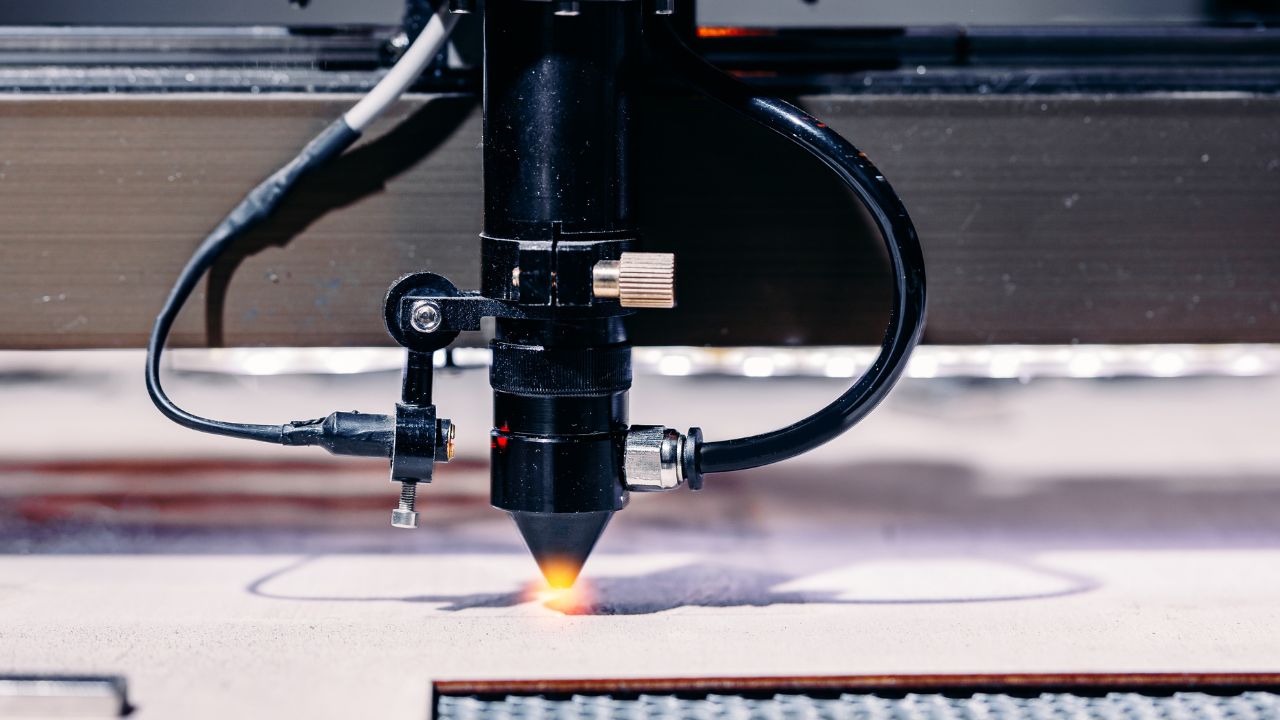
Laser power is the most critical factor to consider. Laser power mainly determines the cutting thickness, engraving depth, and processing speed. In woodworking, CO₂ lasers usually operate at power levels ranging from 60 watts to 600 watts. If you choose the wrong power level, it can slow down processing or even damage the machine.
This brief overview is provided for reference.
| Thickness | Recommended Power |
| 1-3mm | 60-80W |
| 3-6mm | 80-100W |
| 6-12mm | 100-150W |
| 12mm+ | 150W+ |
Working Area
The working area determines the maximum material size the machine can process. Therefore, when purchasing a CO₂ laser cutter, you should select an appropriate working area based on the standard panel or board sizes you typically use. A working area that is too small may result in the need for repeated cutting and repositioning of the material, while a machine that is too large will increase procurement costs and take up more workshop space.
| Working Area | Recommended Applications |
| 1300 × 900 mm | Decorative panels, large-format signs, and mass production |
| 1300 × 2500 mm | Processing of furniture components, whole plywood sheets, and MDF panels |
| 1500 × 3000 mm and above | Large-scale industrial production and large-scale lumber processing |
Production Volume
When selecting a CO₂ laser cutting machine, production volume affects not only the machine’s efficiency but also your return on investment. Purchasing an over-specified machine may result in underutilized resources, while a machine with insufficient capacity may impact order fulfillment and business growth. Aside from purchasing standard machines for small batches and dual-head machines for large batches, what other options are worth considering?
If your order volume fluctuates significantly, or if you primarily undertake custom projects, the flexibility of your equipment may be more important than its maximum production capacity. Conversely, if you consistently produce the same types of wood products, such as wooden crafts and decorative items, you should prioritize equipment capable of consistent, stable operation to meet your daily production needs.
Air Assist and Exhaust Systems
When choosing a CO₂ laser cutting machine, many buyers focus on laser power and working area, but air assist and exhaust systems are just as important. These features have a direct impact on cutting quality, machine maintenance, and long-term performance.
Air assist helps produce cleaner cut edges and reduces scorching, making it especially valuable for products with high appearance requirements, such as wooden crafts, decorative items, and signs.
An efficient exhaust system is equally important for wood processing. It removes smoke and dust during operation, helping keep key components cleaner and reducing maintenance frequency. A cleaner working environment also supports more stable cutting performance during long production runs.
After-Sales Support and Operating Costs
Generally, operating CO₂ laser cutting machines helps ensure consistent cutting quality and extends the equipment’s service life. Routine maintenance typically includes cleaning mirrors, focusing lenses, and moving parts. These tasks can generally be performed by the operator. Routine cleaning and maintenance can generally be performed on your own, while complex repairs or part replacements require the assistance of a professional. Before purchasing equipment, we recommend that you confirm whether the supplier offers technical support, spare parts, and regular maintenance services. This not only reduces equipment downtime but also makes future servicing more convenient.
FAQs
How Thick of Wood Can a CO₂ Laser Cutting Machine Cut?
The maximum cutting thickness usually depends on the laser machine’s power and the material being cut. For example, a machine with a power range of 80 watts to 600 watts can cut wood with a thickness of 1 mm to 20 mm.
Can CO₂ Laser Cutting Machines Process Materials Other Than Wood?
Yes. In addition to wood, many CO₂ laser cutting machines can also work with materials such as acrylic and rubber. Hybrid laser cutters may also support certain thin metal materials.
What Software Is Commonly Used with CO₂ Laser Cutting Machines?
Many CO₂ laser cutters use Ruida or Trocen controllers, paired with software such as LightBurn or RDWorks. CAD and graphic design software are typically used for drawing design. Before purchasing, please confirm that the machine is compatible with the software you already use in your workflow.
Can a CO₂ Laser Cutting Machine Be Upgraded Later?
Some machines can be upgraded; a common upgrade is installing a higher-power laser tube. If you expect your business to grow, choosing a machine with upgrade options could be a good long-term investment.
How Long Does It Take to Learn to Operate a CO₂ Laser Cutting Machine?
Most modern CO₂ laser cutting machines are designed with user-friendly control systems. A half-day of training is enough to get you started with laser engraving and cutting. The laser machine’s control panel can be explained in 5 minutes. The mechanical setup can also be explained in a short amount of time. However, becoming proficient in operating the machine varies from person to person.
Final Thoughts
Once you have determined your production needs and required features, the next step is to find a reliable supplier—one that can provide professional, suitable machinery and long-term technical support. We invite you to contact us to compare equipment performance and after-sales service; we will help you make a more informed investment decision.