
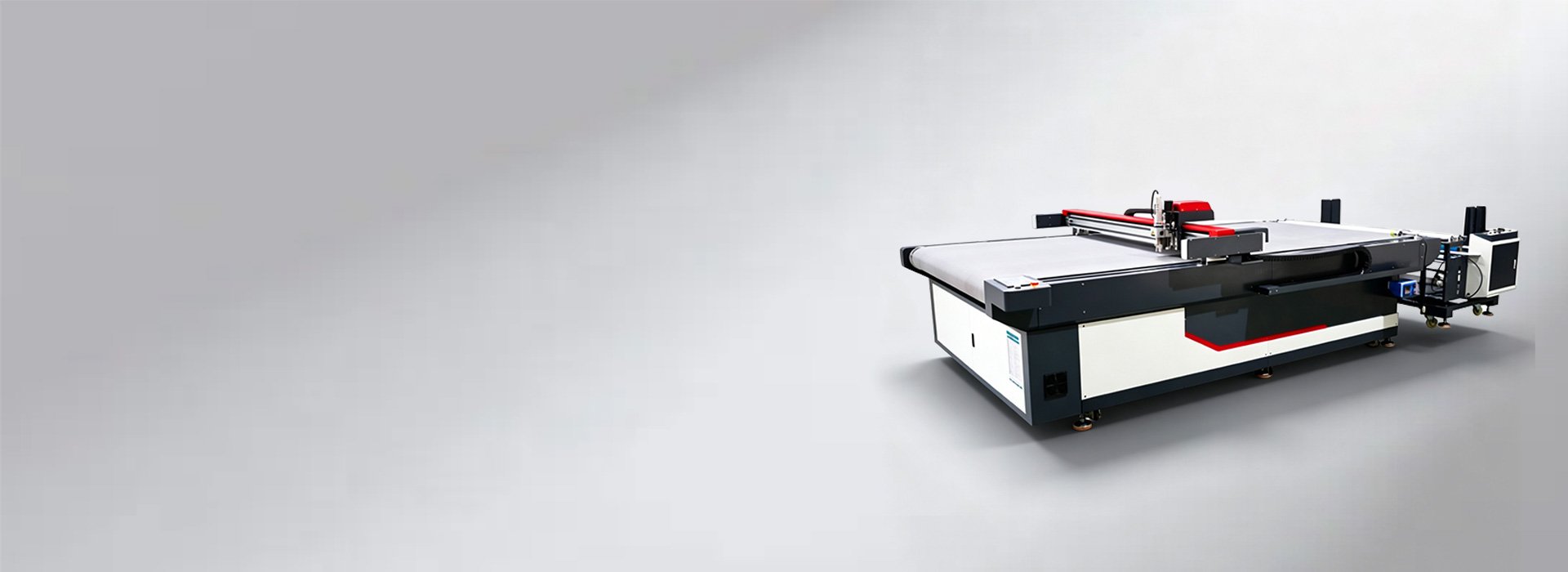
Your Reliable Digital Fabric Cutting Machine Supplier in China
Digital fabric cutting machines generate cutting paths using CAD/CAM software and use CNC systems to control cutting tools for high-precision(±0.1 mm), automated cutting of flexible materials.
Because of the CNC system and intelligent path control, our digital fabric cutting machines can replace traditional manual cutting, which can reduce human errors by up to 70% and improve product consistency.
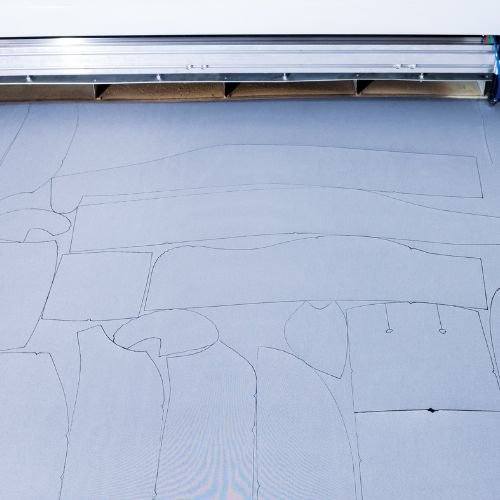
Moreover, with the Intelligent nesting software, MC digital fabric cutting machines can help your business maximize fabric utilization by up to 10%–15%.
As an experienced manufacturer of digital fabric cutting machines, MC integrates R&D with sales and aftercare. Every digital fabric cutting machine from us has received good feedback; our machines can provide your business with a cutting process that satisfies safety criteria.
Digital Fabric Cutting Machine Classified by Cutting Technology Type
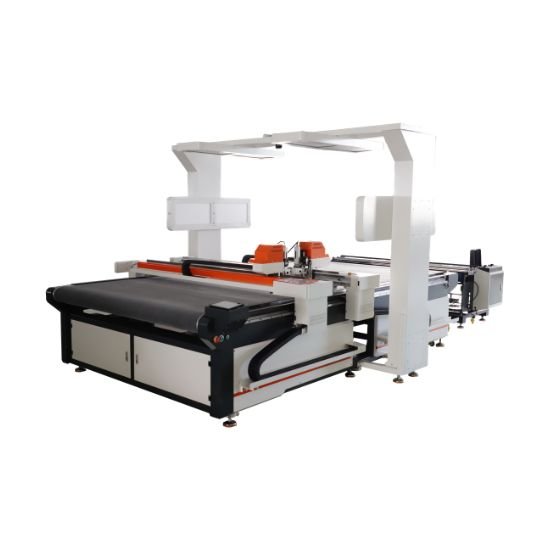
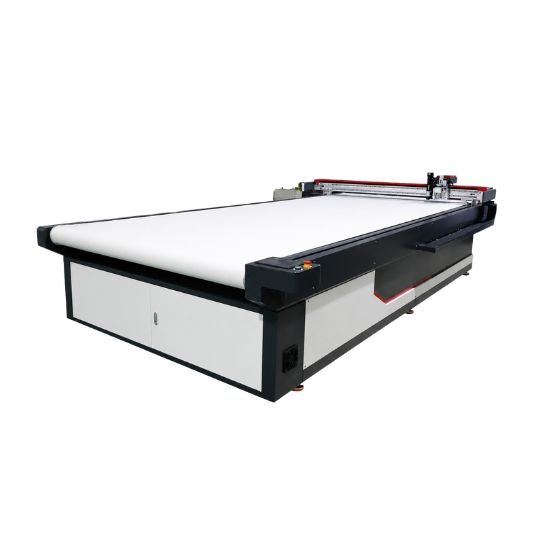
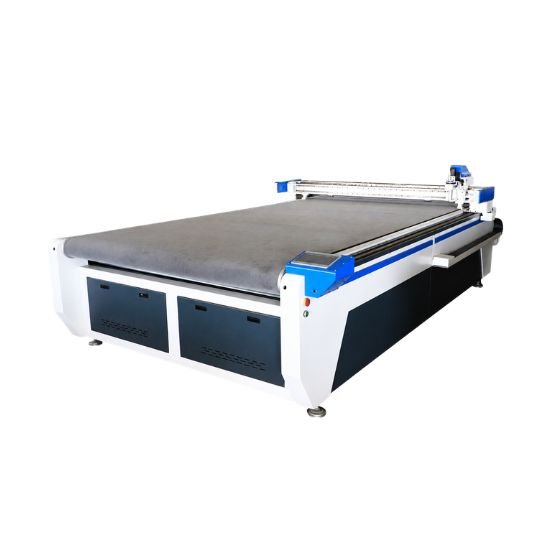
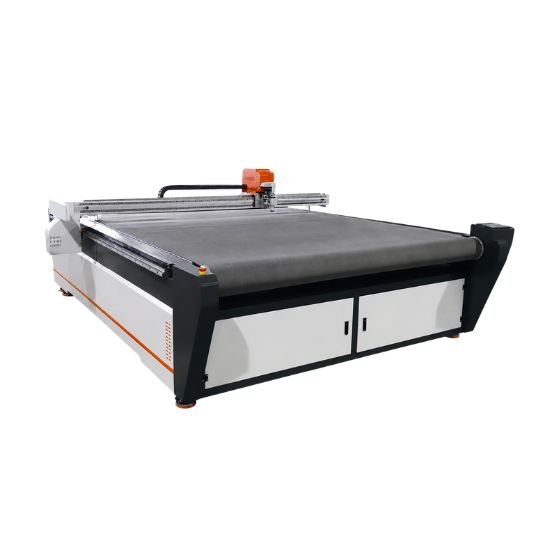
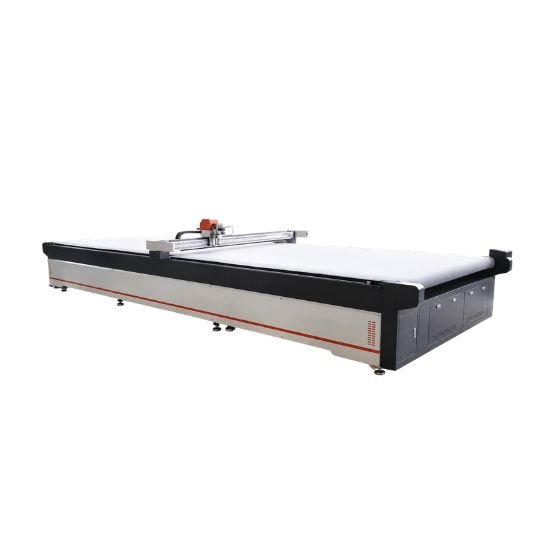
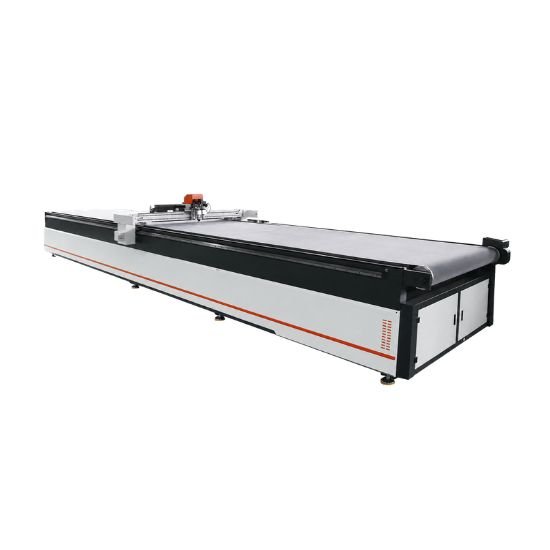
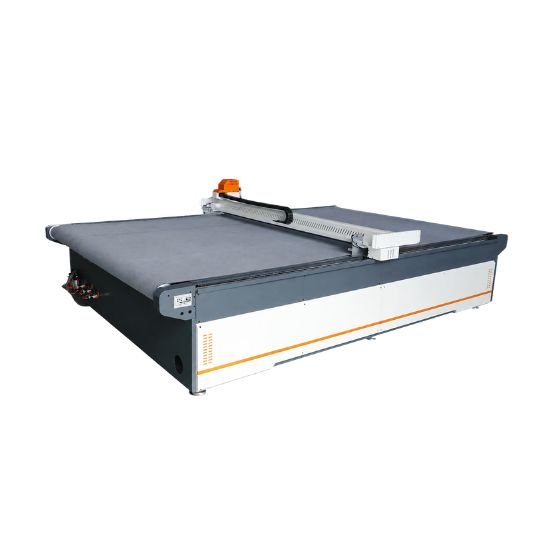
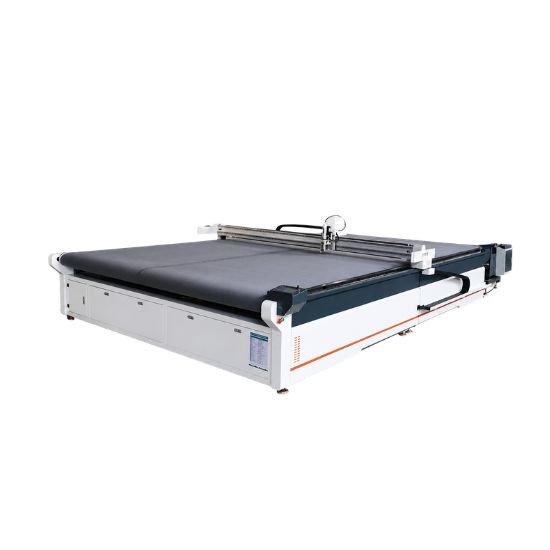
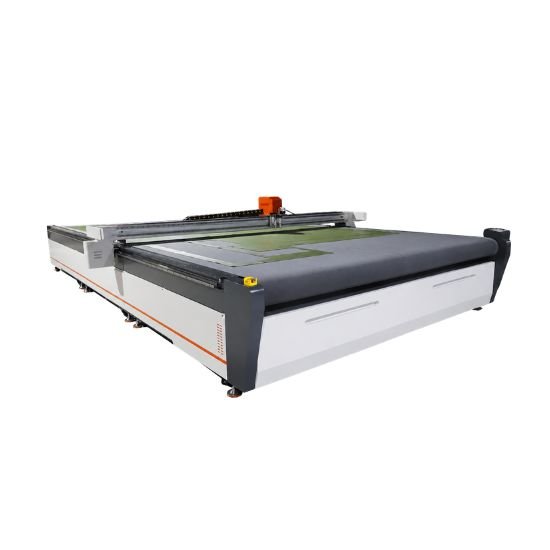
Features of the MC Digital Fabric Cutting Machine

Through CNC automated path control, high-speed tool systems, and continuous production processes, cutting speed and overall productivity are significantly improved.

By adopting CNC systems, all cutting paths are directly converted from CAD design files, eliminating the need for manual layout and errors.

By employing high-speed vibrating or rotating knives for continuous cutting, one operator can manage multiple devices simultaneously.

Integrates CNC systems, CAD/CAM software, and intelligent nesting technology; a fully digital workflow covers the entire process from design input to final cutting.
Intelligent Automatic Nesting Reduces Fabric Waste
The intelligent automatic nesting system can automatically calculate the optimal layout arrangements of different cut pieces through algorithms, which can achieve the most compact layout in a limited fabric space, thereby maximizing fabric utilization.
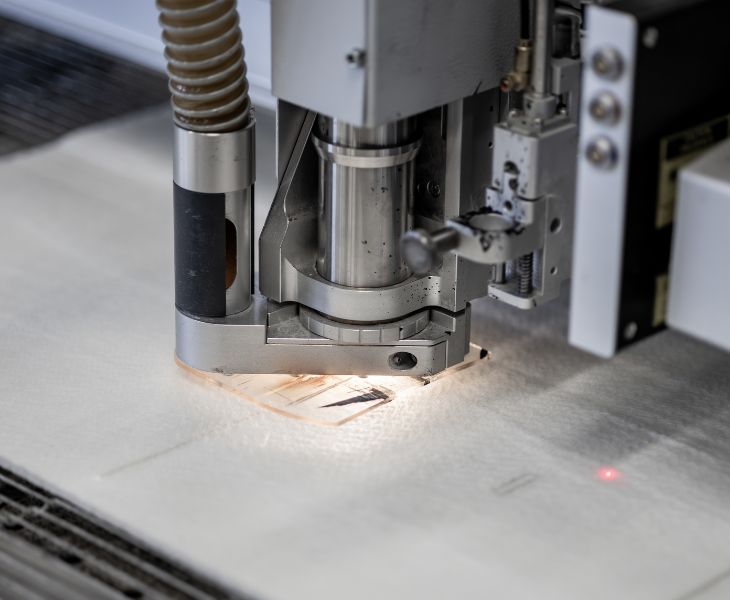
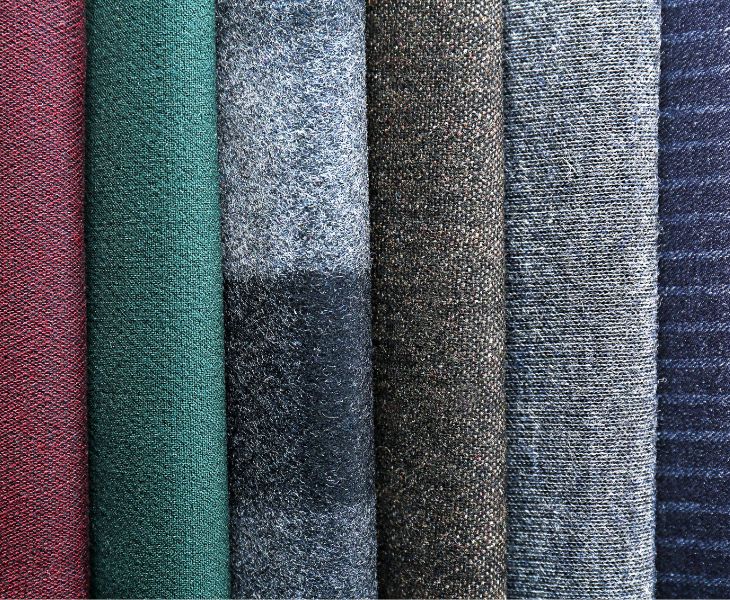
Wide Material Compatibility Serves Multiple Industries
Digital fabric cutting machines are equipped with multiple types of cutting tools, and can flexibly adjust cutting speed, pressure, and vibration according to the thickness, density, and fiber structure of different materials. Furthermore, CNC control systems can automatically optimize cutting paths and parameters for different materials, guaranteeing consistent cutting quality.
Applications of the Digital Fabric Cutting Machine
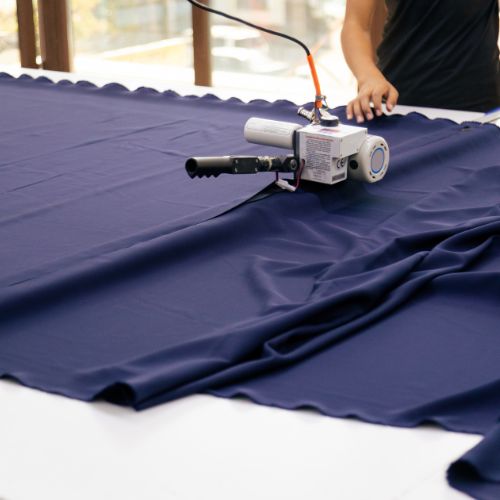
Running clothes, yoga wears, etc are usually made of elastic fabrics, and these clothes have high requirements for cutting accuracy and consistency. Digital fabric cutting machines can accurately cut complex 3D splicing structures, guaranteeing that each fabric cut piece keeps consistent dimensions.
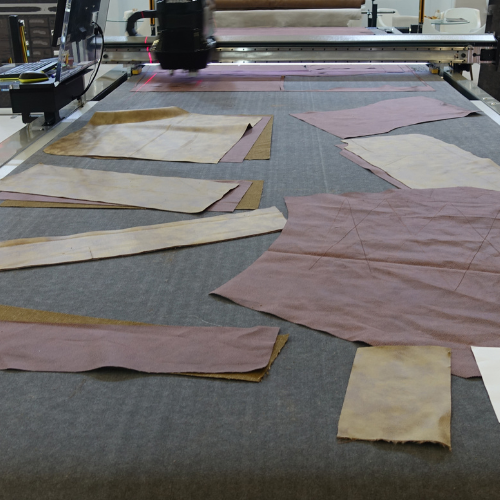
In the furniture industry, sofas, soft bed backrests, etc., extensively use soft materials, which have strict requirements for cutting accuracy and edge neatness. Digital fabric cutting machines can guarantee smooth curves at joints, while efficiently completing the cutting of complex shapes like curved backrests and irregular armrests.
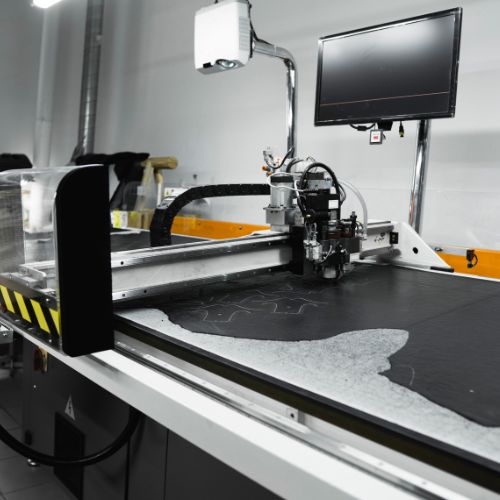
Wallets, belts, etc., are made of leather materials, but leather materials have high costs, uneven textures, and irregular shapes, so they require extremely high material utilization and edge quality. Our digital fabric cutting machines can strictly follow design templates to avoid dimensional deviations and subjective errors in manual cutting.
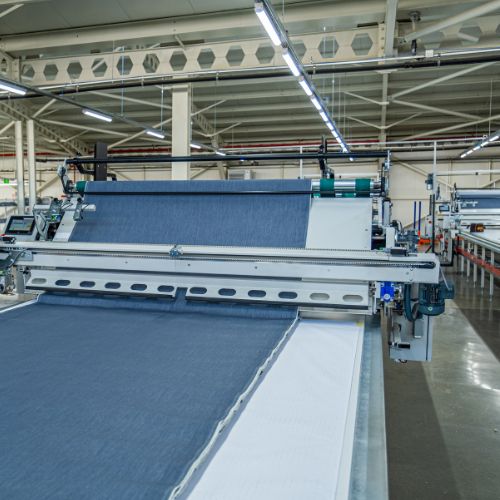
Conveyor belt materials, industrial gaskets, etc., usually have high strength, thickness, or multifunctional properties. Digital fabric cutting machines can cut a variety of functional textiles, and their powerful cutting tool systems can stably handle thick or multi-layer materials.
Medical protective products like protective clothing, surgical gowns, etc., involve medical textile materials, filter materials, etc., which must have uniform dimensions, neat edges, and no pollution. Digital fabric cutting machines strictly produce according to template patterns, avoiding errors and cross-contamination risks caused by manual operations.
- Specification
| Parameters | Specification |
| Cutting Thickness | 0.1 – 50 mm (depends on material) |
| Cutting Speed | 0 – 1200 mm/s |
| Positioning Accuracy | ±0.1 mm |
| Repeatability Accuracy | ±0.05 mm |
| Working Size | 1600*2500mm,1600*3500mm, 1800*3000mm,2000*3000mm,2500*3500mm,2000*6000mm,1300*8000mm, 2500*4000mm,2500*6000mm,3000*4000mm, 3200*6000mm |
| Power Supply | 220V / 380V, 50/60Hz |
| Cutting Materials | Textile, fabric, leather, PU/PVC, foam, felt, cardboard, nonwoven, composite materials (carbon fiber, fiberglass), technical textiles |
It mainly includes the following aspects:
- Regularly lubricate linear guides, slides, and transmission components.
- Inspect the sharpness of the cutting tools and replace them in a timely manner after they wear out.
- Inspect fans and pipelines.
- After each use, clean the cutting table, suction holes, and the surrounding area of the knife holder of cloth debris and dust.
The device configuration, automation level, cutting width, and brand all can affect the price of digital fabric cutting machines, with significant differences among different grades.
The useful life of a digital fabric cutting machine usually ranges from 8 to 15 years, depending on device quality, usage count, and maintenance requirements.
Material types, production strength, and usage time can impact the frequency of blade replacement for digital fabric cutting machines.
In addition, when cutting is not smooth, the edges are rough, or the accuracy decreases, the blade should be replaced in a timely manner.
A digital fabric cutting machine is typically equipped with multiple cutting tools to meet different materials and process requirements, including vibrating knives for fabrics, sponges, and composite materials, rotating knives suitable for knitted and elastic fabrics, and drag knives for thin materials.
Some devices can also be equipped with pneumatic cutting tools or electric blade heads to process thicker or high-strength materials.
Digital fabric cutting machine manufacturers should comply with criteria like CE, ISO 9001, ISO 14001, and EMC certifications to guarantee the safety, quality, steadiness, and the whole world market compliance of the device.
Machine hardware, cutting tools, software control, and material conditions can all affect the digital fabric cutting machine’s cutting precision.
High-quality mechanical parts, like servo motors and linear guides, guarantee stable and precise motion, while the state of the cutting blade directly affects edge quality and dimensional accuracy.
Digital cutting refers to the digitization and automation of the entire process from design to production by CAD/CAM software, automatic cutting, and various cutting technologies; CNC fabric cutting is digital cutting’s subdivision type, relying on CNC systems to achieve repeatable cutting of fabrics and industrial materials, with a greater emphasis on mechanical execution and stable processing effects.
What Is a Digital Fabric Cutting Machine?
A digital fabric cutting machine is an automated device that usually employs swinging knives, rotating blades, or other specialized cutting head tools. And it is equipped with software to achieve automatic nesting, pattern majorization, and material utilization improvement.
Digital Fabric Cutting Machine vs Traditional Manual Cutting Machine
What Is the Traditional Manual Cutting Machine?
The traditional manual cutting machine requires manual operation to complete fabric cutting, including semi-mechanical or manual cutting means like manual scissors, electric straight knives, and knife-carrying machines. In this mode, the operators need to first draw a sample or layout, and then cut the fabric piece by piece along the contour according to the template.
Main Differences
Overall, digital fabric cutting machines with high precision, high efficiency, and low material waste performances make them ideal for large-scale automated production. While the cutting quality and efficiency of traditional manual cutting machines are highly dependent on the experience of the operators, and typically ideal for small-scale production, sample production, and low-budget processing conditions.
The following is a comparison table for the two cutting methods, and you can quickly browse their differences.
| Performance | Digital Fabric Cutting | Traditional Manual Cutting |
| Cutting Precision | High precision (±0.1 mm) with CNC control | Depends on operator skill, low consistency |
| Cutting Speed | High-speed automated cutting | Slow, depends on manual labor |
| Labor Requirement | Low labor dependency, one operator can manage | High labor requirement, multiple workers needed |
| Material Waste | Intelligent nesting reduces fabric waste | Higher waste due to manual layout |
| Production Efficiency | Continuous and stable production | Limited by human fatigue and speed |
| Consistency | High repeatability and stable quality | Inconsistent results between operators |
| Cutting Complexity | Can cut complex patterns accurately | Difficult for complex or intricate shapes |
| Automation Level | Fully or semi-automatic system | Fully manual process |
| Material Compatibility | Wide range (fabric, leather, composite, etc.) | Limited by manual handling capability |
How to Choose the Right Digital Fabric Cutting Machine?
Choose the Right Cutting Technology
Different cutting technologies have evident differences in material compatibility, cutting accuracy, and application conditions, which can directly decide whether digital fabric cutting machines can satisfy your production needs.
For instance, oscillating knife cutting technology is ideal for fabrics, sponges, and composite materials, while rotary knife technology is more ideal for knitted and elastic fabrics.
Define Your Fabric Type and Cutting Difficulty
You should figure out what type of fabric needs to be cut and the difficulty of cutting this type of fabric, because different fabric types and cutting difficulties decide the choice of device in terms of tool types, power configurations, and automation levels.
Only by fitting the right device can you achieve high efficiency and low-loss production while guaranteeing cutting quality.
Evaluate Automation Level
Your company’s production efficiency, labor costs, operation complexity, and long-term operating costs can all be impacted by the automation level.
For this reason, by evaluating your company’s production capacity demand, labor costs, and manufacturing modes, you can choose a digital fabric cutting machine with the right automation levels to achieve the optimal equilibrium between productivity and quality while controlling investment costs.
Check Cutting Accuracy and Repeatability
Different digital fabric cutting machines have distinctions in mechanical structure accuracy, control system stability, and long-term operational error control capabilities, which can directly impact the uniformity of product quality.
In regard to industries that require dimensional consistency, choosing a high-precision and high-repeatability digital fabric cutting machine can guarantee stable product quality, reduce rework, and material waste.
Consider Software and Workflow Integration
Modern production has heavily relied on data-driven integrated processes, and the software compatibility and system integration capabilities of the digital fabric cutting machine can directly affect the whole production productivity and error rates.
If devices can seamlessly combine with mainstream CAD/CAM software, ERP systems, or automatic typesetting software, they can achieve full process digitization from design file import, automatic typesetting, to cutting execution.
Conversely, if the software compatibility is poor or the process is not coherent, it may lead to complex format conversion, data loss, or production delays.
Production Volume and Speed Requirements
You need to consider your company’s production volume and the speed requirements of fabrics to be cut. Only by matching digital fabric cutting machine performance with actual production demand can you avoid delivery delays caused by insufficient production capacity or investment waste caused by excessive device configuration.
Maintenance and Operating Cost
When selecting digital fabric cutting machines, you need to consider the purchase price and evaluate the costs of daily operation, power consumption, parts replacement, and maintenance services.
For instance, although a high-end fully automatic device requires a high initial investment, it usually has a more stable structure, a more efficient tool system, and more intelligent control software, which can reduce blade wear, material waste, and maintenance time.